

Nuclear negotiations between the United States and Iran are set to resume Tuesday in Switzerland, the same day the Muslim holy month of Ramadan begins, as defense officials warn of heightened tensions that could escalate into a broader regional conflict.
Security officials are preparing for what they describe as a potentially volatile period, while again cautioning about the growing burden on regular and reserve forces amid ongoing disputes over military conscription.
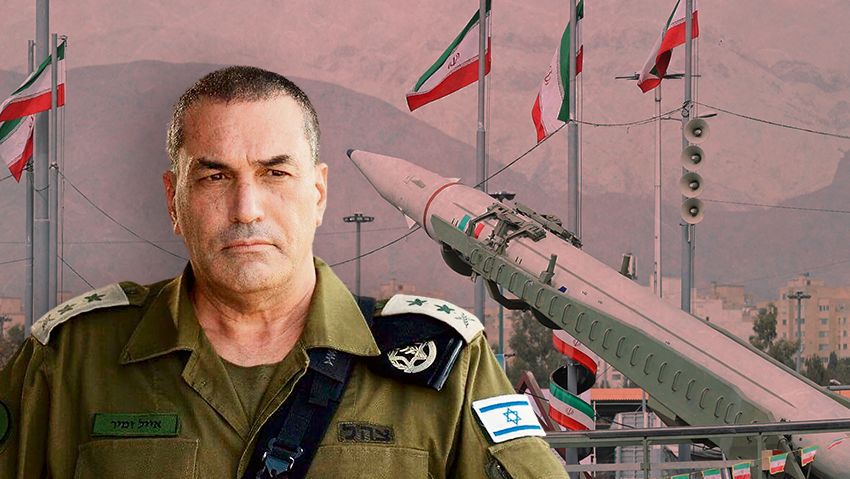
According to data presented in recent months by Brig. Gen. Shay Tayeb, head of the Planning Division in the IDF’s Personnel Directorate, the military is currently short at least 12,000 troops across units and roles, including about 7,500 combat soldiers. Cabinet Secretary Yossi Fuchs recently said that each additional regular battalion would reduce the need to deploy between four and seven reserve battalions.
In a recent meeting with newly enlisted ultra-Orthodox recruits, the head of the Personnel Directorate said the military must fill its ranks while enabling them to maintain their religious way of life. “The operational need requires us to fill the ranks,” he said.
Underscoring manpower challenges, the IDF announced last week the creation of a new multi-arena maneuver division, to be established from existing training bases within the Ground Forces. About 1,200 personnel, most of them reservists, have already joined its headquarters. The division is expected to conduct exercises over the coming year, including a large-scale drill. Its headquarters will operate from Julis Base near Ashkelon.
Security forces have also completed preparations for Ramadan. Unlike previous years, officials say terrorist activity in the West Bank has been steadily declining, and Central Command maintains control over refugee camps in the northern West Bank area. Ahead of Ramadan, special forces have carried out arrests, and police and the military have intensified efforts against terrorists and incitement, including identifying individuals viewed as potential sources of escalation.
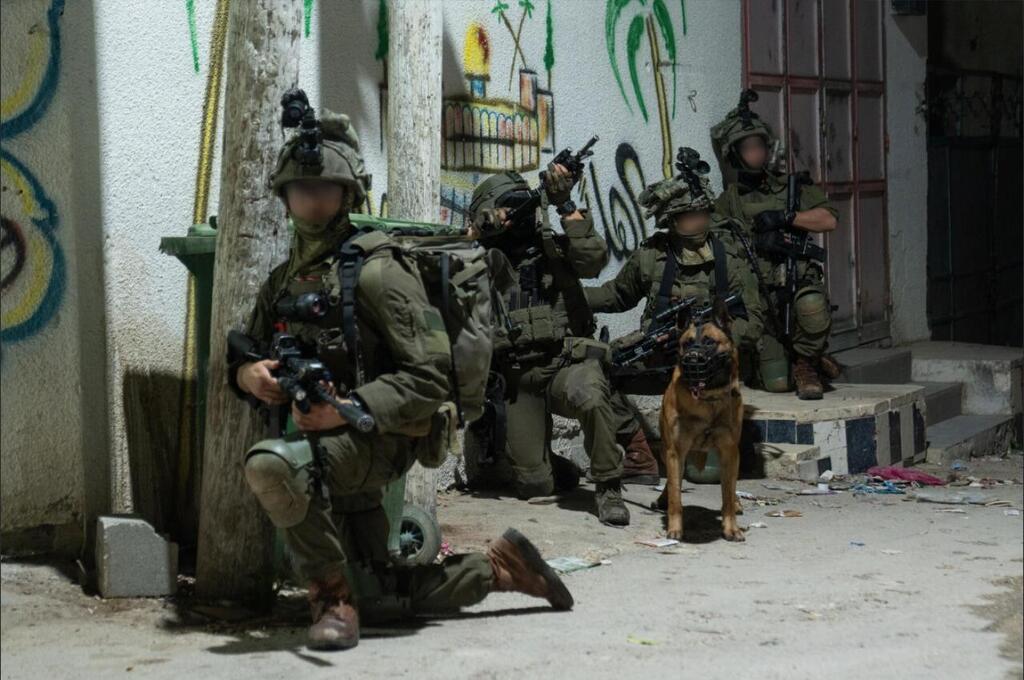
(Photo: IDF)
Thousands of Palestinians from the West Bank are expected to travel to pray at the Al-Aqsa Mosque compound in Jerusalem, prompting heightened security measures. The military is reinforcing the separation barrier and known breach points, while police are assisting in efforts to detain individuals residing in Israel without permits. Additional security is being deployed to agricultural outposts and roads in the West Bank amid concerns over possible terrorist attacks.
In recent weeks, the IDF spokesperson has issued regular statements emphasizing readiness along all borders, saying forces are prepared “in defense and offense” and are closely monitoring developments across the Middle East.
Meanwhile, CBS reported that President Donald Trump told Prime Minister Benjamin Netanyahu in December that he would support strikes on Iran’s ballistic missile program if a diplomatic agreement is not reached. The report said senior U.S. military and intelligence officials have since discussed how Washington could assist, including through aerial refueling and securing overflight permissions.
Diplomatic sources said Trump is weighing options ranging from rapid political change in Tehran to a prolonged military confrontation, which he is believed to prefer avoiding. According to the sources, if Iran is seen as delaying negotiations without seriousness, Washington could shift toward military action. Close coordination is ongoing between Washington and Jerusalem regarding possible scenarios, including U.S. requests for joint action, requests for Israel to refrain from involvement, or authorization for Israeli strikes on ballistic missile infrastructure.
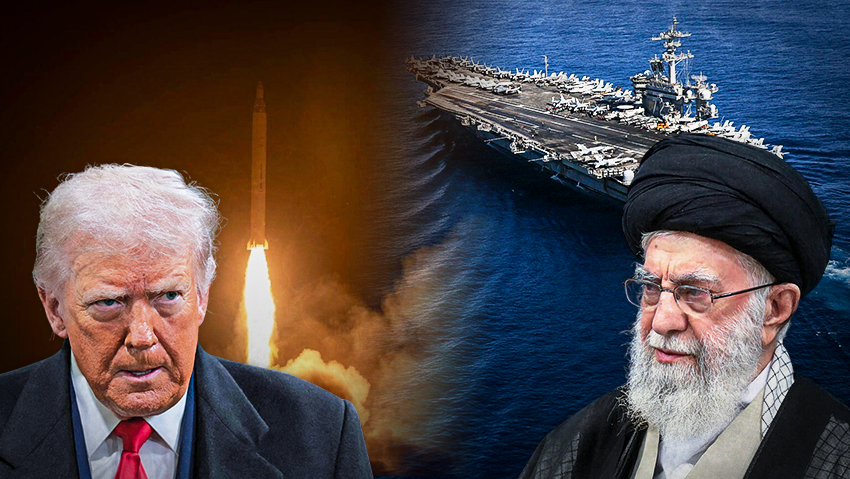
(Photo: Anna Moneymaker/AFP, KHAMENEI.IR/AFP)
Iran has signaled it is unwilling to discuss its missile program as part of the negotiations, viewing it as a core strategic asset. Defense assessments indicate Tehran is unlikely to relinquish that capability under U.S. pressure.
The missile threat remains central to security planning. During previous rounds of fighting, Israel faced hundreds of launches, intercepting most but sustaining damage, reinforcing concerns about attrition tactics aimed at exhausting air defense interceptors. Air defense units, composed of seven battalions operating across five layers, are on alert alongside U.S. forces and potentially other partners.
Pro-Iranian militias in Iraq, Hezbollah in Lebanon and the Houthi movement in Yemen have continued issuing threats in recent weeks, warning of consequences if Iran is attacked.