


Israel and Lebanon remained divided over the pace and scope of Israeli troop withdrawals during the fifth round of U.S.-mediated negotiations held at the State Department in Washington, Israeli officials said Wednesday.
The two sides discussed proposed pilot zones from which Israeli forces would withdraw and hand control to the Lebanese army, which would be expected to secure the areas and ensure they are free of Hezbollah fighters.
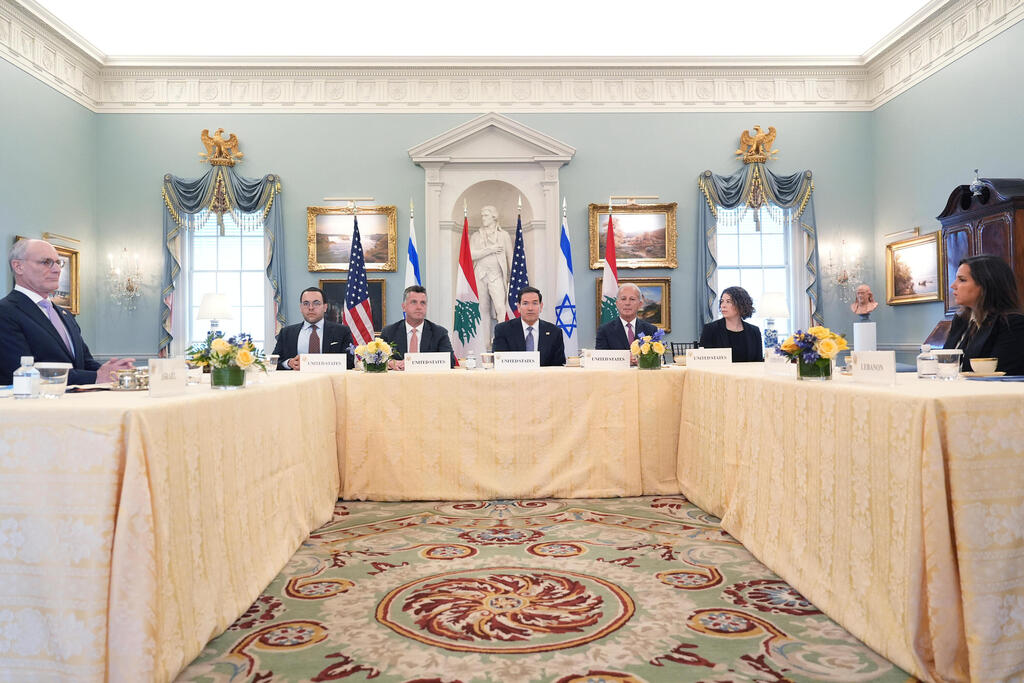
However, the talks were marked by sharp disagreements over how quickly withdrawals should proceed and where the first pilot zones should be established. Israel is preparing for limited initial withdrawals but opposes a complete pullout from southern Lebanon.
Maps were presented by both delegations, with each side proposing different pilot areas to begin the process. On the second day of the negotiating round, military officers from both countries also held talks at the Pentagon. Discussions are expected to continue Thursday.
Hezbollah accused Israel later Wednesday of violating the ceasefire but stopped short of threatening retaliation. The Iran-backed group claimed Israeli forces had “deliberately” targeted Lebanese civilians inspecting their homes in the village of Kfar Roumman.
“This act constitutes a blatant violation of the ceasefire, to which we remain committed,” Hezbollah said in a statement. “We are monitoring these violations.”
Israeli officials expressed growing pessimism about the Lebanon negotiations, citing a provision included in the recent U.S.-Iran memorandum of understanding and U.S. plans to establish a mechanism aimed at preventing friction in Lebanon.
According to Israeli officials, the Trump administration has sent mixed signals. Vice President JD Vance and presidential advisers Jared Kushner and Steve Witkoff have pressed Israel to halt strikes throughout Lebanon, while Secretary of State Marco Rubio has been more receptive to Israel's security concerns.
A U.S. State Department official said Israel and Lebanon were negotiating as two sovereign states with the goal of achieving lasting peace and security.
“Our shared objective is to end the cycle of violence once and for all,” the official said. “The talks continue to advance toward a comprehensive arrangement for peace and security between the two countries.”
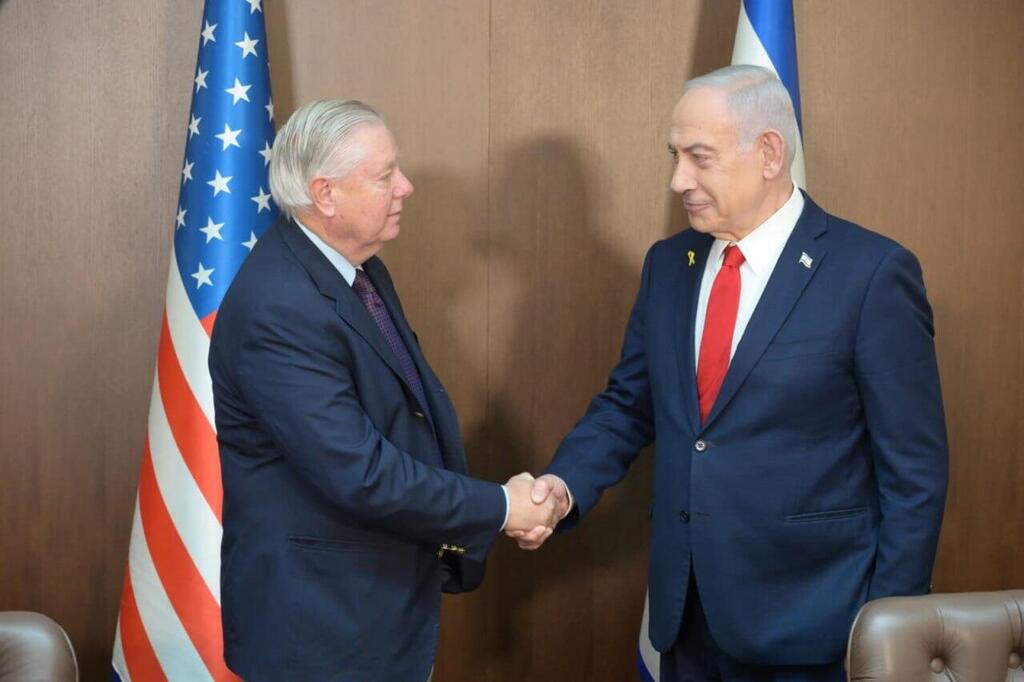
South Carolina Sen. Lindsey Graham and Prime Minister Benjamin Netanyahu
(Photo: GPO)
Republican South Carolina Sen. Lindsey Graham, a close ally of President Donald Trump, voiced skepticism about the negotiations in an interview with Haderech, a newspaper affiliated with the ultra-Orthodox Shas party.
“I don't think Israel should withdraw from Lebanon,” Graham said. “The chances of a real agreement between Israel and Lebanon are almost zero as long as Iran is negotiating on Hezbollah's behalf with the United States. I would take a very tough line toward any agreement that appears to limit freedom of action against Hezbollah.”
Graham said the Lebanese army was too weak to dismantle Hezbollah on its own. “They can't do it. They're very weak,” he said. “The way to dismantle Hezbollah begins with putting Iran in a box so it can no longer supply this murderous terrorist organization. If we don't insist on that, we will have made a serious mistake.”
He also argued that Iran should not determine the outcome of negotiations affecting Israel and Lebanon. “Lebanon is a democracy with its own government and political leadership. Israel is also a democracy, and neither is bound by negotiations between Iran and the United States,” Graham said. “The idea that Iran and the United States negotiate in Switzerland and that automatically binds Israel and Lebanon is deeply problematic, and I have been very clear about that.”