

“After you lose your son or daughter and return home, you realize you need a community to support you.”
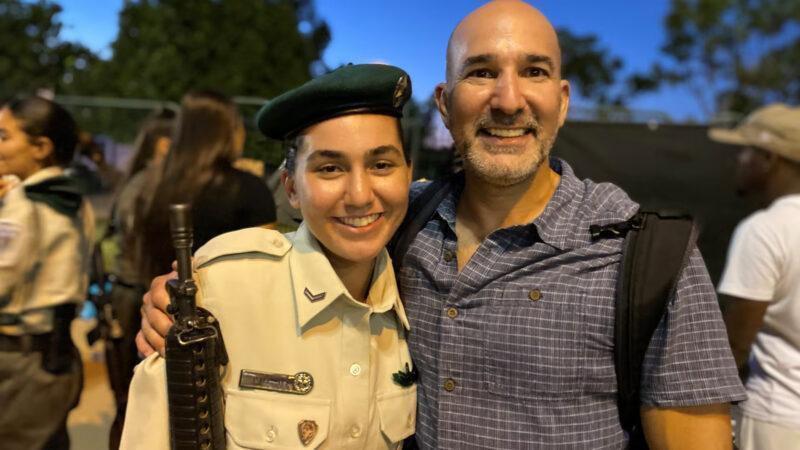
In one sentence, David Lubin, father of Border Police officer Rose Lubin, who was killed in a stabbing attack in Jerusalem in November 2023, distills the main insight he has gained since the tragedy — and the reason that led him to establish the first North American branch of Yad LaBanim, Israel’s organization for bereaved families.
The initiative is expected to officially launch in early fall, with the goal of providing an emotional and social support network for some 1,100 family members of fallen IDF soldiers and Israeli security personnel living in the United States.
Many of them lost their loved ones in the past three years. Since the outbreak of the Swords of Iron war alone, more than 50 foreign-born lone soldiers who served in the IDF without close family support in Israel have been killed.
Rose Lubin, who was just 20 when she died, was one of them. After leaving her family in Atlanta, she immigrated to Israel as a lone soldier and enlisted for operational service in the Border Police. On October 7, just weeks before the attack in which she was killed near Jerusalem’s Shalem police station, Rose was dispatched to the Gaza border area and fought in the defensive battles at Kibbutz Sa’ad.
Following his daughter’s death, Lubin, a businessman and owner of a commercial construction company, decided to enter local politics. He ran for a seat in the Georgia state Senate as a Democrat after the incumbent senator in his district, Sally Harrell, abstained on a bill that sought to enshrine the definition of antisemitism in state law. He lost to Harrell in the May 2024 primary.
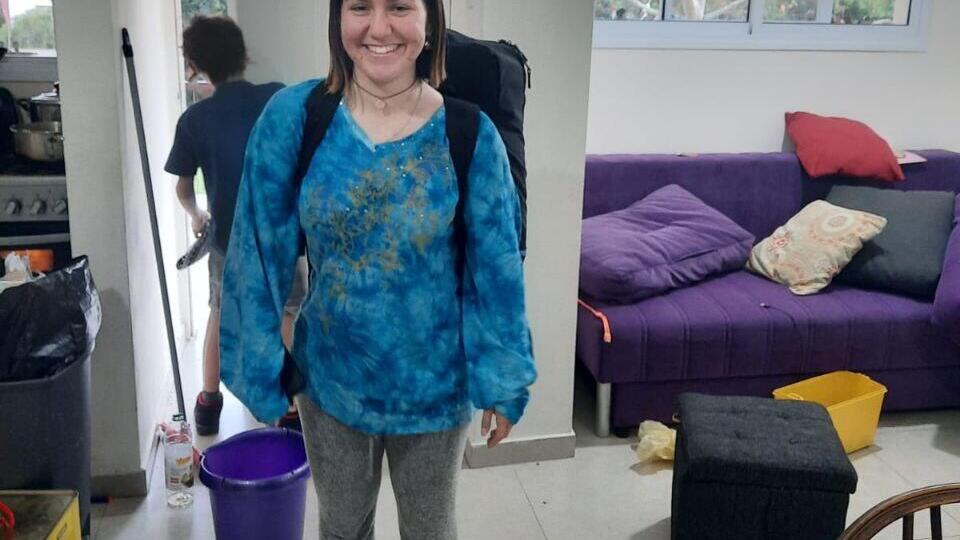
Rose Lubin pictured shortly before her enlistment in the Border Police
Even after the defeat, Lubin did not stop. This time, he chose to act in a different arena. The reality he encountered after returning from Israel following his daughter’s funeral made clear to him the enormous gap in support available to bereaved families overseas — and from that, the initiative was born.
“After Rose died, we realized there was a need for an organization like this here,” he told the Jewish-American news outlet eJewishPhilanthropy.
From local clubs to retreat gatherings
Yad LaBanim was founded by bereaved parents shortly after Israel’s War of Independence and has since accompanied bereaved families throughout their journey. The organization operates 65 branches across Israel, 11 of which were established in the past two years alone. All are run on a volunteer basis by bereaved parents, brothers and sisters.
The organization holds memorial events and therapeutic trips, awards scholarships to bereaved siblings, advances legislation and rights, and gives voice to bereaved families in the public sphere.
Because of the vast geographic spread of families across North America, however, the American model is expected to differ from the Israeli one. Instead of local clubs in city centers, the branch will be based on extended retreat gatherings and regional workshops.
Activities will be divided by region — the southeastern United States, the West Coast and the Northeast — to allow families living far from one another to meet and share the complex process of coping with loss.
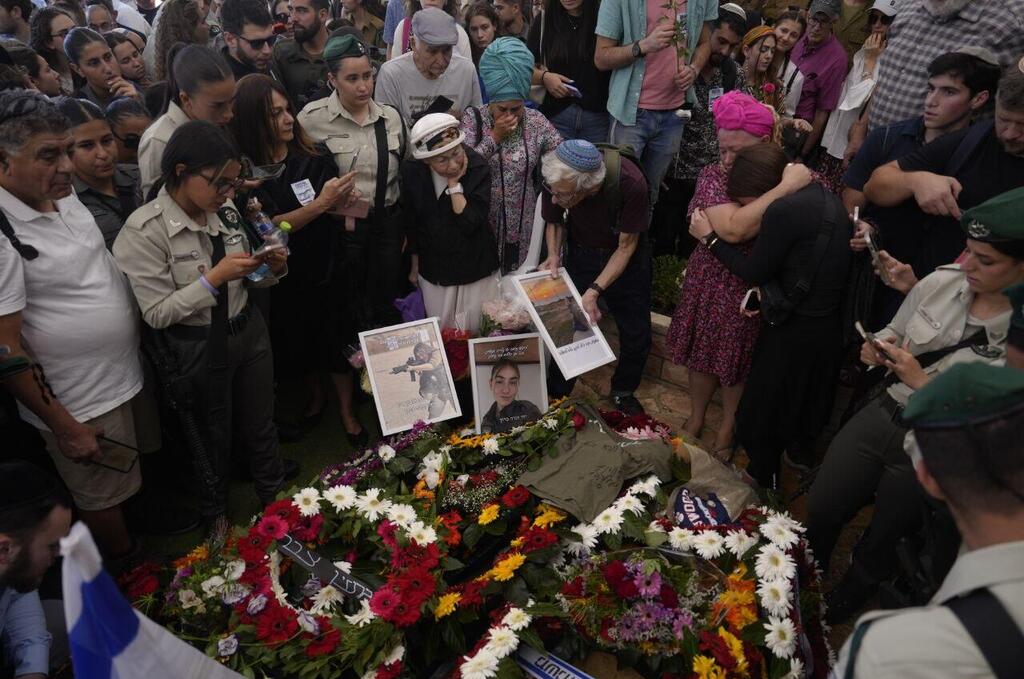
The funeral of Rose Lubin at Mount Herzl in Jerusalem
(Photo: Shilo Shalom)
Behind the initiative is professional and financial cooperation with a range of bodies: Israel’s Defense Ministry, Yad LaBanim’s leadership in Israel, Friends of the IDF in the United States and local philanthropic donors, who are providing backing and funding. The branch will also work in ongoing coordination with existing institutions in Jewish communities, including federations and community centers.
The idea itself, it turns out, is not new. According to Lubin, the parent organization had long expressed interest in establishing an active presence in North America, but the effort had been delayed due to the lack of local personnel to coordinate the logistical work with families.
“Now we are putting people on the ground, and people are excited about it,” he said, adding that the board of the American organization will convene formally this month.
Meanwhile, although the full launch will only take place in the fall, three bereaved families have already signed up for the program.
“It’s like starting an organization that you hope will shut down,” Lubin said.