


Lebanon’s government on Friday approved a plan allowing the army to begin centralizing weapons under state control, a move that could eventually lead to disarming Hezbollah, though the contents of the plan remain undisclosed, Information Minister Paul Morcos said.
The Iran-backed Shi’ite group and its allies opposed the plan. All five Shi’ite ministers walked out of the cabinet session before the plan was presented, highlighting potential domestic tensions over Hezbollah’s arsenal, which the group has consistently refused to relinquish. Hezbollah supporters also staged motorcycle protest convoys in Beirut’s Dahieh district, but reactions outside the protests suggested that the government session was viewed as favorable to the group.
Pro-Hezbollah protesters in Beirut


In Hezbollah-linked newspaper Al-Akhbar, the decision was described as a “solution to the conflict.” The report credited the army with saving the government from collapse by offering only general proposals for implementing the plan, preventing what it described as a “confrontation.”
Lebanese Parliament Speaker Nabih Berri, head of the Shi’ite Amal movement, welcomed the announcement in part because the plan did not include a timeline for implementation. Speaking to Saudi outlet Asharq Al-Awsat, Berri said the move preserved civil peace and added, “This is positive and I believe the toxic tensions are beginning to dissipate.”
Hezbollah did not issue an official statement on the decision, but senior official Mahmoud Qomati told Reuters the cabinet session “is an opportunity to return to wisdom and reason and prevent the state from drifting into the unknown.”
Hezbollah parliamentarian Ali Amar expressed a more candid view. He said the resistance’s weapons are “legitimate, constitutional and legal, especially against ongoing Israeli occupation and aggression.” Amar added that resistance provides the state, which has so far failed to stop aggression or liberate Lebanese lands and prisoners, with an opportunity. “We are willing to discuss national security strategy, but some submit to external dictates. There is a faction in government pushing for confrontation between the army and resistance and threatening civil peace,” he said.
Prime Minister Nawaf Salam insisted he had not reversed the government’s decision to centralize weapons under state control. He said the cabinet’s decisions were clear and non-negotiable. “The government welcomed the army’s plan to confiscate weapons across Lebanon,” he wrote on X. “We decided to request monthly progress reports from the army on implementation.”
Morcos said the army would implement the plan “according to available capabilities” and submit monthly reports to the government. He stressed that the program is military, not political, and that the army retains discretion in executing it based on operational conditions, including potential Israeli strikes.
The government has kept the plan’s details and implementation schedule confidential. “The government decided to maintain secrecy regarding the content of the army’s plan and discussions around it,” Morcos said at a press conference following the session.
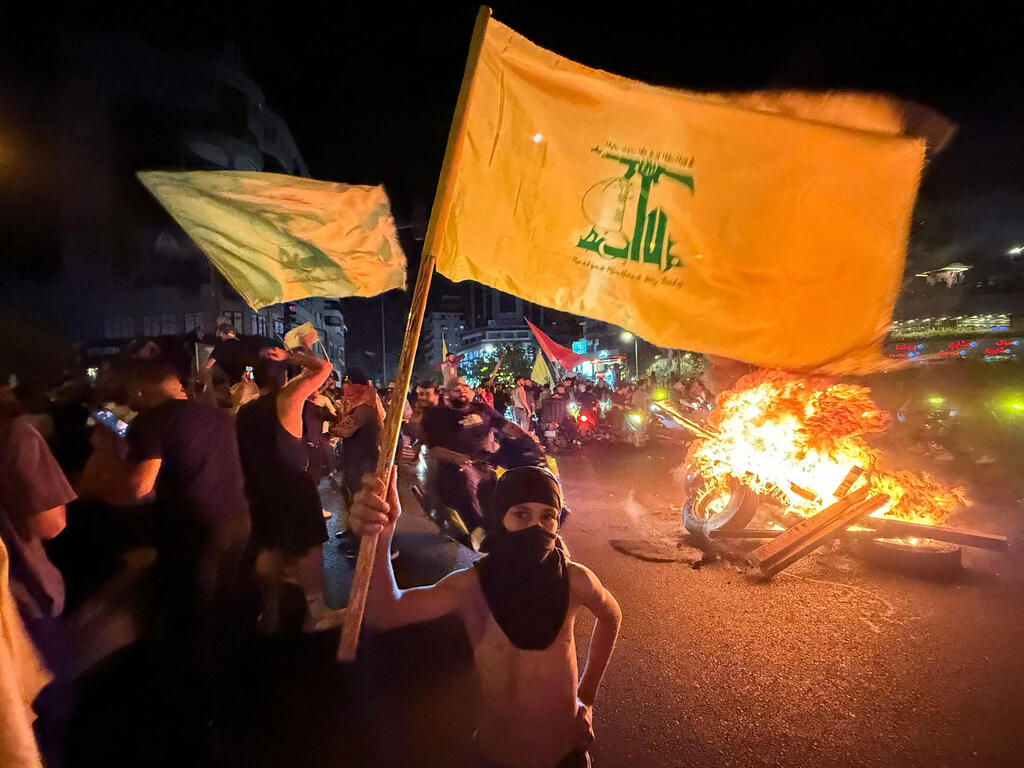
(Photo: Ibrahim AMRO / AFP)
Lebanese and regional media cited government sources saying the plan includes four to five geographic phases. The first step is disarmament south of the Litani River, followed by the Al-Awli area, then Beirut and the Bekaa Valley. According to Asharq Al-Awsat, the first phase is expected to last three months. The plan also calls for completing the disarmament of Palestinian refugee camps and prohibits the transfer of weapons between regions.
Analysts and officials warn that giving the army responsibility for disarming Hezbollah could trigger internal confrontations and turn the conflict with Israel into a domestic dispute. Hezbollah continues to possess a substantial arsenal, including precision missiles, thousands of rockets and drones, some of which are domestically produced after the fall of Syria’s Assad regime cut off land-based smuggling routes.
The army’s plan traces back to the Taif Agreement that ended Lebanon’s civil war and is part of a broader effort to restore state authority after years of weak institutions. Hezbollah, which participates in government, insists that discussions about its weapons remain part of a national defense strategy and refuses to proceed as long as Israel does not fully implement the ceasefire agreement.
U.S. officials have been pressing Beirut to disarm Hezbollah and other armed groups, with the expectation that Israel would reduce attacks in Lebanon and withdraw from occupied areas. Morcos said that any progress depends on other parties, chiefly Israel, and added that the government approved the army’s objectives even though Israel has shown no commitment.