

While some in Israel and the United States await a moment when Iran’s regime opponents will take to the streets and try to capitalize on military gains to topple the ayatollahs, ordinary citizens in Tehran and other cities say they are focused on daily survival — and terrified by nearly three weeks of bombardment.
BBC special correspondent Fergal Keane reported that in recent days he spoke with several Iranians who described the severe hardship they are enduring, as well as their ambivalent attitudes toward the actions of Israel and the United States.
Gallery
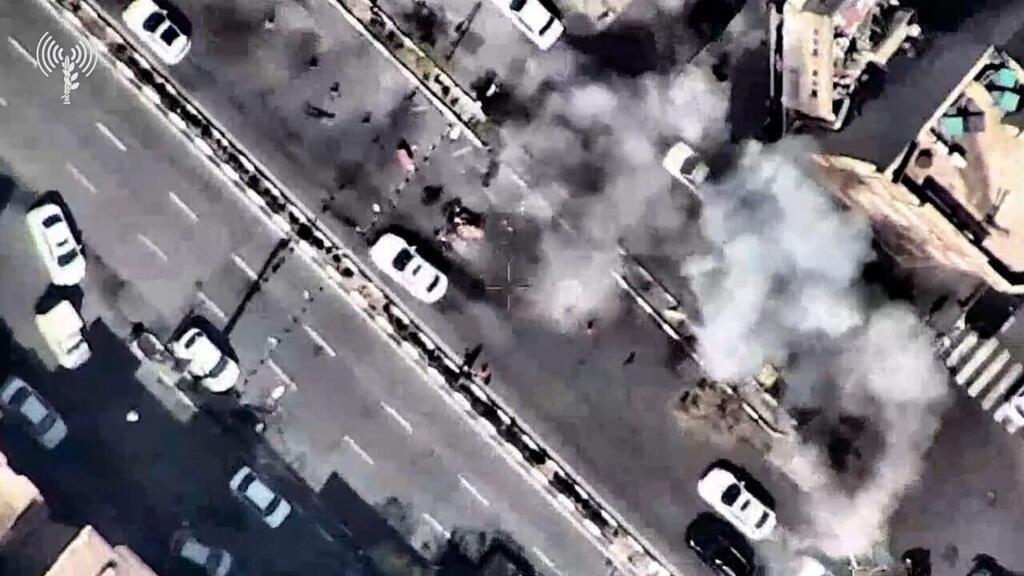
IDF attacks the Basij members of the Revolutionary Guards in Tehran
(Photo: IDF Spokesperson's Unit)
Baran, a businesswoman in her 30s, said that during the strikes she and her friends constantly message each other to check on one another’s whereabouts, but that the explosions themselves are not the only source of fear. “Even when there is no sound, the silence itself is terrifying. I do everything I can to stay alive and witness what lies ahead,” she said.
Baran told Keane she goes to work in fear. “When a drone attack begins, no one dares go outside. If I open the door and step out, it’s a gamble with my life.” Often, dogs are the first to sense an attack, their barking preceding the explosions by seconds.
She added that, like many young Iranians, her hopes for change have collapsed in recent months after the regime killed thousands who protested in January. “I can’t even remember how I lived before without thinking of the loved ones I lost during the protests. I’m afraid of what tomorrow will bring. I’m afraid of the person I’ll become tomorrow. Today I somehow survive, but how will I get through tomorrow? That’s the real question. Will I even be alive to see it?”
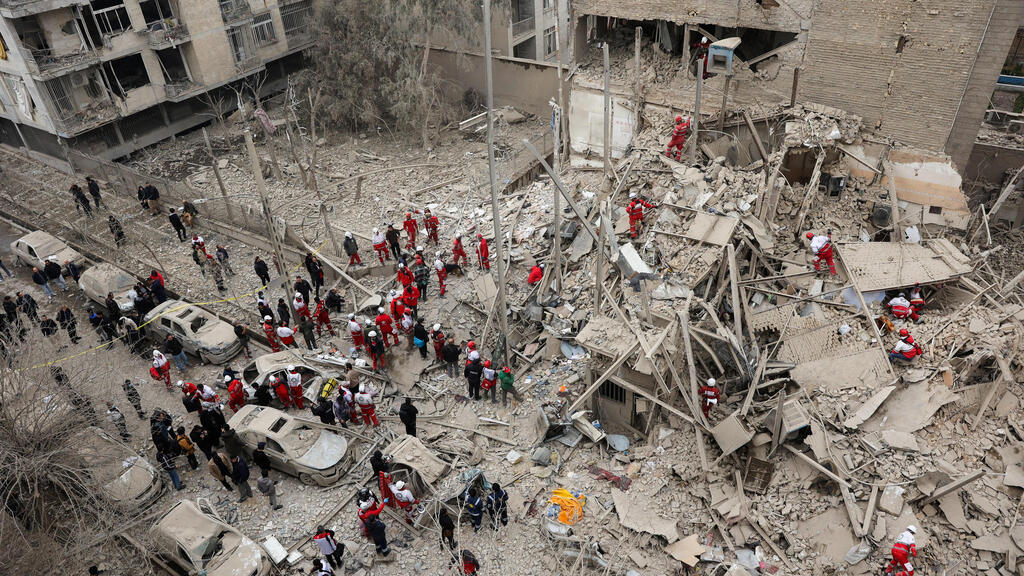
Rescue attempts in a residential building attacked in Tehran
(Photo: Majid Asgaripour/WANA (West Asia News Agency))
“Do you know the difference between our sky and the rest of the world’s?” she asked. “They sleep under the stars at night, and we sleep under missiles. In both cases, light comes from the sky — but a different kind of light.”
She fears the war could last years and its psychological toll even longer. “This war will not end soon, because it’s inside our homes and our families. It has entered our blood and our lives,” sge concluded.
An enemy in the sky, a small hope in the heart
Keane noted that, in wartime Iran, repression of any sign of internal opposition is absolute, making dissent nearly impossible under the watchful eye of the regime.
“Footage we obtained showed regime supporters driving through the city at night waving flags from their cars — a message to anyone who might be tempted to protest,” he reported. “The official narrative is the only one allowed, and state television broadcasts images of pro-regime rallies and funerals. Interviews with officials and demonstrators feature only repeated condemnations of the United States and Israel. In government propaganda, the Iranian people are praised as ready to sacrifice themselves as martyrs.”
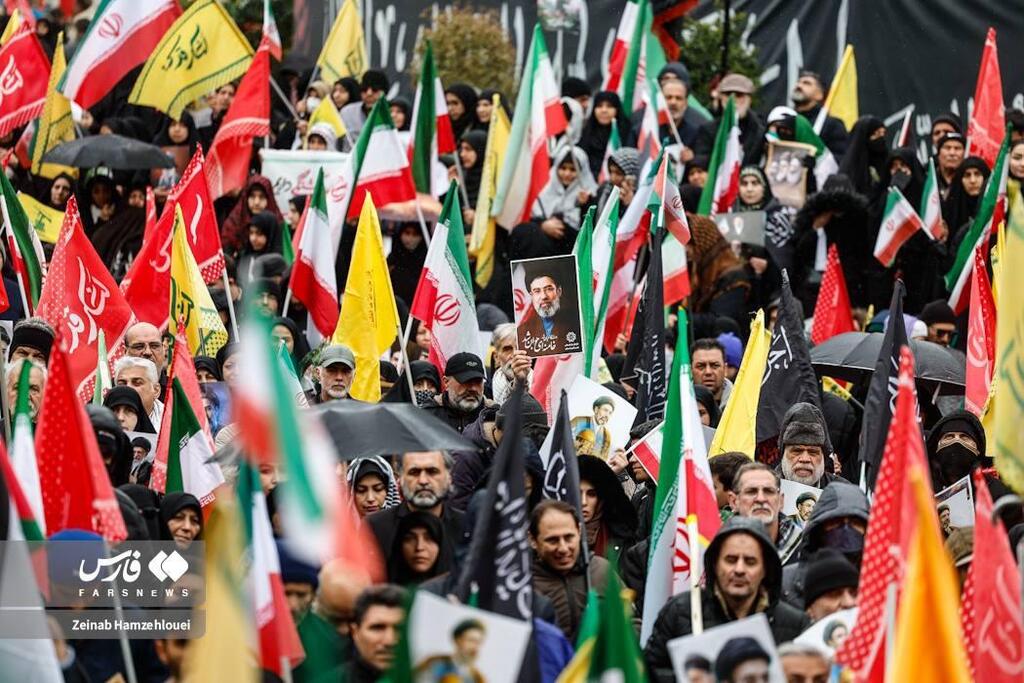
Regime supporters celebrate Islamic Jerusalem Day in Tehran on Friday, which is being exploited for demonstrations of hatred against Israel
Independent journalists are still trying to gather credible accounts reflecting other views, but risk arrest, torture or worse. One told him: “In wartime, you really don’t know what they are capable of.”
Keane noted that only inside their homes do some Tehran residents feel safe enough to speak openly. He cited Ali, an educated middle-class man in his 40s, who had hoped the killing of Supreme Leader Ali Khamenei at the start of the war would bring change, but now sees streets filled with security forces and checkpoints manned by masked, armed men.
“It hurts me when I go outside. The city looks like a city of the dead,” Ali said. He added that he takes antidepressants “to keep myself normal,” and described seeing groups of people in the streets “who are not from us at all — they are regime supporters, people who have essentially taken the streets from us.”
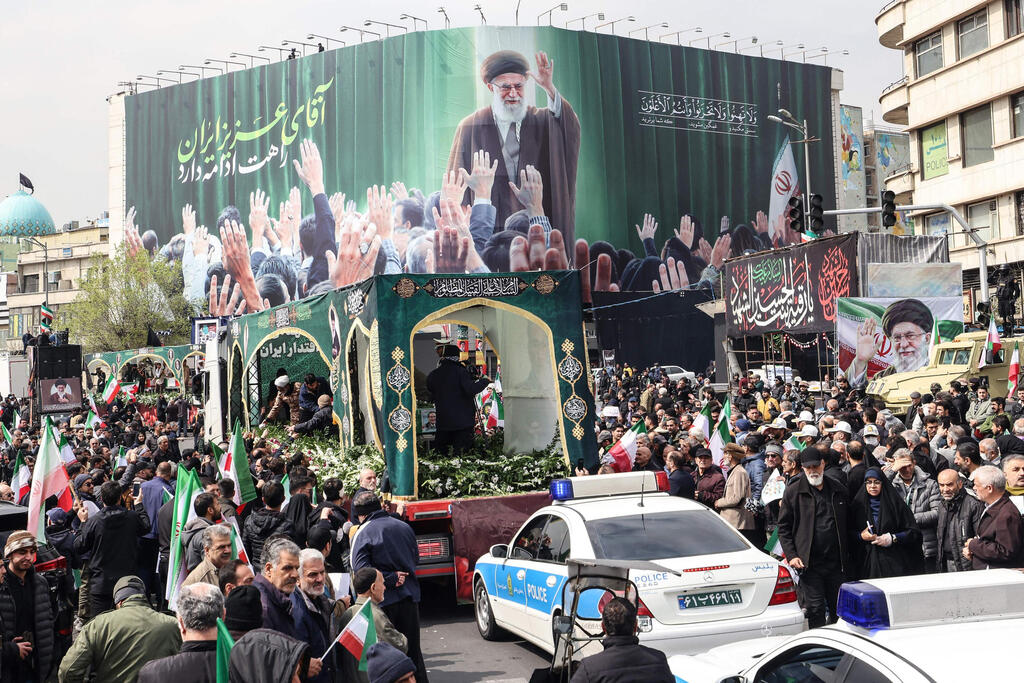
Funeral of those killed in the opening attack, attended by regime supporters in Tehran
(Photo: Atta Kenare / AFP)
Keane said Iranians he spoke to expressed conflicting emotions — a desire for the regime’s fall alongside distress over being under attack. “The situation is frightening,” Ali said. “Your country’s skies are controlled by enemy forces, but at the same time there is always hope in people’s hearts. It’s not that we support the U.S. or Israel — we just hope that somehow something will happen that will end the current Iranian regime and allow people to create change.”
Sealed windows and piles of pillows: 'You never get used to it'
PBS also reported testimonies from Iranians interviewed by correspondent Leila Molana-Allen, who said they are focused for now on survival. A young Iranian mother of a three-year-old said she has taped her windows and piles pillows around her child while he sleeps in a desperate attempt to protect him. “I can’t leave him alone in a room at night. I sleep next to him because I can’t stop thinking that if something happens to him, I want to be by his side.”
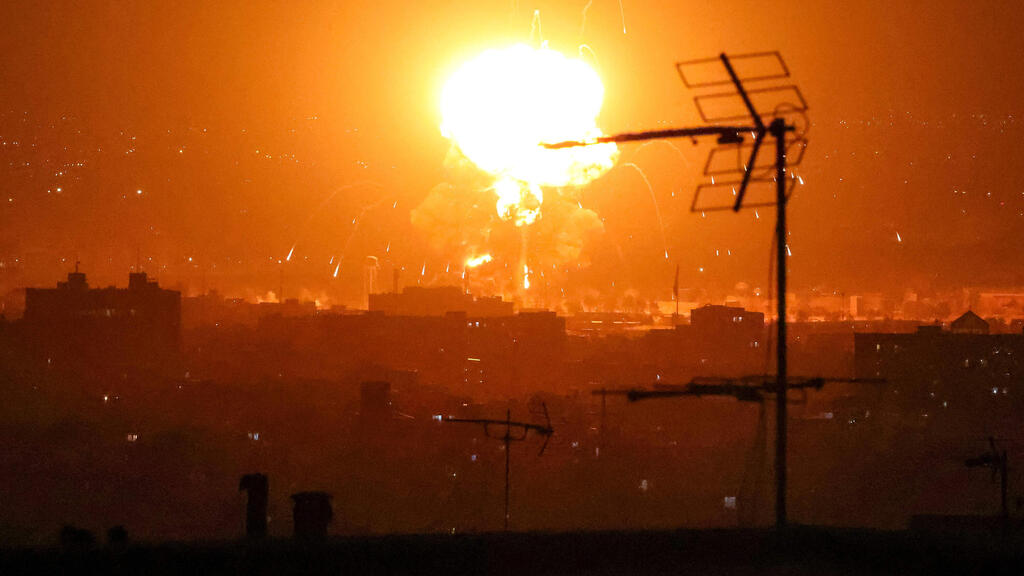
Israeli nighttime bombing in Tehran
(Photo: Atta Kenare / AFP)
She and her family have no access to a shelter, and when strikes come they huddle in a hallway in fear. “I brought him some samosas to eat. Suddenly we heard fighter jets flying right above us. It was very frightening, and then we heard three explosions. They were so strong I thought the windows would shatter and fly into the house. Now when I tell my little boy, ‘Come, I’ll give you samosas,’ he says, ‘I want to, but I don’t want there to be thunder again that scares me.’”
Interviewees told PBS they had stockpiled food, but as Israel and the U.S. increasingly target infrastructure, they fear power outages that could spoil their supplies. One Tehran resident said the bombardment is so intense it is impossible to hide. Some have tried to flee north from the densely populated city center, but roads are congested and fuel is scarce.
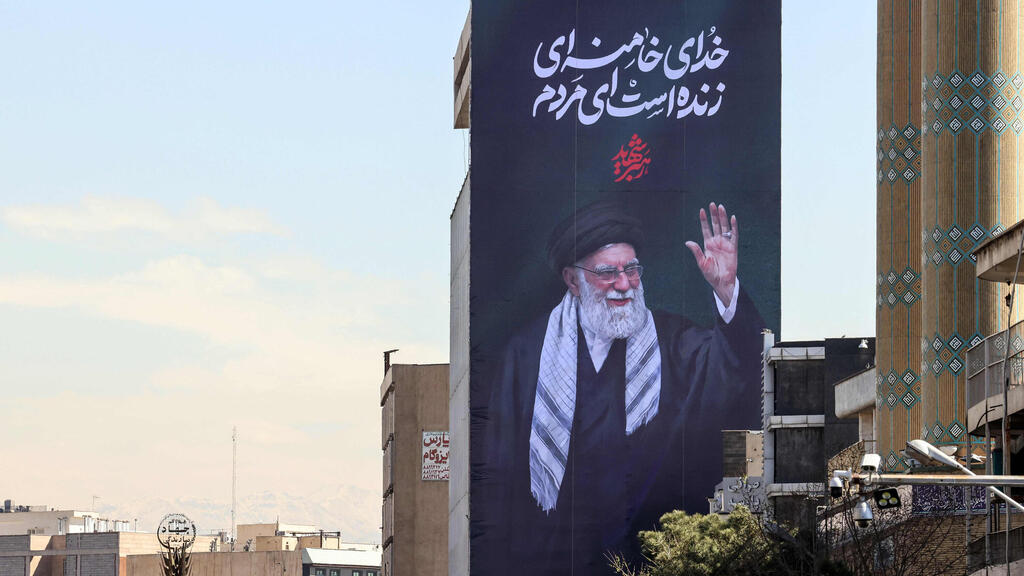
A sign saluting Iran's assassinated Supreme Leader Ali Khamenei in Tehran
(Photo: AFP)
“When you are being bombed, the noise is truly terrifying. No matter how much you think you get used to it, every time you hear it, it haunts you,” he said. He added that people now feel forced to choose between death at the hands of the regime and death from foreign bombing, and are praying that if they must endure this war, it will at least bring change. “Ultimately, we want people to suffer less, to face less grief, for fewer people to be killed. We want the political outcome of the war to serve the interests of the people, not just politicians or Western powers.”
A war with no winners
Defectors who recently fled Iran also spoke to PBS, including Shahin, an artist who says he continues to receive threats from the regime even now, and that, shortly after he left Iran, unknown individuals appeared at his home. “Sometimes they send emails or text messages or call you. Sometimes they threaten you indirectly — by threatening your family or loved ones. They always find a way to silence people. It doesn’t matter who you are,” he said.
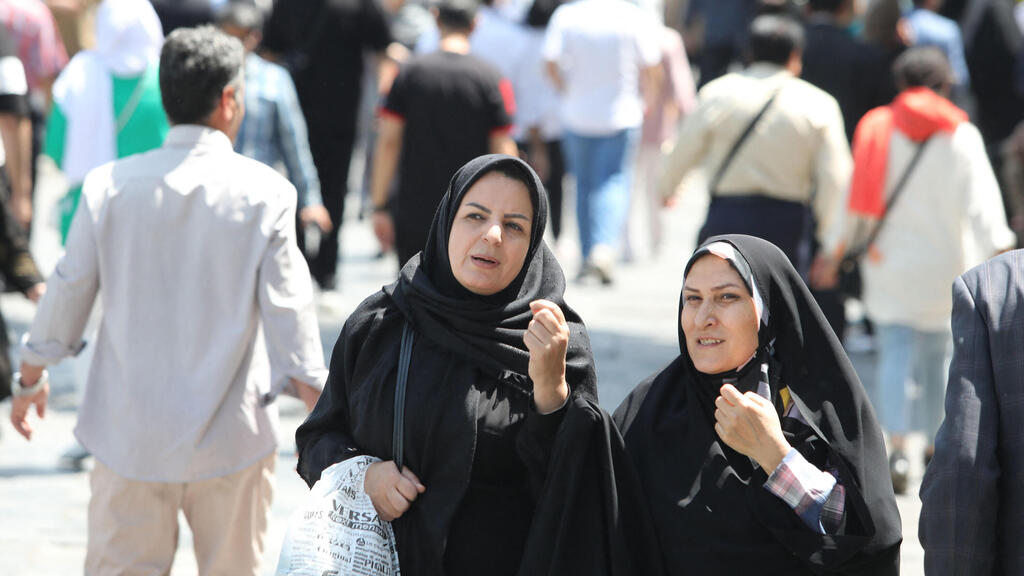
Iranian women in a market in Tehran before the war
(Photo: Atta Kenare / AFP)
He said the current situation is worse than anything he had experienced before, with ongoing bombardment and a near-total internet blackout imposed again by the regime on the first day of the war. “There is no access to the outside world. There is no freedom of expression. There never was, but now it is even more restricted and monitored, with more pressure, more risks.”
Mahrazad, a journalist who fled Iran after being harassed and interrogated over her writing about the 2022 women’s protests, said from abroad that, despite anger at Iran’s rulers, the war will only bring more pain and death.
“Until we have a practical solution for the future, removing one regime or leader and replacing them with another will only lead to the same dictatorship we have endured for at least a hundred years," she explained. "This is a war in which I see no winners.”