


The Shin Bet's investigation into suspected efforts to undermine the integrity of Israel's elections continues to stir controversy. As time passes, it is becoming increasingly clear that the information emerging about the investigation has become just as much a battleground as the investigation itself.
Meanwhile, urgent discussions and investigative efforts are underway at the Shin Bet, Israel's domestic security agency, in an effort to complete the probe by Wednesday, when the official election results are expected to be announced.
Gallery
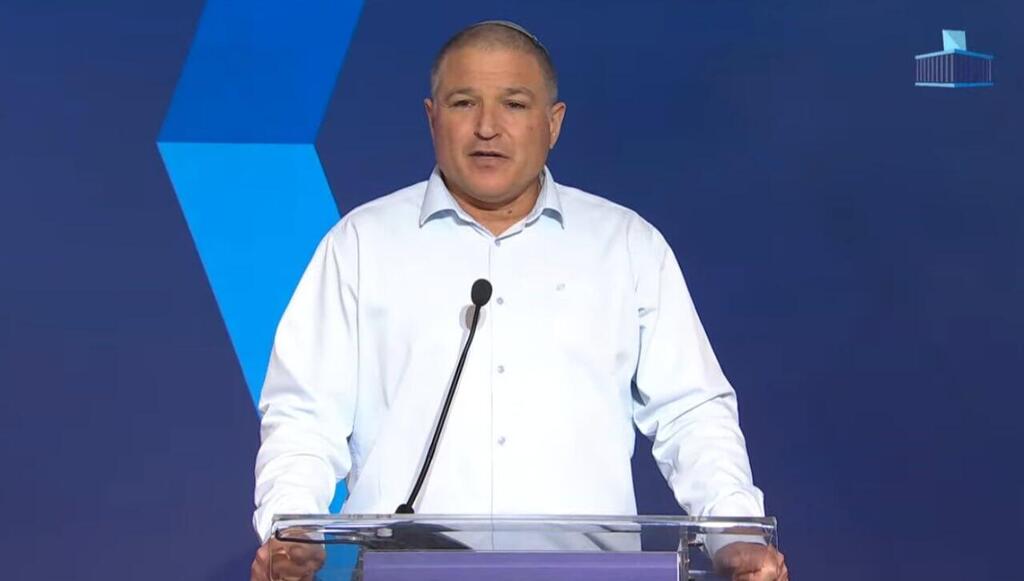
David Zini, director of the Shin Bet. Relations between the agency's leadership and its legal advisers are sensitive
(Photo: Central Elections Committee)
At the same time, in what appears to be an attempt to delay the announcement, Likud submitted a request Monday to the Central Elections Committee, demanding that its presidium be convened to receive details about the nature of the suspicions before the results are officially released.
Throughout the affair, numerous reports have emerged containing details that later proved inaccurate. The Shin Bet has sought to keep the investigation and its details as confidential as possible, but those efforts have met with only partial success. Information has gradually leaked, at times prompting political interpretations that do not necessarily reflect the facts.
Based on what is currently known, the investigation centers on the transfer of funds to a political figure or entity and suspicions that the money was used for activities amounting to election bribery and interference with the electoral process. However, the Shin Bet has not disclosed the identities of those involved, the sums of money in question or the nature of the activities under investigation. These remain suspicions under investigation, not confirmed findings.
Alongside the investigation itself, internal discussions are taking place within the agency over how it should be conducted and which investigative tools should be employed.
Israel's Kan 11 public broadcaster reported Sunday night that a disagreement had emerged between the Shin Bet's legal adviser and two other senior officials on one side and agency director David Zini on the other.
According to sources familiar with developments inside the agency, relations between Zini and some senior Shin Bet officials are strained, to say the least, with repeated confrontations and disagreements over time. The tensions began during the process of appointing Zini as agency director and have continued over various issues.
Now, amid the dispute over the investigation into suspected election fraud, those tensions have resurfaced.
The identity and background of the Shin Bet's current legal adviser are also significant in this context. He is a security professional who came from the military establishment and is also an experienced legal expert known for standing his ground when he identifies legal concerns.
Legal questions surrounding the Shin Bet’s use of its authority are particularly complex. In cases involving significant disagreements, they may also be referred to the attorney general's office.
This means that not every operational or investigative request made by the Shin Bet director can automatically be carried out. In some cases, a broader legal review is required.
The relationship between the agency's director and its legal advisers is particularly delicate, requiring complete trust, professional dialogue and respect for differing opinions.
Ultimately, the legal adviser's role is to examine requests submitted by the director and facilitate the proposed operational and investigative activities to the extent permitted by law. When legal obstacles arise, however, the legal adviser must establish the necessary boundaries.
Did the Palestinian Authority interfere?
At the same time, sources within the Shin Bet sought to present a different picture from the one suggested by reports of internal disagreements.
"The discussion was professional, and everyone expressed their opinion. The fact that there are differing views does not mean there is tension or chaos. It is a sign of a healthy organization where everyone is heard," the sources said.
In response, the Shin Bet said: "The Shin Bet and its director conduct professional discussions within the organization that allow a broad range of differing and diverse opinions to be expressed. At the same time, we wish to clarify that we do not comment on what is said in closed-door discussions."
The political arena also continues to shape public perceptions of the investigation.
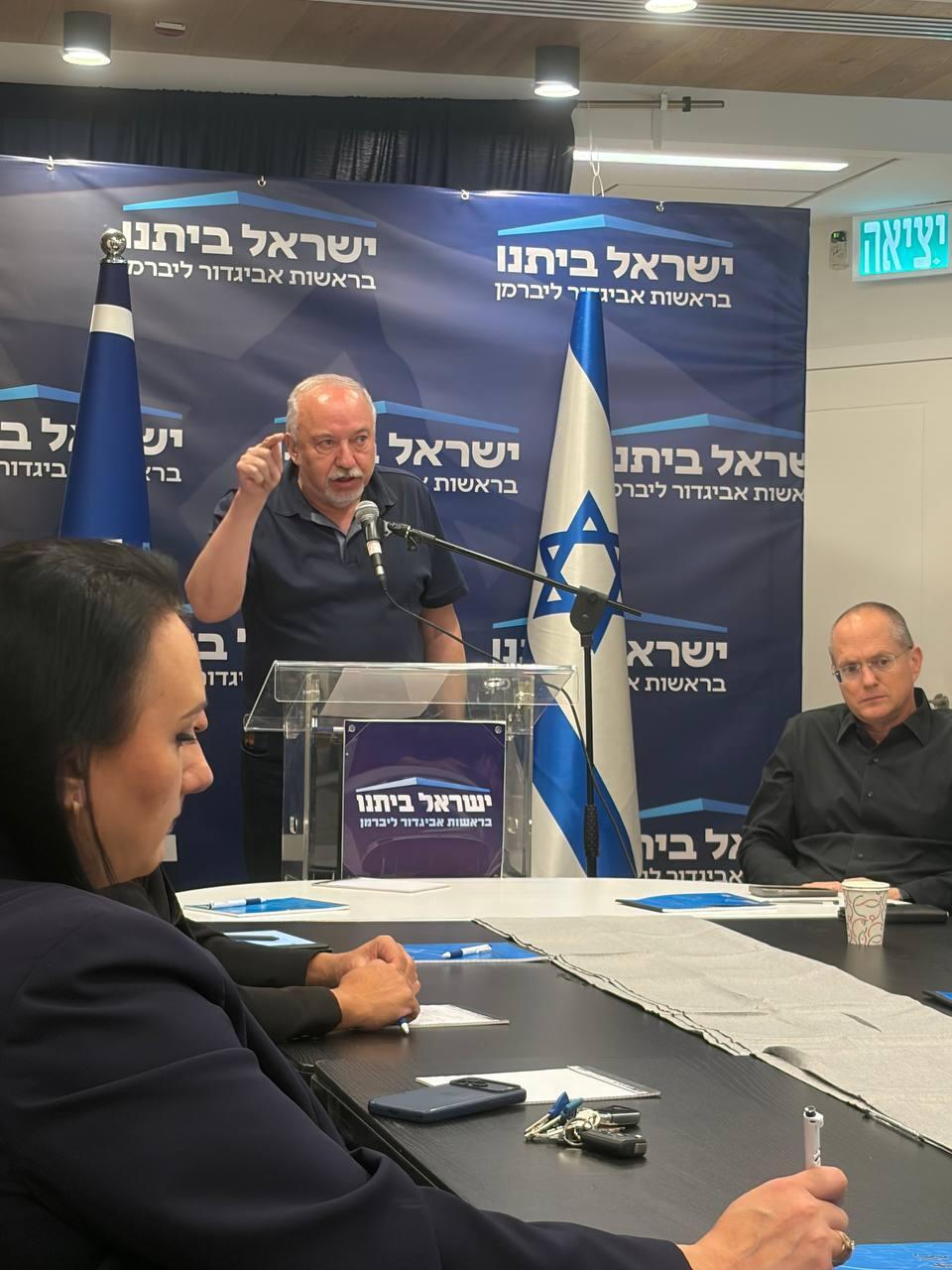
Avigdor Liberman at a Yisrael Beytenu faction meeting
(Photo: Yuval Karni)
Yisrael Beytenu party chairman Avigdor Liberman said Monday that the Palestinian Authority was involved in the affair and might be seeking to influence the outcome of Israel's elections.
The Shin Bet did not comment on Liberman's remarks. However, all lines of inquiry are being examined, including the possibility he raised.
The investigation is expected to reach a significant milestone Wednesday, when the official election results are released.
Security officials understand that, until then, political figures may continue to exploit details emerging from the investigation to advance their own interests.
Tuesday will mark one week since the investigation began. So far, the Shin Bet has not released a detailed official explanation of the sequence of events, the nature of the suspicions or the direction the investigation is taking.
Meanwhile, Likud's legal adviser, attorney Ilan Bombach, sent a letter Monday to Central Elections Committee Chairman Justice Noam Sohlberg, requesting that the committee's presidium be convened to receive information about suspected foreign interference in the elections before the official certification of the results of the election for the 26th Knesset.
Bombach argued that "before the official results are published and submitted to the president, members of the committee's presidium must be informed of the scope of the suspicions, what has been uncovered so far and what remains unclear."
According to assessments, Likud's move is not expected to affect the scheduled announcement of the official election results.