

Far-right coalition members urged Prime Minister Benjamin Netanyahu on Monday to reject a reported ceasefire deal with Hamas, insisting he has no mandate to accept a partial agreement and should continue military operations in Gaza.
National Security Minister Itamar Ben-Gvir tweeted that “Netanyahu has no mandate to accept a partial deal.” He warned that halting the war now would be “a historic failure and a missed opportunity,” citing a previous incident in which Netanyahu allegedly ignored an ultimatum from U.S. President Donald Trump demanding the release of all hostages. In a video posted later, Ben-Gvir added: “The blood of our soldiers is not forfeit. We must go all the way, destroy Hamas.”
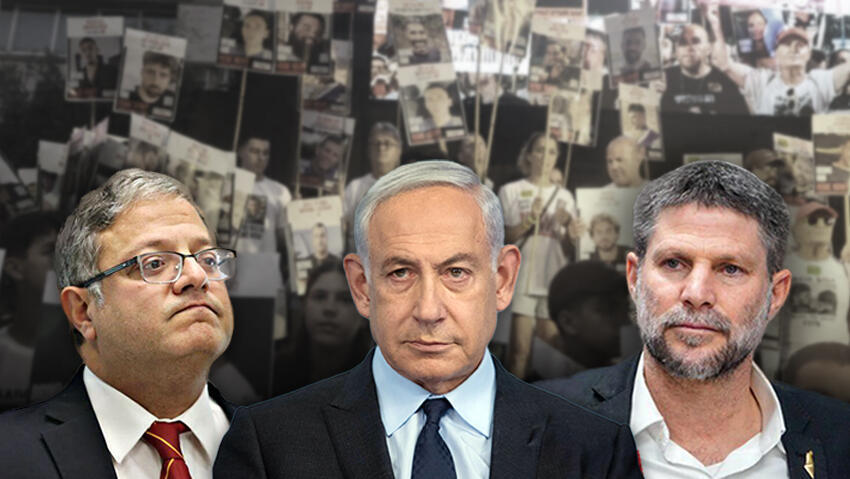
(Photo: Shalev Shalom, Alex Kolomoisky)
Religious Zionism MK Zvi Sukkot echoed the warning on social media, saying that a partial deal would leave half of the hostages at risk, endanger Israeli troops in future operations, provide breathing room to Hamas and erode remaining international legitimacy.
By contrast, opposition MK Benny Gantz expressed support for negotiating a deal. “The government has a clear majority and a broad safety net to return the hostages. Netanyahu, this is not the time to hesitate—it’s time to make the right decisions for the people and Israel’s security,” Gantz said.
Netanyahu addressed the reports in Arab media, saying: “I, like you, hear the reports in the media, and from them you can see one thing—Hamas is under atomic pressure.”
Amid the ongoing debate, the government is expected to discuss increasing the defense budget on Tuesday, including billions of shekels earmarked for humanitarian aid in Gaza. Ben-Gvir opposed funding he said could reach Hamas, while treasury officials stressed that aid would go through distribution centers operated by international organizations and directly to civilians.
Defense Minister Israel Katz said Hamas was only willing to discuss a hostage deal because of fears Israel intends to take over Gaza City. “Capturing the city will break Hamas,” Katz said, describing Gaza City as a center of military, governmental and symbolic weight. He added that cabinet decisions integrate military and diplomatic efforts with the aim of achieving war objectives while applying international pressure on Hamas.