

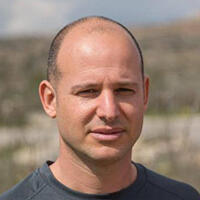
Three hours after returning to his home on Arugot Farm, an Israeli outpost in the Gush Etzion bloc south of Jerusalem, Lt. Col. N. received a call from the commander of the 401st Armored Brigade.
The message was brief and devastating: “Dabash is dead. Get here. Now.” N. immediately realized the gravity of the mission.
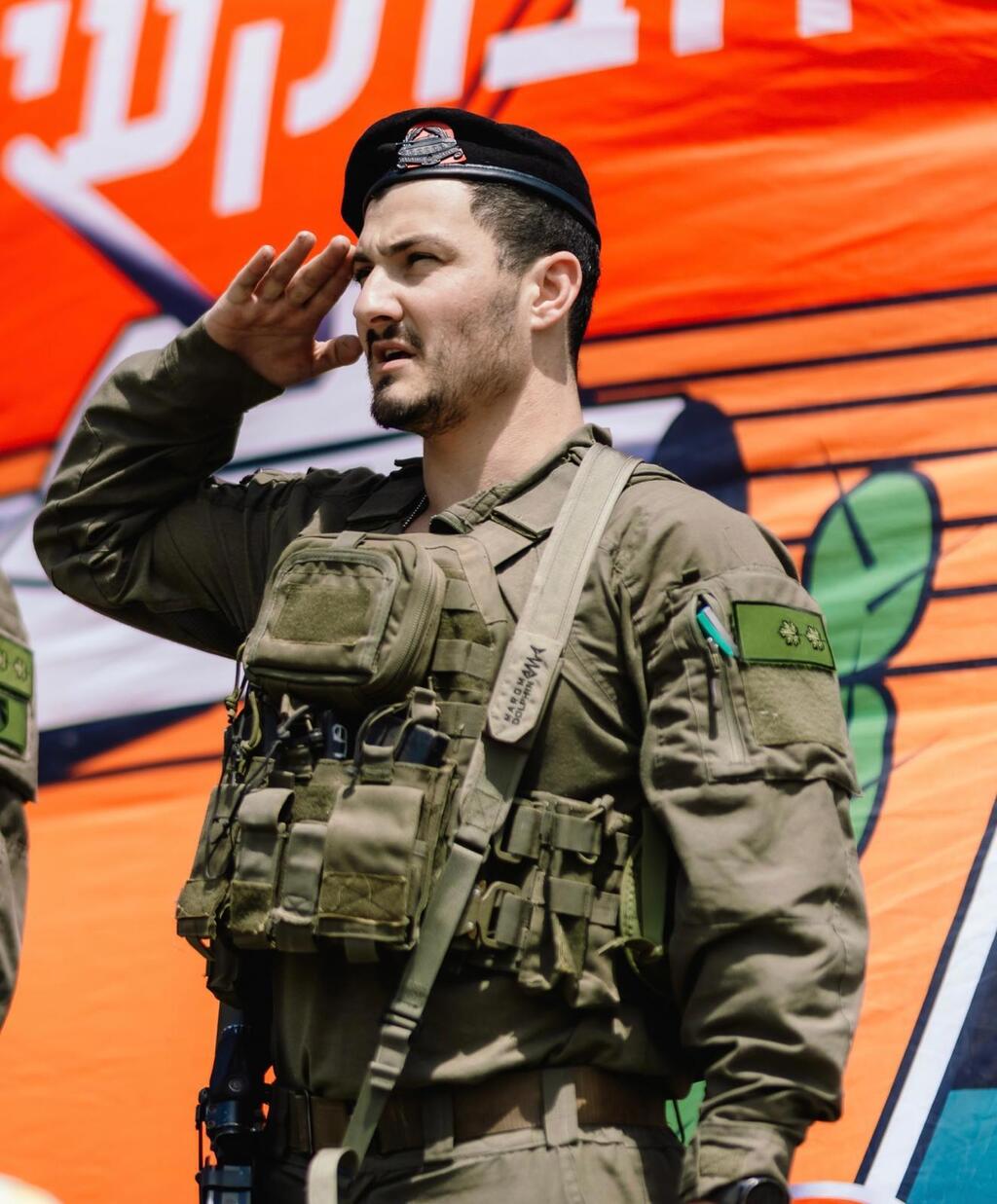
“Dabash” was Lt. Col. Dor Gedalia Ben Simhon, the widely respected commander of the 52nd Battalion, who had been killed shortly before in a tank explosion near Kfar Tebnit in southern Lebanon.
“At that moment, I got up, kissed my wife and children, and left,” recalled N., 36, who was then deputy commander of the 401st Armored Brigade.
He was immediately appointed acting commander of the battalion. “I took my uniform from the laundry basket. It hadn’t even made it into the washing machine yet,” he said. “Soon after, I was already in Metula,” a town on Israel’s northern border with Lebanon. “Before dawn, I was moving through the Beaufort sector, entering the combat zone to take command of a battalion in the middle of a complex event.”
A heroic extraction mission
What he encountered was harrowing: a destroyed tank, a burning battlefield, all under mortar fire and strike drones. These were the final days before the ceasefire took effect, and Hezbollah terrorists concentrated a last wave of attacks on the battalion operating near Kfar Tebnit.
“I realized I had three immediate missions,” he says. “First, to defend the sector near Kfar Tebnit. Second, to extract the tank and the fallen soldiers. Third—and perhaps the most complex—to rebuild a fighting formation that had lost its commander and three soldiers in a single moment.”
The recovery of the bodies turned into a battle of its own. Dozens of mortars and drones were launched throughout the night. In a combined operation with the Givati Brigade and engineering forces, and under heavy fire in which around 50 terrorists were killed, the troops completed their mission.
“We risked ourselves repeatedly under live fire. The sole objective was to bring our brothers to burial in Israel. It took many long hours, and we did not stop until it was done.”
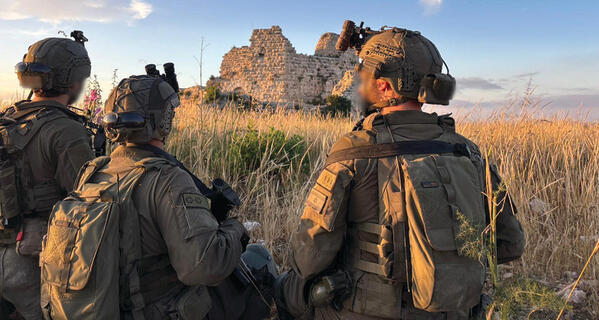
'We risked ourselves repeatedly under live fire'
(Photo: IDF)
For N., commanding after senior officers are hit in battle is not unfamiliar, though it is always deeply complex. Only a short time earlier, he had been forced to act in similar circumstances when his brigade commander, Col. Meir Biderman, was seriously wounded before his eyes.
“We were in the same position when the first drone hit,” he recalls. “It injured Biderman and two other soldiers. Seeing your commander wounded and treating him with your own hands while evacuating under fire is extremely complex. We were simultaneously evacuating the wounded and intercepting drones. About ten FPV drones were launched at us in that incident. We managed to down two of them; the rest struck the position. It was a very complex combat situation, but our system is strong and has deep reserves. We kept operating.”
Despite the sector entering a ceasefire period, N. emphasizes that the IDF’s hands are not tied. “After October 7, the army changed. We no longer wait for the enemy to reach civilians at the border,” he says. “The IDF has defined very clear red and green lines, and we are holding the area effectively and preparing for defense along the new line.”
In his view, rules of engagement under the agreements are unequivocal: “We have complete freedom of action. Any identified threat or violation is met with an immediate and aggressive response. Right now, we are preparing to defend the yellow line and waiting for decisions from the political echelon.”
'To Add Courage'
For the 52nd Battalion, which has lost 23 soldiers since October 7, the trauma was immense. After two and a half years of fighting—from Gaza to intense battles in Lebanon in Khiam, Bint Jbeil and the strategic Ali Taher ridge—the soldiers needed a stabilizing force.
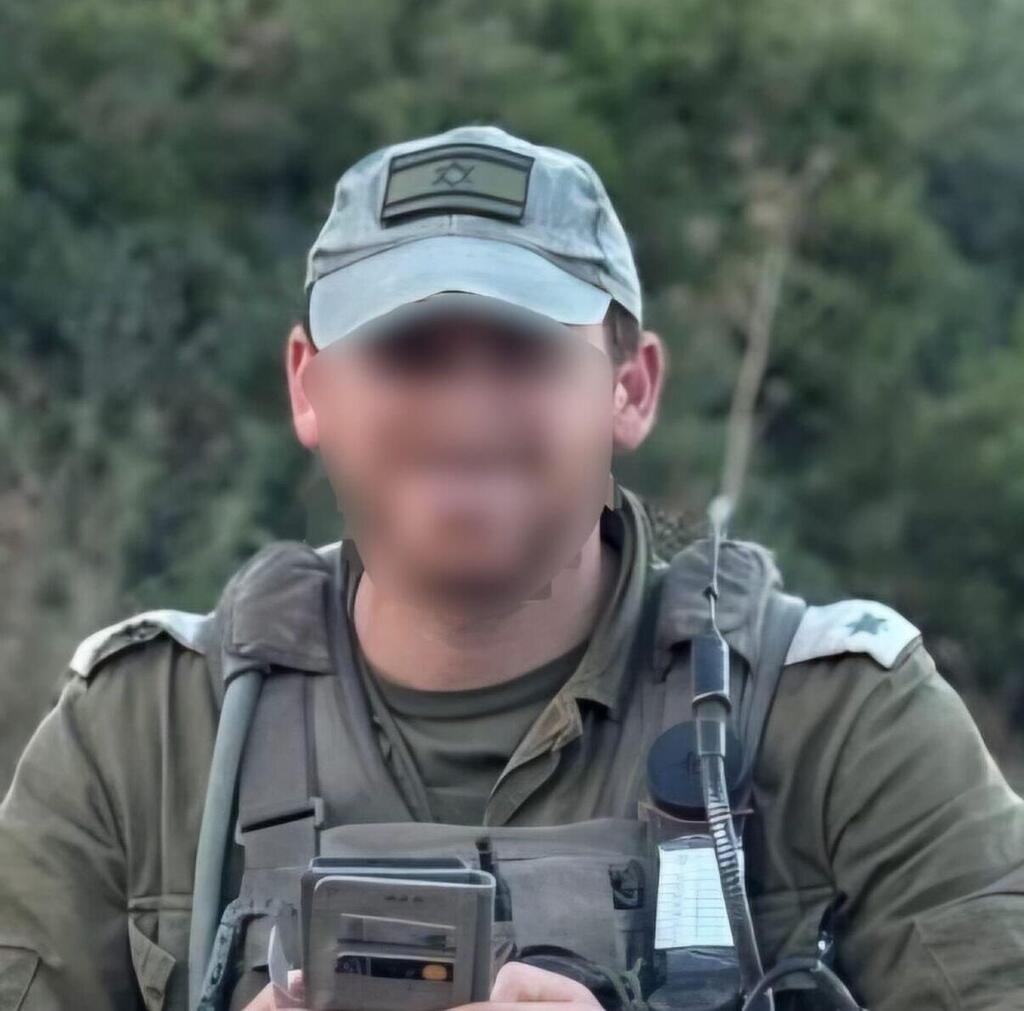
Lt. Col. N.
(Photo: IDF)
N. gathered them among the ruins and began speaking. “I reminded them that we are fighting one of the most just wars the Jewish people have known,” he says. “I told them: right now, millions of people in the rear are praying for you. You are not alone. You are emissaries of the public—and someone who knows he is a messenger has infinite strength.”
He shared with them Rabbi Kook’s essay “To Add Courage.” “I told them about people digging a well. They dig and dig, get tired, and when they finally reach water, the first water is muddy. Some give up. But those who continue digging reach living water. This war is a cumulative achievement. Every weapons cache discovered, every terrorist eliminated, every bucket of mud we remove brings us closer to the living water—to victory.”
Throughout the interview, N. repeatedly emphasizes mutual responsibility. Since taking command, his phone has not stopped ringing. Reservists and civilians arrived voluntarily, without call-up orders, simply to assist in recovery efforts and support the soldiers.
When asked about home and his wife Miri, he falls silent for a moment. “In moments like these, there are almost no words. Mostly, there are looks, an internal embrace, and a lot of prayer. The wives of career officers are the real heroines of this war. The fact that they hold the home front and raise the children allows us to carry out the mission of our people in this generation.”
Despite the loss, he maintains a sense of optimism. “We are optimistic people,” he concludes. “We see the strength this war brings out in the people of Israel. In the end, we will win. We will go home, rebuild the houses, and the children will grow up in peace. We will stay here as long as we are needed.”