

The IDF announced Tuesday morning another wave of strikes in Tehran on the fourth day of Operation Roaring Lion. International media describe the Iranian capital as a near ghost city, with empty streets and areas reduced to rubble following bombardments.
Residents have largely confined themselves to their homes, fearful of continued attacks. Those able to flee to villages or what they consider safer areas have done so. As during the mass protests in January, authorities again cut internet access, isolating citizens from the outside world. Despite the blackout, some Iranians managed to speak to international media about the chaos unfolding across the country.
Footage from Tehran


On Monday, the IDF warned residents living near Tehran’s Evin Prison, where political prisoners are held, to evacuate. “Your presence in this area puts your lives at risk,” the military said. Shortly afterward, residents reported powerful explosions. Iran’s state broadcaster was also hit.
“The attacks last night were even more massive,” Kamran, a Tehran resident, told The New York Times. “It feels like bunker-buster bombs or something like that — explosion after explosion.”
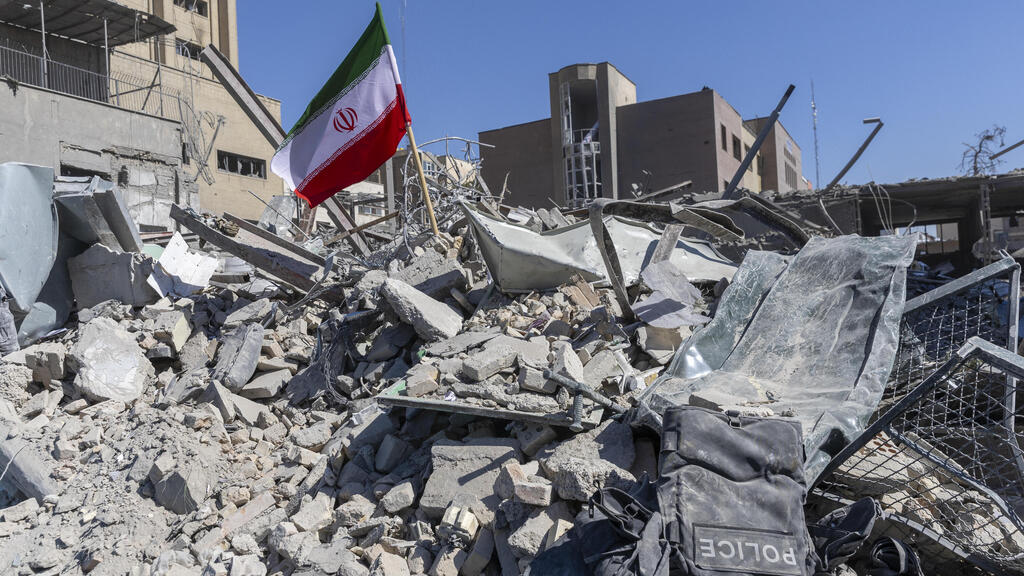
The number of fatalities in Tehran remains unclear. Iran’s Red Crescent said at least 555 people have been killed nationwide over the past four days, including 175 in a strike on a school, according to Iranian authorities. Israel and the United States said they are not aware of any incident matching that description.
“The attacks were very close to us, last night and this morning,” said Yasman, a 40-year-old photographer in Tehran. “I haven’t slept in four nights.”
Mina, a 61-year-old engineer, said an office building on her street was hit, shattering the doors and windows in her apartment. “The explosions are so loud. Pray that we survive the night,” she said.
“Ordinary people are being hurt,” Ahsan, a 36-year-old scientist, told The New York Times. “Even if you’re not killed or wounded, if you lose your home or business, it’s very hard to recover in this economic situation.”
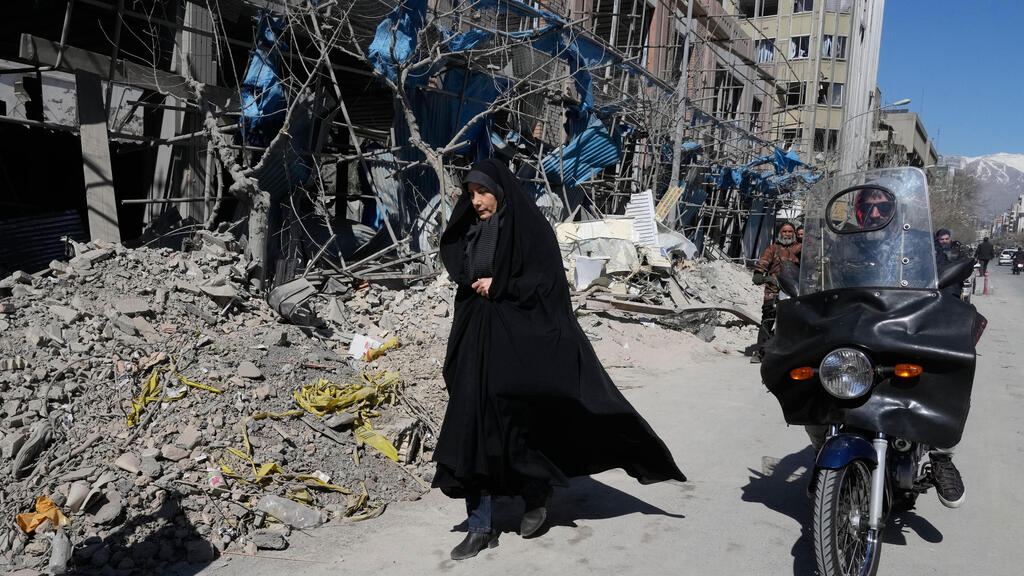
(Photo: AP Photo/Vahid Salemi)
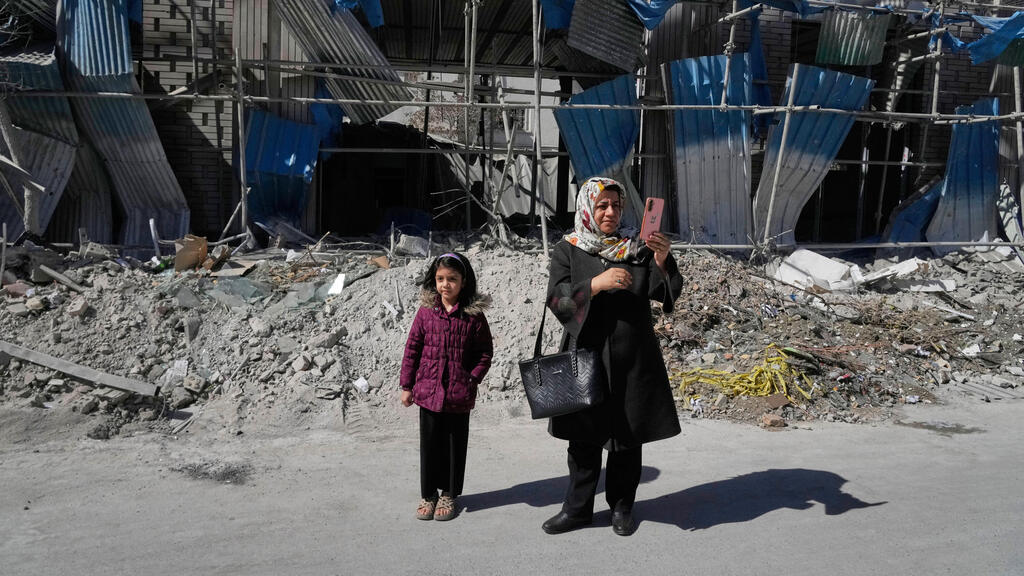
(Photo: AP Photo/Vahid Salemi)
Reuters reported Saturday that residents fled targeted cities in search of shelter. Tehran residents rushed to stockpile food and lined up at gas stations.
“People bought whatever supplies they could. Everyone is sitting at home listening to explosions,” said Amir from Tehran. “Like during the 12-day war with Israel, we’re exhausted. Very exhausted.”
Residents speaking by phone to Reuters described chaos and panic. “We’re driving to Yazd. Tehran is no longer safe,” said Golmreza, a shoe seller and father of two. “I’m leaving everything behind.”
“We’re scared. My children are shaking. We have nowhere to go. We’ll die here,” said Mino, a 32-year-old mother of two from Tabriz, which was also struck.
In Isfahan, Reza, 45, said he was taking his family to Urmia near the Turkish border. “If the border is open, we’ll cross and fly to Istanbul.”
Mohammad, 63, from Ilam, about 300 miles west of Tehran, said he too planned to leave. “God knows what will happen to us. Pray for us.”
Another Tehran resident said, “People are in shock, afraid. What will happen to us? Please save us.”
Conflicting emotions after Khamenei
CNN reported earlier this week that Tehran residents expressed mixed emotions after the killing of Supreme Leader Ali Khamenei. Regime opponents celebrated Saturday night, but celebrations soon gave way to anxiety about what might follow, including fears of American intervention and broader regional war.
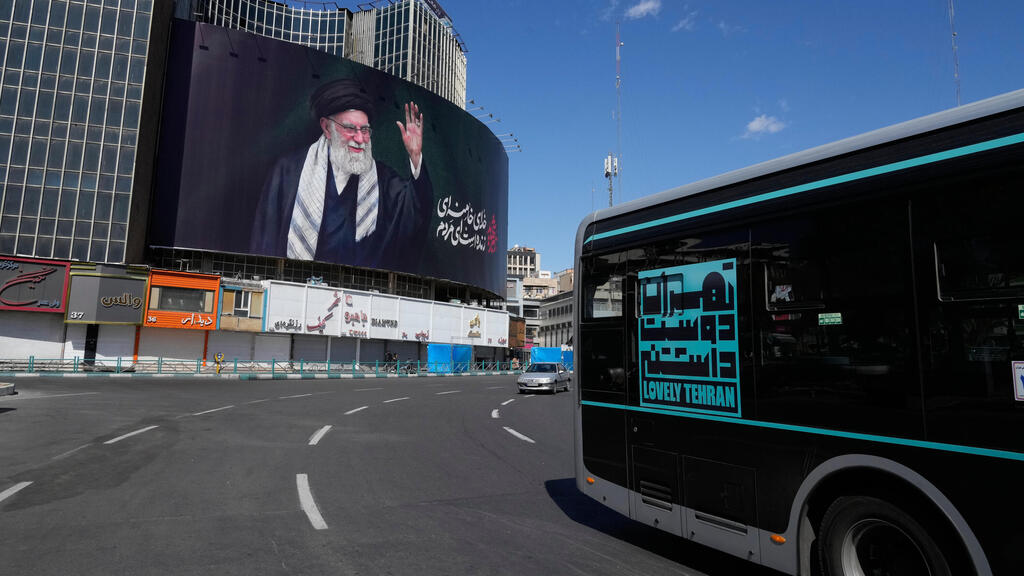
Tehran residents expressed mixed emotions after the killing of Supreme Leader Ali Khamenei
(Photo: Vahid Salemi/ AP)
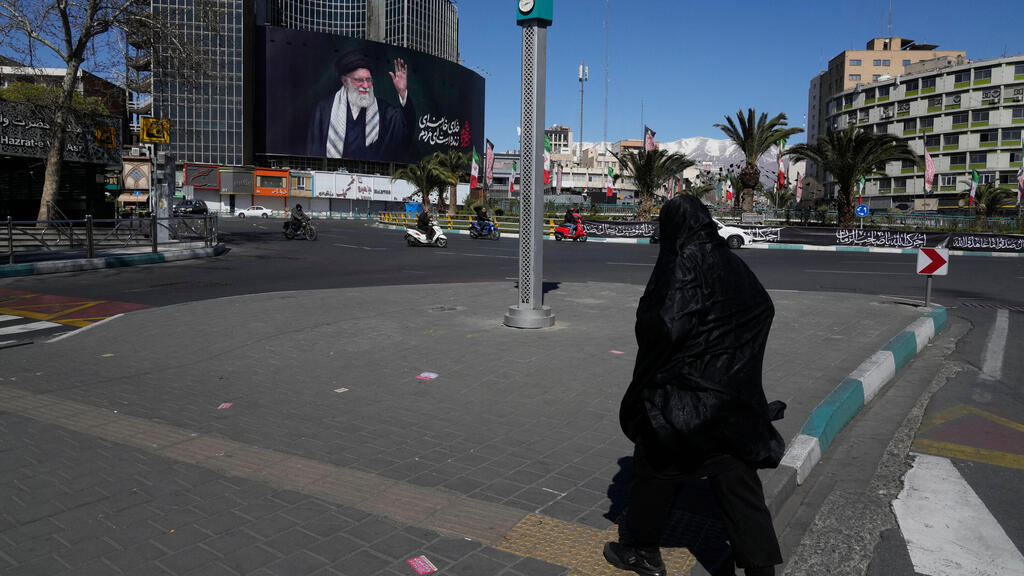
(Photo: Vahid Salemi/ AP)
“I’m happy Khamenei is gone. I almost couldn’t believe it,” one Tehran resident told CNN. “But I can’t celebrate yet.”
Another said, “I’m worried about what his death means. I don’t think it will bring change soon, but I find comfort knowing he’s gone.”
A man in northern Tehran told The Associated Press, “Inside, we are celebrating. But as long as we are not protected from them, people won’t celebrate publicly. They are ruthless — and even more vengeful.”
Fatemeh, a Tehran resident, said Iranians are “living between hope and fear.”
Strikes in Tehran
A doctor in Rasht described the night news of Khamenei’s death as “one of the best nights of our lives, if not the best.” Yet he rejected U.S. President Donald Trump’s suggestion that Iranians could now overthrow the regime themselves.
“I don’t think the fate of Iranians is currently in their own hands,” he said. “In the end, this is a war of foreign powers. But if the regime is weakened significantly and there’s another call for protests, that could be a different story.”
Prospects for renewed protests
Despite Trump’s call for Iranians to rise up, experts say launching a new wave of protests during wartime is unlikely to be simple.
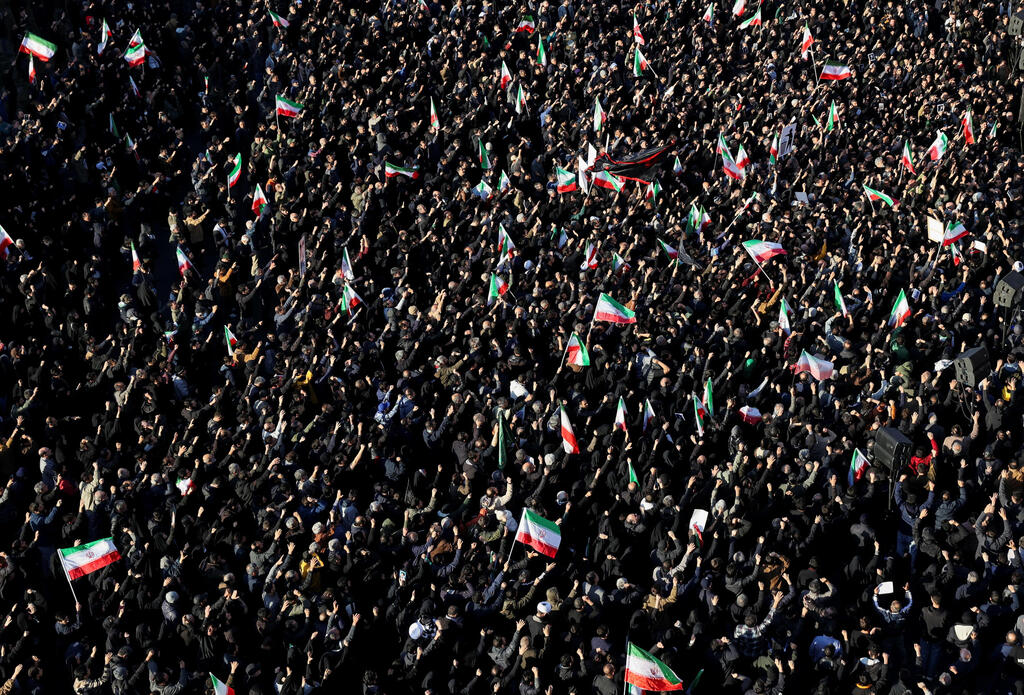
Tehran, Iran: Crowds mourn after the killing of Ali Khamenei
(Photo: Majid Asgaripour/WANA (West Asia News Agency) via REUTERS)
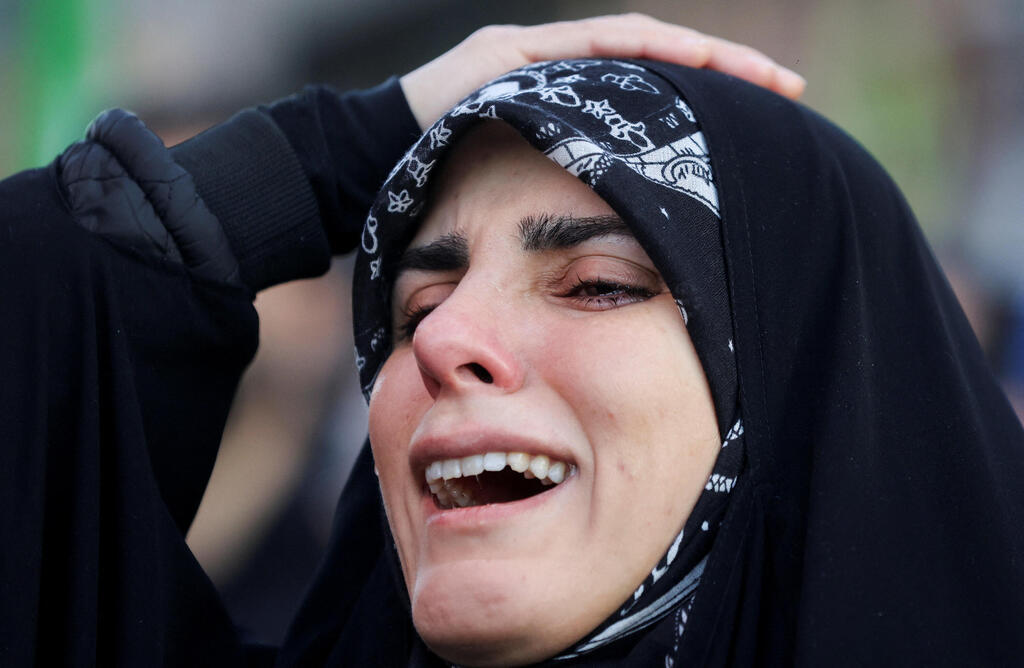
(Photo: Majid Asgaripour/WANA (West Asia News Agency) via REUTERS)
Professor Esfandyar Batmanghelidj of Johns Hopkins University said, “The reality is that the Iranian people do not have the means to overthrow the Islamic Republic on their own. The strikes may encourage some, but many will hesitate to return to the streets because the regime retains its repressive capabilities and will likely use violence again.”
“People are waiting to see what comes next beyond the strikes,” said Hossein from Karaj. “The biggest fear is that America will make a deal with the Iranian leadership and leave.”
An Iranian from Yazd said he hopes the war will bring down the regime. “Let them bomb,” he said.
But Samira from Rasht disagreed: “I’m against this regime, to hell with them. But I don’t want foreign forces attacking my country. I don’t want my Iran to become another Iraq.”