

During talks between Israel and Lebanon over the areas the IDF will evacuate in southern Lebanon, mediators proposed deploying Italian soldiers on the ground to monitor the removal of weapons and Hezbollah terrorists from the area. In addition, during the U.S.-mediated talks being held in Rome, mediators also proposed that UNIFIL oversee the process, but both Israel and the United States firmly opposed that suggestion.
Israeli representatives made clear during the talks that the IDF must examine whether the pilot program, under which the Lebanese army would send forces into areas from which the IDF withdraws, is working. Lebanon, on the other hand, wants its army to be responsible both for the territory and for the inspection.
Gallery
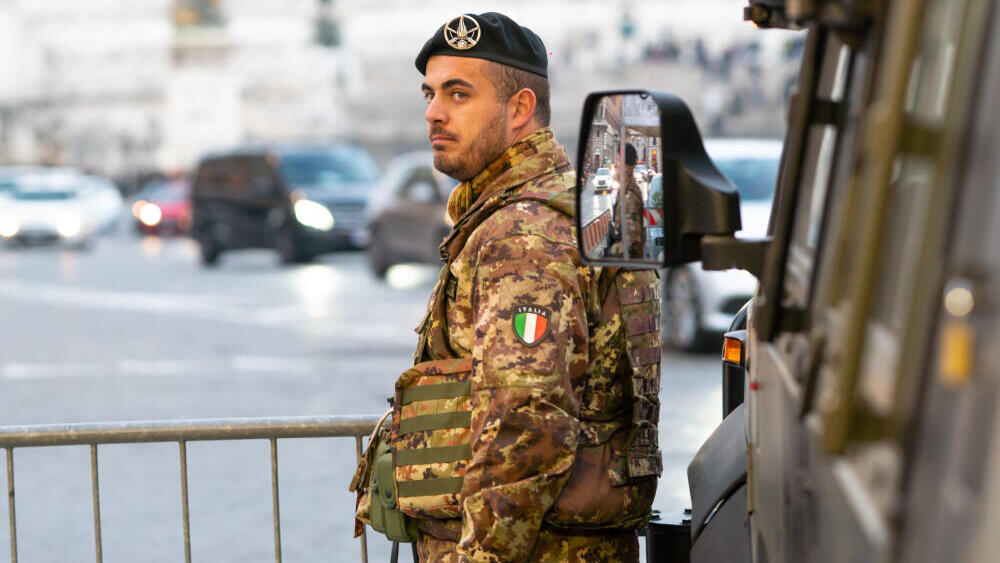
Mediators proposed deploying Italian soldiers to monitor the removal of weapons and Hezbollah terrorists under the pilot program
(Photo: Cineberg/Shutterstock)
In light of Israel’s opposition, the possibility was initially raised that UNIFIL, the United Nations Interim Force in Lebanon, would enter the areas from which the IDF withdraws. That proposal was rejected outright, after which the “Italian proposal” was raised. Security officials said “the proposal is being examined by the parties.”
Following the framework agreement signed between Israel and Lebanon, representatives of the two countries and the United States concluded two days of discussions in Rome on Wednesday. In a joint statement by Israel, Lebanon and the United States, the talks in the Italian capital were described as “productive and positive.” According to the statement, the parties reached agreement on the structure and principles of the “pilot zone” process, with the final details and actual implementation expected to be completed in the coming days.
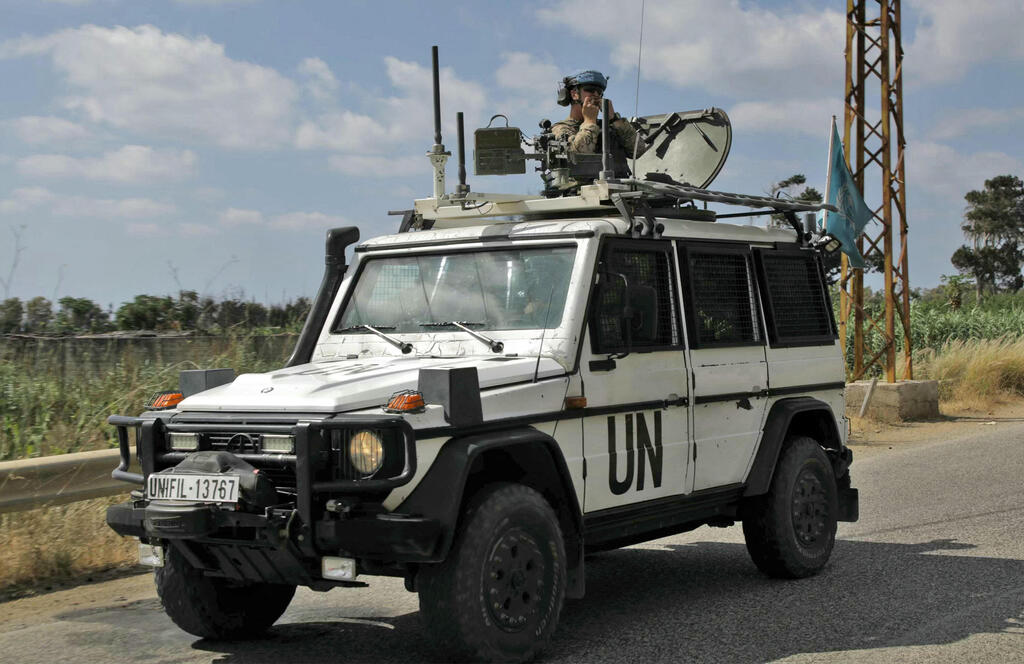
UNIFIL in South Lebanon. Israel and the US oppose their deployment
(Photo: Kawnat Haju / AFP)
The framework agreement stipulated that “the Lebanese army will gradually assume full and effective security responsibility in pilot zones, which will serve as a mechanism for the IDF’s redeployment and the deployment of Lebanese army forces in a gradual and verified manner. The first two pilot zones have already been agreed upon between the IDF and the Lebanese army, and additional pilot zones will be determined by mutual agreement.”
For now, the IDF is present in very large areas of southern Lebanon. It controls the Beaufort ridge and is working to clear terrorist infrastructure in the underground arena through operations by the 36th Division, among other areas. In addition, forces from the 91st Division operating in the Bint Jbeil area and in the western sector are continuing to shape the area and clear terrorist infrastructure. The army also is positioned at commanding points and holds the keys to conquering the Nabatieh area.
There are still terrorists in the areas where the IDF is deployed. These are not significant numbers, but rather small cells of Hezbollah operatives who were unable to leave because of IDF activity or who managed to infiltrate back in. Terrorists are known to be present in the Ali Taher ridge area, which is the northern part of Beaufort, where the IDF “froze the situation” because of the decision to implement a cease-fire. The IDF stressed that all terrorists in these areas will either surrender or be eliminated.