

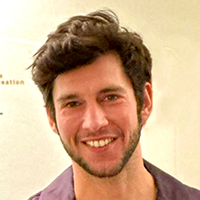
The New York Times publicly defended Saher Alghorra, its Gaza photojournalist who won a Pulitzer Prize for breaking news photography, after critics alleged that he staged scenes and had ties to Hamas. The newspaper called the accusations “baseless.”
Alghorra received the prestigious award for a series documenting destruction, displacement and hunger in the Gaza Strip during the war with Israel. The Pulitzer committee praised the “sensitive and compelling series” portraying the human toll of the conflict.
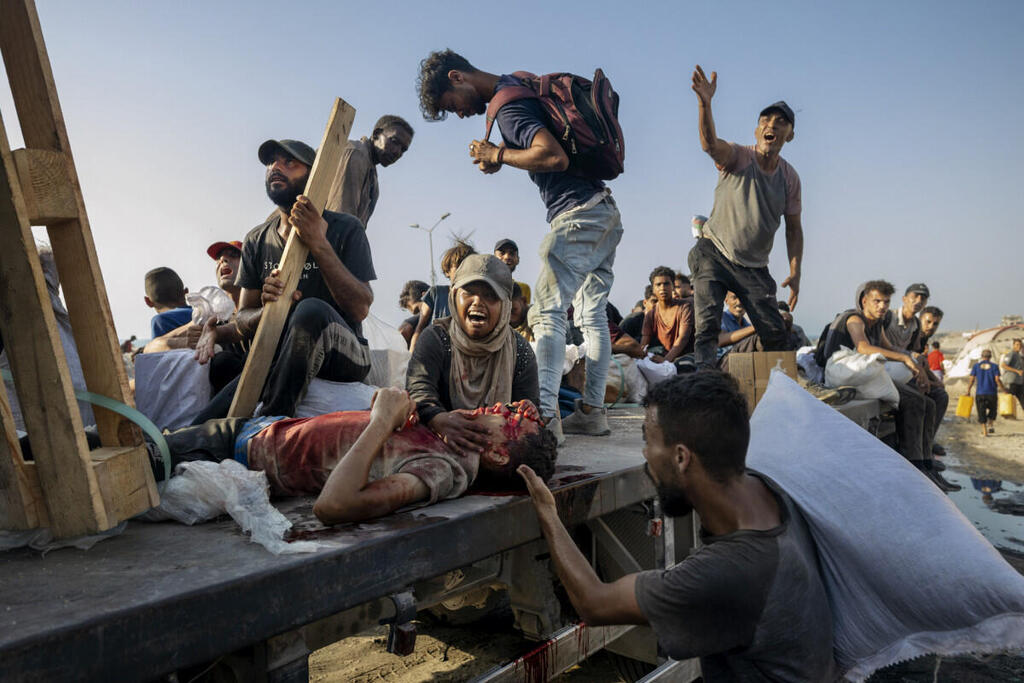
In a statement supporting him, Meaghan Looram, the Times’ director of photography, said Alghorra “is not merely documenting this war, he is also living through it himself” describing his work as courageous, immediate and essential visual reporting carried out under extreme danger.
She said he had “become a true visual correspondent,” producing images and video from the ground despite the risks and hardships of living through the conflict.
Alghorra’s recognition came alongside remarks at the Pulitzer ceremony highlighting the dangers faced by journalists in Gaza, where international media access remains heavily restricted.
Times executive editor Joe Kahn said Alghorra’s work represented “the culmination of a yearslong effort that intimately captures the emotional toll of that war,” noting he was unable to attend due to the conditions that made his reporting possible.
Gaia Tripoli, deputy international photography editor, said Alghorra, who has never left Gaza, documented the war while also enduring displacement, shortages and personal danger. She described scenes he captured of hunger, strikes and hostage-related events, adding that he “possessed all the essential qualities of a great photojournalist.”
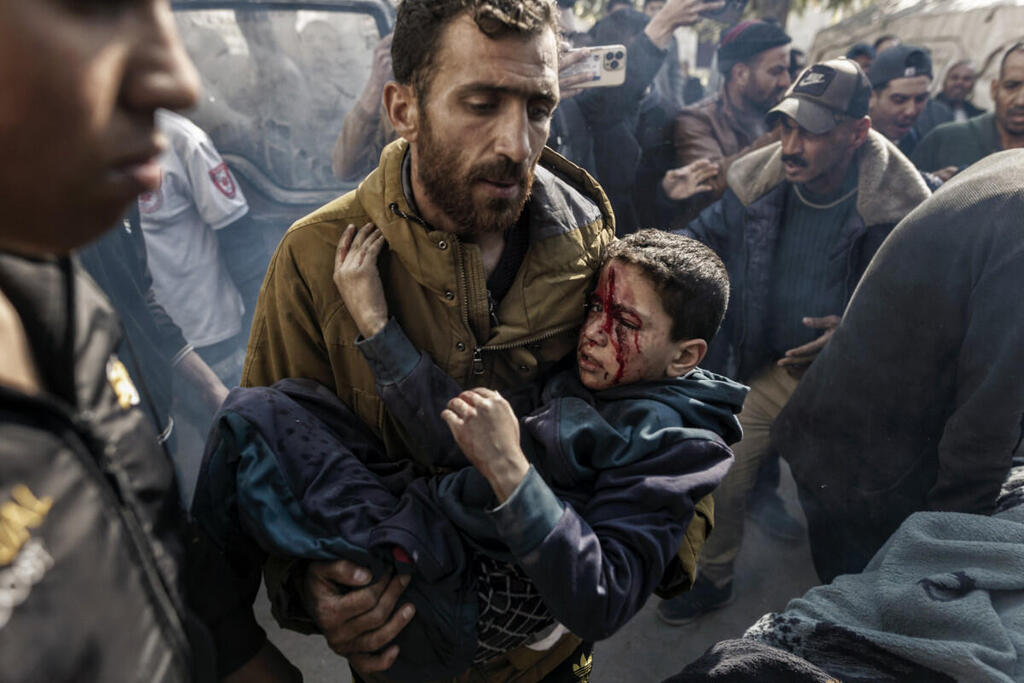
One of the works of Saher Alghorra
(Photo: Saher Alghorra)
Mona Boshnaq, his editor, read a statement from Alghorra saying he was proud of the recognition but pained that he could not be present, and recalling the deaths of more than 200 journalists in Gaza during the war.
Despite the praise received by the colleagues, there are media, watchdogs and commentators who have questioned aspects of his reporting and imagery.
The organization HonestReporting, which ultimately monitors the news for bias, inaccuracy and other breaches of journalistic standards towards Israel, argued that Alghorra’s work reflects a broader pattern in international journalism that it says amplifies Hamas-aligned narratives. It cited previous controversies, including a widely circulated 2025 image of a malnourished Palestinian child, later accompanied by clarification that the child had preexisting medical conditions affecting his appearance.
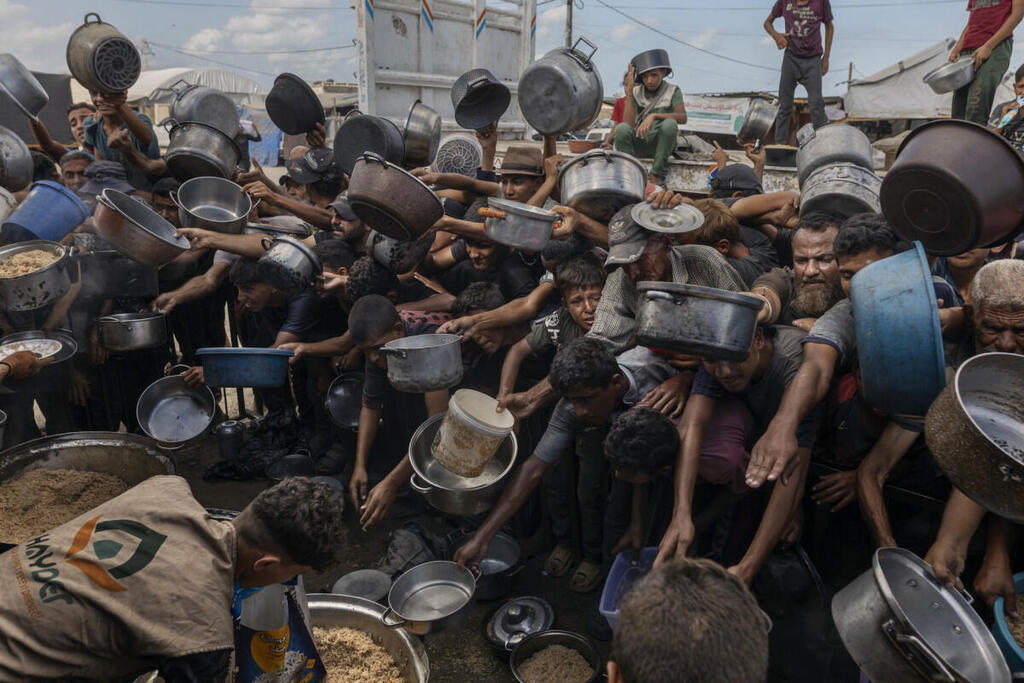
One of the works of Saher Alghorra
(Photo: Saher Alghorra)
Critics also questioned access and context in some of his most widely shared photographs, including images of starvation, displacement and Hamas activity. They argued that editorial selection can shape a narrative while omitting wider context such as medical conditions or the role of armed groups.
In response, the New York Times reiterated on X that Alghorra “has documented hundreds of starving and malnourished children in Gaza” and that allegations against his work are “baseless.” The Pulitzer jury, the paper said, described his photography as “a distinguished example of breaking news photography.”
The winning photograph by Saher Alghorra
(Photo: Saher Alghorra - The New York Times/Redux)
The debate intensified following the publication of Pulitzer-related remarks and accompanying criticism, with detractors alleging that some images lacked context or relied on selective framing. Supporters of Alghorra and the Times rejected those claims, pointing to the difficulty and danger of reporting from Gaza during active conflict.
At the Pulitzer ceremony, editors and colleagues emphasized the conditions under which Alghorra worked, describing him as living through displacement, shortages and repeated risk while continuing to report from the field.
The competing narratives underscore the broader disputes over war coverage, journalistic access and interpretation of visual reporting from Gaza, where verification and context remain heavily contested amid ongoing fighting.