

U.S. intelligence agencies have assessed that Iran emerged from the war in a stronger position by demonstrating an ability to disrupt the Strait of Hormuz, CNN reported Tuesday.
The assessment, according to CNN, casts doubt on President Donald Trump’s claim that a new memorandum of understanding (MoU) with Iran is a strong agreement. Critics say the deal leaves Tehran’s nuclear threat unresolved and gives Iran significant leverage.
Gallery
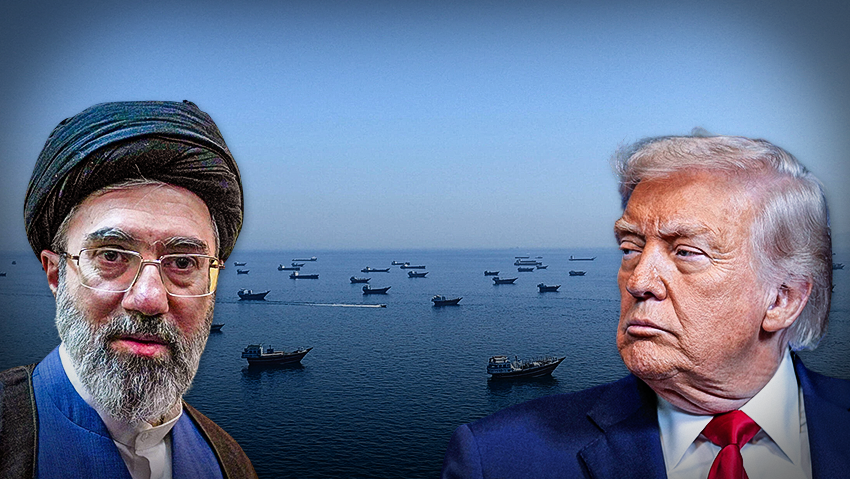
Iranian Supreme Leader Mojtaba Khamenei, US President Donald Trump
(Photo: Hamed Jafarnejad/ISNA/WANA (West Asia News Agency) via Reuters, AP/Alex Brandon, Reuters/Stringer)
The Strait of Hormuz, a narrow waterway between Iran and Oman, is one of the world’s most important oil routes, with about one-fifth of global oil consumption passing through it.
CNN reported that U.S. intelligence agencies believe Iran showed it can effectively block the strait and could do so again, despite Trump’s claims that the U.S. destroyed Iran’s navy. The report said Iran does not need a large navy to threaten shipping, because it can use drones, missiles and small boats to lay mines.
“We have now handed Iran de facto control over the strait – a weapon more powerful than any nuke,” one person familiar with the intelligence told CNN.
A second person familiar with the assessments said Iran also learned that asymmetric attacks against Gulf states give it an effective pressure tool. Gulf countries have since moved to improve ties with Tehran, a step some analysts have described as a form of protection payment.
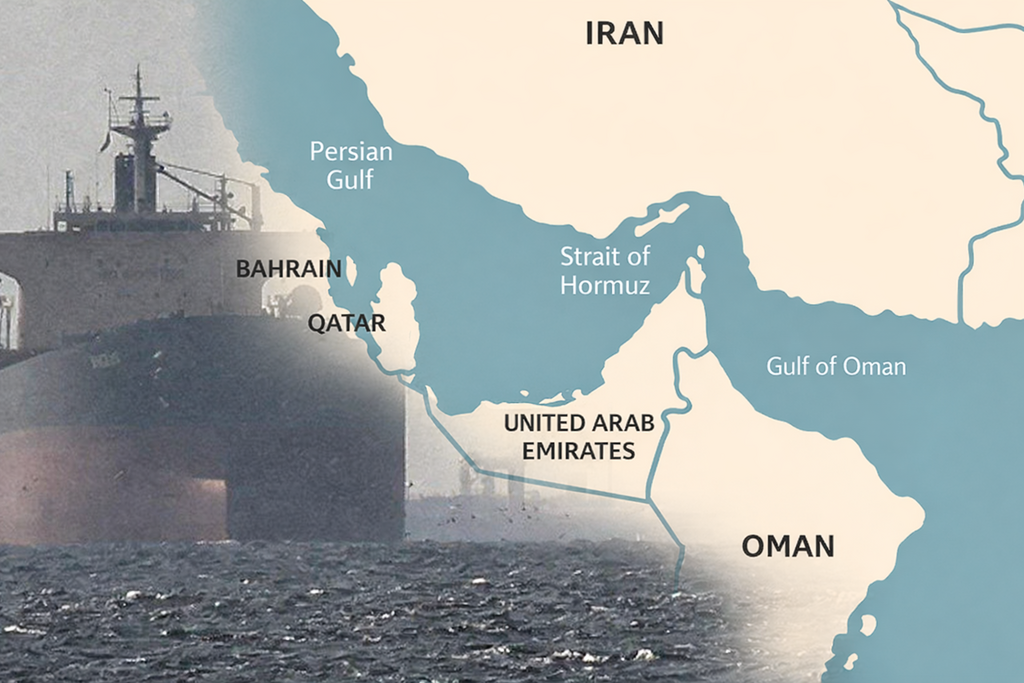
The MoU does not resolve the dispute over Iran’s nuclear program, instead deferring the issue to 60 days of future negotiations. It does call for the reopening of the strait, apparently without an Iranian fee on ships during the negotiating period. Trump and his aides have said the move will lower oil and gasoline prices, though the strait had been open before the war.
Under the memorandum, the United States is expected to lift its blockade of Iranian ports once the document is formally signed Friday in Switzerland. Iranian officials, however, have said the blockade has already effectively been lifted and that several Iranian tankers crossed the blockade line in the past day.
The Wall Street Journal reported Tuesday that Washington also agreed to grant Iran an immediate waiver from sanctions on its oil and fuel sales before nuclear talks begin.
The reported waiver would contradict previous statements from Trump and his aides that economic benefits for Iran would be tied to implementation of its commitments, especially progress toward a final nuclear deal.
People familiar with the matter told the Journal that the sanctions waiver would take effect immediately after the initial memorandum is signed. The relief would also cover banking, transportation and security services connected to Iranian oil sales.

The oil tanker Richmond Voyager, which Iran allegedly opened fire on according to the United States, in an incident in the Persian Gulf
A senior U.S. official told the Journal that Iran would receive immediate economic relief from oil sales, but that making the relief permanent would depend on Iran’s compliance with U.S. demands regarding Hormuz and its nuclear program.
The official said Iran would not yet gain access to tens of billions of dollars in frozen assets abroad, which Tehran has demanded during recent negotiations.
The full final text of the memorandum has not been released, and it remains unclear whether Iran will receive frozen funds during the 60-day nuclear negotiation period, which could be extended if no agreement is reached.
A U.S. official later confirmed parts of the Journal report to Reuters, saying Iran would be allowed to sell oil only if it complies with all provisions of the memorandum, including not disrupting shipping in the Strait of Hormuz.
United Against Nuclear Iran, a U.S.-based advocacy group, said an Iranian supertanker carrying crude oil sailed Tuesday from the port of Chabahar in southern Iran and crossed the U.S. blockade line out of the Gulf of Oman. The group said the vessel did so with its transponder on, marking the first such known crossing by an Iranian tanker since the U.S. blockade began in April.