


Iran is emerging from this war stronger, at least in the eyes of Arab countries, particularly the Gulf States. In their view, Iran has managed to withstand the world’s largest military power - the United States, and the Middle East’s strongest military power - Israel. As a result, they are doing what they know best: bending over backward to appease Tehran.
In recent times, Gulf states have been trying to draw closer to the Islamic Republic. Some have even released frozen Iranian funds and are also prepared to invest economically in rebuilding Iran. In the Middle East, this is referred to as “protection money” — payments in exchange for Tehran refraining from attacking them.
Worse still, alongside Iran’s strengthening position, there is also the rise of a bloc of hardline Sunni states consisting of Saudi Arabia, Qatar, Turkey and Pakistan. The latter played a central role in the ceasefire negotiations between the United States and Iran. This is another negative development from Israel’s perspective, as this bloc views Israel as a problematic actor.
What does this mean for Israel?
"Israel is stronger than ever, and Iran’s Axis of Evil is weaker than ever," Prime Minister Benjamin Netanyahu said Monday at a press conference. "If someone had told you at the beginning of the war that we would achieve everything I have detailed, and I haven't detailed everything – you would have said they were hallucinating. Just talk, just promises – no, we did all that. And today, after we have achieved all this, there are those who want to minimize it, to dismiss our tremendous achievements. And I tell you: we are going to achieve many more great things."
He added that: "We will continue to neutralize threats in the region, we will build new alliances with countries in the region and beyond. We will ensure our own domestic armament independence, this is another principle I established, and I am investing 350 billion NIS in that, as a supplement to the defense budget. We will develop technologies that break the boundaries of imagination, and we will turn Israel into an even stronger power. Because our strength is the key to our future, it is the key to our security, it is the key to our economy, it is the key to our alliances. Because alliances are made with the strong, and Israel today is a very strong country. It is strong thanks to you, citizens of Israel."
Despite Netanyahu’s pledge for new alliances, Israeli officials familiar with the matter assessed that there will be no significant developments in ties with Gulf states, at least until elections.
This is the current status
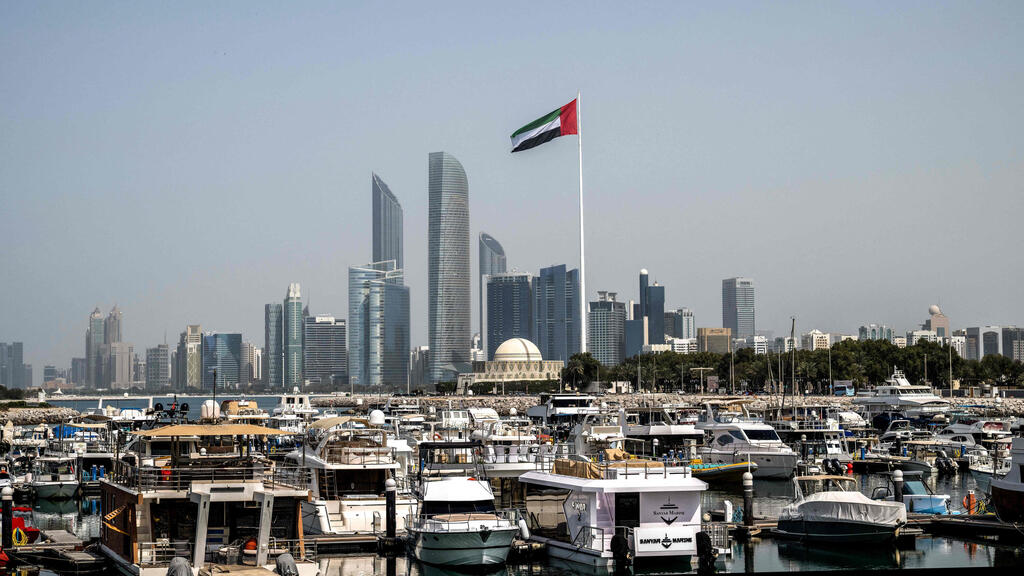
Israel’s ties with the United Arab Emirates have strengthened during the war. At the beginning of the conflict, Netanyahu visited Abu Dhabi, and Israel, according to foreign reports, supplied it with an Iron Dome battery. At the same time, however, the Gulf federation released Iranian funds in order to buy quiet.
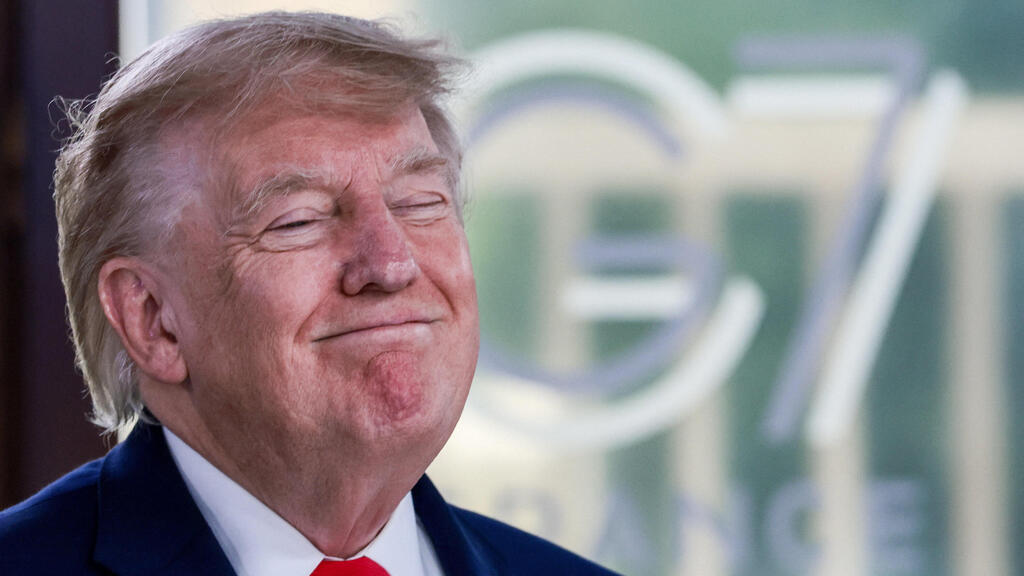
US President Donald Trump is trying to expand the Abraham Accords
(Photo: Evelyn Hockstein/Pool/Reuters)
Relations with Morocco are close. Bahrain currently carries little weight, resources or strategic significance, and Sudan is in a perpetual civil war. For years, there have been under-the-radar security contacts with Saudi Arabia, but Riyadh mainly purchases weapons from the United States.
U.S. President Donald Trump may seek to expand the Abraham Accords and try to push Arab and Muslim states toward normalization with Israel. Trump wants this as part of strengthening his legacy, but also possibly as compensation for Netanyahu following what he views as the humiliation of the war’s conclusion with Iran.
However, Trump may run into a solid wall of resistance. Expansion of the accords with Saudi Arabia is not currently on the agenda, and Turkey, Qatar and Pakistan are not interested in normalization. Regional officials said they have heard from leaders that as long as Netanyahu remains in power, normalization with Israel will not advance.
At present, the only country in a strong alliance with Israel is the United Arab Emirates, which also benefits from the relationship in terms of military and technological advancement. A regional official familiar with the matter said: “All the leaders in the region admire Israel, but they do not trust Bibi. Some despise the man and are shocked he has not been ousted. They are waiting for a time when they can make long-term, meaningful agreements with Israel.”
Another official said: “This is a world without values, and even the remaining values are for sale. A world of interests. Gulf states are protecting themselves. They bet that Iran would come out of this crisis on its feet, so they did not take sides — and still got hit by the Iranians. Now they are paying protection money to Iran. Relations with Israel will remain under the radar.”
A senior Israeli official noted that the war’s outcome will have negative implications for Israel: “We can completely forget about Hamas agreeing to disarm. The chances were slim anyway, but if Iran had been defeated, Hamas would have understood it was left alone. Now that the big patron has emerged stronger, anyone expecting the terror organization to disarm can forget it.”