

With most of the IDF’s attention focused on Iran, amid the ongoing escalation and the U.S. military’s preparations to carry out U.S. President Donald Trump’s threats to expand the strikes there, with the possibility that Israel could join the fighting, a senior officer is warning of a possible shortage of munitions and interceptor missiles.
“When we reach the next confrontation, we will reach it less prepared,” he told Calcalist. “We are in a major force-building failure that does not allow us to be ready and prepared for the next round. In the last war with Iran, there was no major destruction site in Tel Aviv, and I want that to remain the case in the next war with it as well,” the senior officer also said.
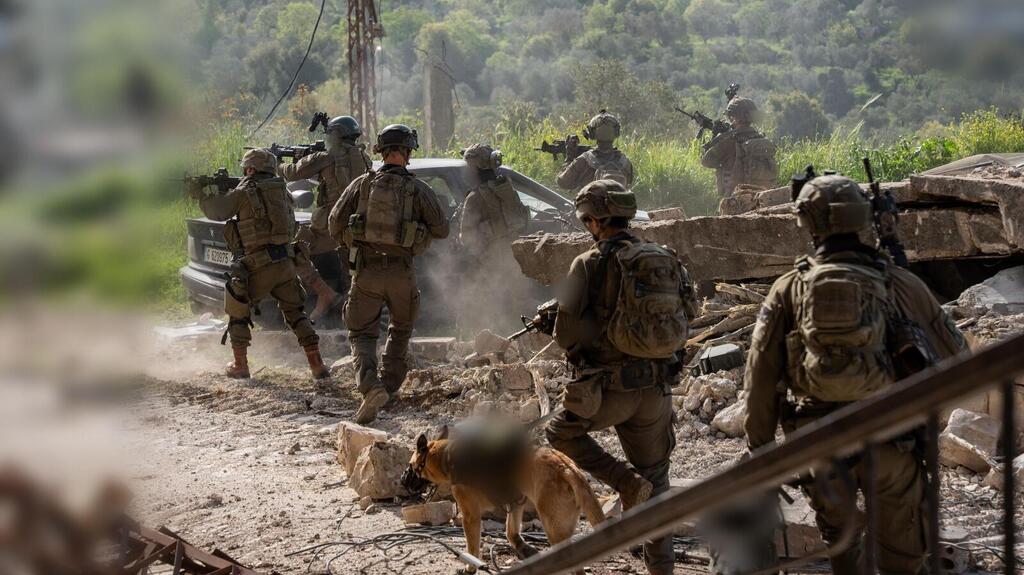
Behind the remarks is the ongoing dispute between the Defense and Finance ministries over the size of the 2026 defense budget. Although at the start of the month Prime Minister Benjamin Netanyahu approved a framework drawn up by the National Security Council under which the defense budget would immediately be increased by another 15 billion shekels (about $4.9 billion), the Defense Ministry is still waiting for the money.
Under the same framework, in October and November, teams from the National Security Council and the Defense and Finance ministries are to hold situation assessments that will examine the transfer of another 25 billion shekels (about $8.2 billion) needed, according to the defense establishment, to fund military activity on all fronts, including maintaining security zones in Lebanon, Gaza and Syria.
'We are missing opportunities'
The National Security Council framework also stipulated that the Defense Ministry and IDF would receive authorization to commit to future defense procurement totaling about 130 billion shekels (about $42.5 billion), based on a budget of 350 billion shekels (about $114.3 billion) that is supposed to be added to the defense budget baseline starting in 2027 and over the course of a decade. According to sources in the IDF and Defense Ministry, that agreement has also not yet been implemented.
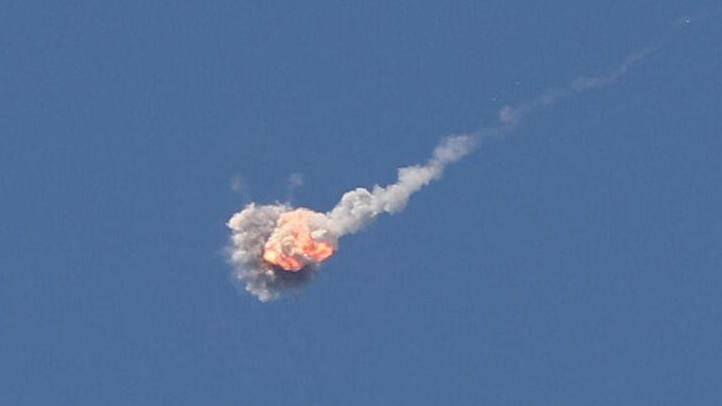
IDF warns it is short on interceptor missiles
(Photo: Jack Guez / AFP)
“The ministerial committee on procurement convened, sat for six hours, heard about all the procurement and acquisition plans and believes it is right to carry them out, but before that the numerator has to be increased," according to the senior military official. "I am a uniformed officer, and I do not understand numerators. What I do understand is that if I cannot make commitments to the various suppliers in Israel and abroad, the IDF’s warehouses and the various means it uses do not return to the required readiness after about 1,000 days of regional war. Every day that passes while this situation continues costs us in lack of readiness, when we are not overflowing with munitions and interceptor missiles for air defense systems. We are missing opportunities.”
The current size of the defense budget is 143 billion shekels, after it was increased by 22 billion shekels in early March following the second Iran war. Increasing it by about 40 billion shekels by the end of the year under the National Security Council framework would bring it to an unprecedented 183 billion shekels.
“In this long war, we have used about 100,000 aerial munitions, and we need more of them, as well as interceptors of various types, from Iron Dome for the lower layers of defense to Arrow 3 missiles. We also need ground munitions, since we will continue to be inside Lebanon at least until the end of the year, and we still do not know what will happen in the Gaza Strip and when. The situation is not good,” the senior officer told Calcalist.
“We are using force in the field, and in the meantime we are not placing new orders with the defense industries, so our ammunition stocks are constantly declining," he added. "The political echelon must roll up its sleeves and create a solution to this situation. After about 40 days of war together with the Americans in Iran, we are in a learning competition with it and in an arms race. Every morning we receive intelligence reports and learn from them what the other side is doing in terms of its munitions and platforms, and we understand that there is a crazy arms race here and the IDF is not in it, certainly not winning it. I am worried, because we are not at the point where we need to be. We are on a downward trend.”
Defense Ministry officials have also expressed frustration in recent days over the foot-dragging in allocating the budgets needed to launch new production orders with the defense industries. In the coming weeks, one company could close a production line for munitions needed by the IDF because of the inability to fund new orders.
“We are in exactly the same place we were on the eve of the National Security Council framework’s approval by the prime minister. As if there was no framework and as if there was no agreement. The Finance Ministry does whatever it wants, and we no longer know what the point is of reaching agreements with it,” one source said.
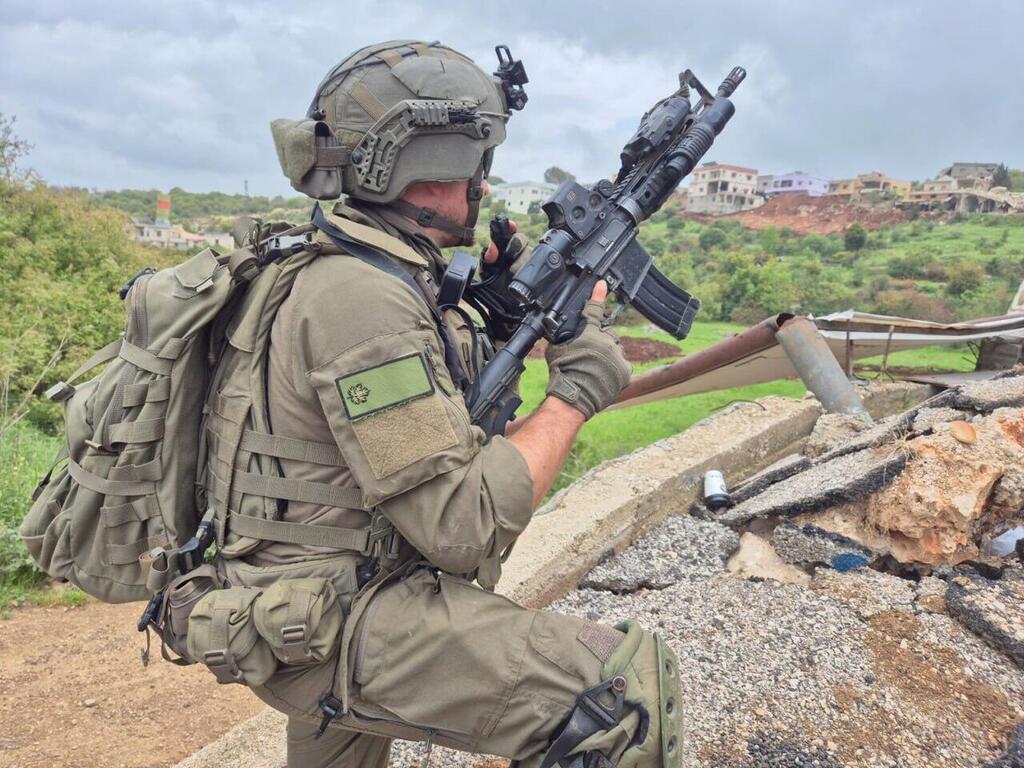
Each day of routine IDF activity in Gaza, Lebanon, Syria and the West Bank, costs the defense establishment-100-150 million
(Photo: IDF Spokesperson's Unit)
These distress signals do not impress the Finance Ministry, which insists that under cover of the prolonged war, the IDF and the defense establishment have lost all restraint and budgetary responsibility, repeatedly breaking every framework set for them. The Finance Ministry views the army’s demands with suspicion, demanding immediate efficiency measures and management of its priorities according to budget limits. Officials there argue that control over the size of the defense budget has been lost, that it has become a “black hole” swallowing tens of billions of shekels every year in recent years at the expense of education, health and welfare for Israeli citizens.
The defense establishment, for its part, directs Budget Department officials to the political echelon, which determines and dictates IDF activity across all fronts. Recently, it was estimated that each day of routine IDF activity in Gaza, Lebanon, Syria and the West Bank, alongside high alert ahead of a possible resumption of the war with Iran, costs the defense establishment between 100 million and 150 million shekels.
“We are not overreaching and we are not demanding luxuries,” the senior officer said, referring to the Finance Ministry’s claims of wastefulness and profligacy as a matter of practice. “Preparing the IDF for the next war means a great deal of AI, a field that is developing hour by hour, and we cannot purchase hardware components needed to develop various applications. The same is true of vital assets in space, which are especially needed in campaigns in distant arenas such as Iran and Yemen.”
One of the situations arising from the defense establishment and IDF’s ongoing budgetary pressure is a significant blow to the timelines for receiving combat platforms such as transport helicopters and attack helicopters purchased from U.S. industries.
Unprecedented global demand for weapons is burdening all production lines in the world’s defense industries, and beyond the budgets needed to fund procurement programs, the timing of sending orders to them is considered critical because they compete with orders from other countries for their place in the production process.
According to the defense establishment, any delay on the matter could lead to yearslong delays in delivery and much higher financial costs. “We are in a war unlike any we have been in. We have neither time nor extra money, and we must jump on every slot that opens for us at one of the American companies,” a senior defense official involved in the matter recently told Calcalist.
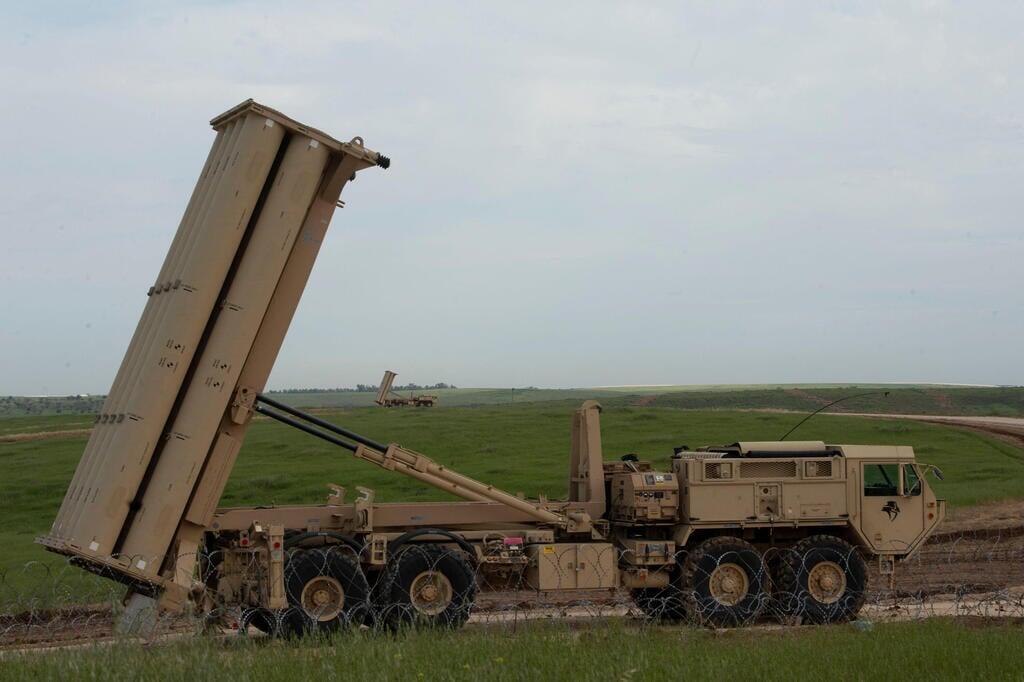
THAAD missile defense system
(Photo: AFP / HANDOUT / DVIDS / US ARMY)
Added to all this is the uncertainty over developments in the West Bank, which in recent weeks have reached a new boiling point and forced the IDF to reinforce its forces in the sector out of concern over a broader flare-up. In the background are escalating frictions between Israelis and Palestinians, alongside a rise in Jewish nationalist crime. The IDF’s attempt to cool the area and avoid opening another high-intensity fighting front is costing it about 25 battalions operating throughout the West Bank.
The additional front burdening the IDF
Not only would an entanglement in the West Bank create additional needs that would further increase the defense budget, the army does not have enough soldiers for it. That is while the reserve system has been eroded since the outbreak of the October 7 war, with reservists called up for periods of dozens of days in each round and already having served hundreds of days in the reserves. In the background is also the draft evasion by the Haredim, who refuse to enlist even though the army is short about 15,000 soldiers each year, most of them combat troops and combat support soldiers.
But Finance Minister Bezalel Smotrich, whose ministry is delaying budgets urgently needed by the defense establishment, chooses to make light of Jewish nationalist crime in the West Bank, which could set the area ablaze and require the IDF to devote many additional resources. At the National Security Conference of the Yedioth Ahronoth Group and the Institute for National Security Studies, he claimed: “Statistically, there is the least violence among the settlers in Judea and Samaria. There are no residents who provoke; that is a lie. There is a false campaign, just as there is violence on the beach in Tel Aviv.”
Senior Finance Ministry officials, responding to the senior officer’s remarks, said the amount set as an addition to the defense budget would be transferred in the coming days. They claimed that “the Defense Ministry’s independent budget management is conducted not according to the law and binding rules, in a way that makes it very difficult for the state to transfer enormous budgets within days. Professional officials from the defense establishment and the Finance Ministry are making the required adjustments on the matter.”