


Following a new government directive, IDF commanders on Saturday received orders limiting them to defensive operations only in Lebanon. Under the instructions, troops may open fire solely in response to an immediate threat unless they receive explicit authorization from IDF Chief of Staff Lt. Gen. Eyal Zamir, two Israeli officials told The New York Times.
According to the officials, the new orders also explicitly prohibit IDF soldiers from firing warning shots at civilians attempting to return to southern Lebanon unless they come too close to Israeli forces.
Gallery
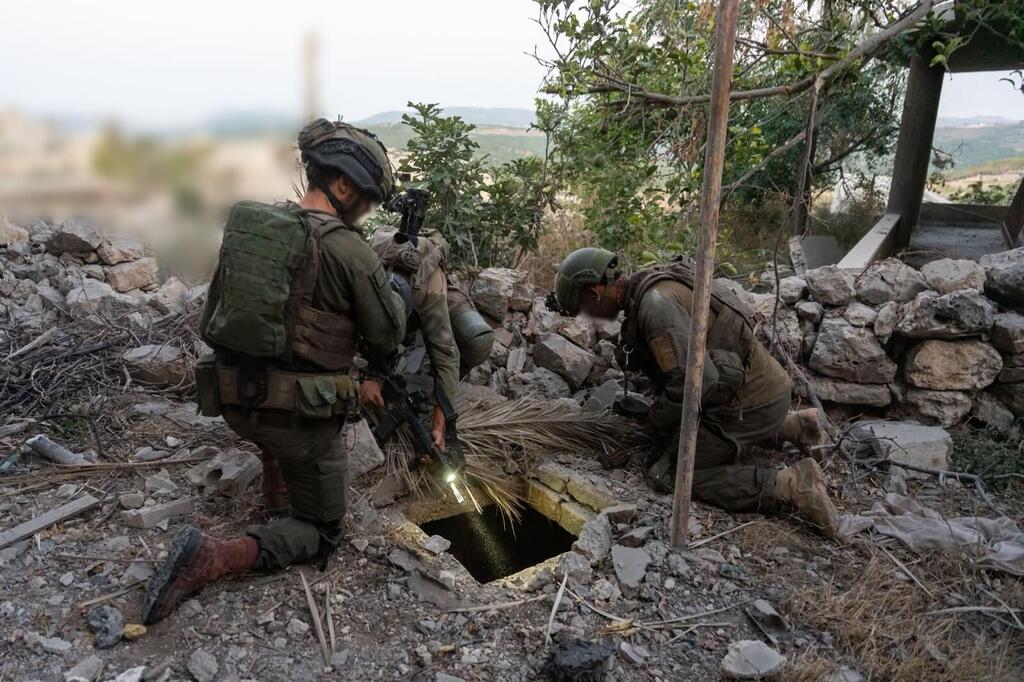
IDF commanders received orders limiting them to defensive operations only in Lebanon
(Photo: IDF Spokesperson)
The officials added that the guidelines bar troops from demolishing homes and other infrastructure within the security zone using explosives without the chief of staff’s approval, effectively bringing such activity to a halt. The IDF Spokesperson’s Unit did not respond to the Times’ request for comment.
Over the weekend, a political source briefed reporters on the decision to halt fighting in Lebanon, while the United States again announced a ceasefire. The directive passed down to the military came after news emerged of the tank disaster and the names of the fallen soldiers. It raised concerns and questions among troops on the ground, even as Prime Minister Benjamin Netanyahu reiterated Monday that “our fighters in southern Lebanon have full freedom of action to thwart any threat, direct or emerging, against themselves or the residents of northern Israel.”
Master Sgt. (res.) A., who serves in the 98th Division, left Lebanon last Wednesday and is due to return this week. Throughout the war, he has completed three deployments in Lebanon, including the current one, which began about six weeks ago and is expected to end in roughly two weeks.
“Our mission is to push Hezbollah’s line farther away from the residents of northern Israel. That way, if Hezbollah fires at us, we take the hit and not the people living in the north,” he said.
At the same time, he described what he sees as a lack of operational freedom on the ground.
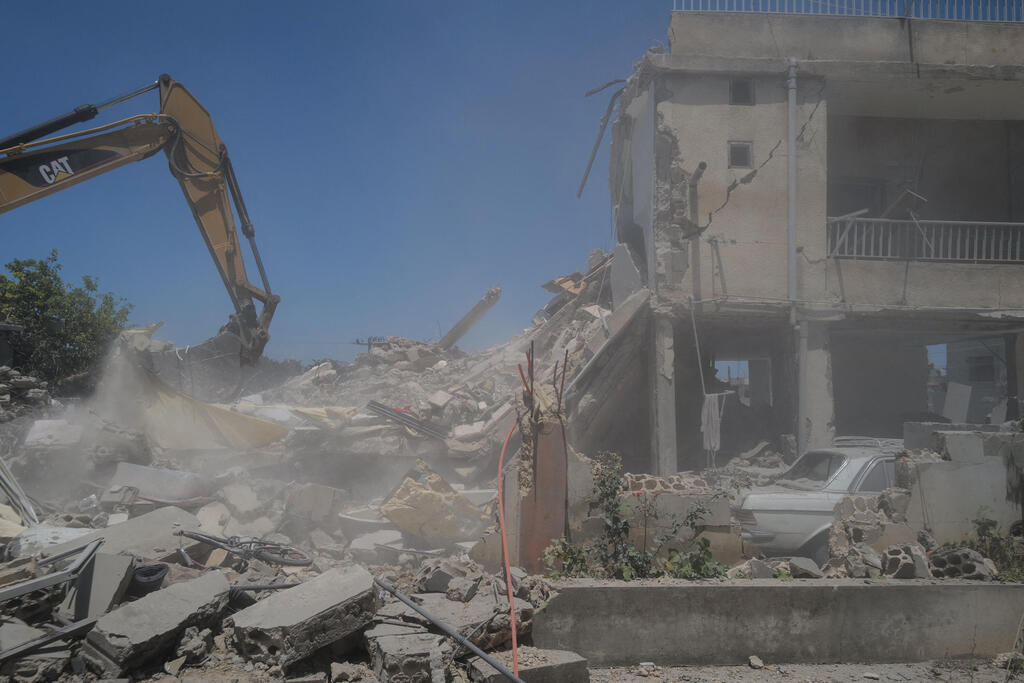
Ruins in Tyre after the IDF attack
(Photo: REUTERS/Zohra Bensemra)
“We had a conversation with our battalion commander and told him we feel like we’re not doing anything meaningful that we should be doing,” he said. “We have cameras around the compound where we’re stationed. We watch who’s approaching us and stand guard over ourselves. In practice, we’re securing the sector more than operating in it.”
“I do what needs to be done. We’re soldiers and we carry out orders. But it’s frustrating and infuriating. It feels like we’re part of some game being played by the political echelon and decision-makers. We’re the ones at the tip of the spear, yet it doesn’t feel like we’re doing what we’re supposed to do. We want missions. We want to eliminate terrorists. Instead, we remain inside a compound that once belonged to a Lebanese resident who left southern Lebanon, covering it with netting purely for defense so drones can’t get inside.
“We’re on the defensive only right now. We’re not allowed to move around during the day because that’s when the drones are active. There are drones at night too, but fewer. Sometimes we get nighttime missions, such as raids to search for Hezbollah launchers, or we fire toward the nearest village so people understand we’re here and stay away. But we’re not advancing, pushing them back farther, and doing what we came here to do.”
Speaking about his concerns ahead of returning to Lebanon, he said: “Out of all my deployments — and I’ve had many — this is the one I’m most worried about. There were nights when reports came in that drones were overhead, and I found myself jumping out of a Humvee, diving into the bushes and praying it wouldn’t reach me. It’s a terrible feeling of helplessness — the most helpless I’ve ever felt in my life. All you can do is pray it doesn’t hit you.”
A. also described what he called the IDF’s inadequate response to the threat posed by FPV drones.
“We have soccer nets and banana plantation netting. That’s our protection. When a drone drops a bomb, the net deflects it and it gets caught, preventing it from exploding. But Hezbollah doesn’t waste drones. They won’t send one if they see netting. They look for targets — unprotected, exposed soldiers. We’re stationed at the location that gets hit by the most drones, near the coast, because that’s where it’s easiest for the terrorists to navigate them.”
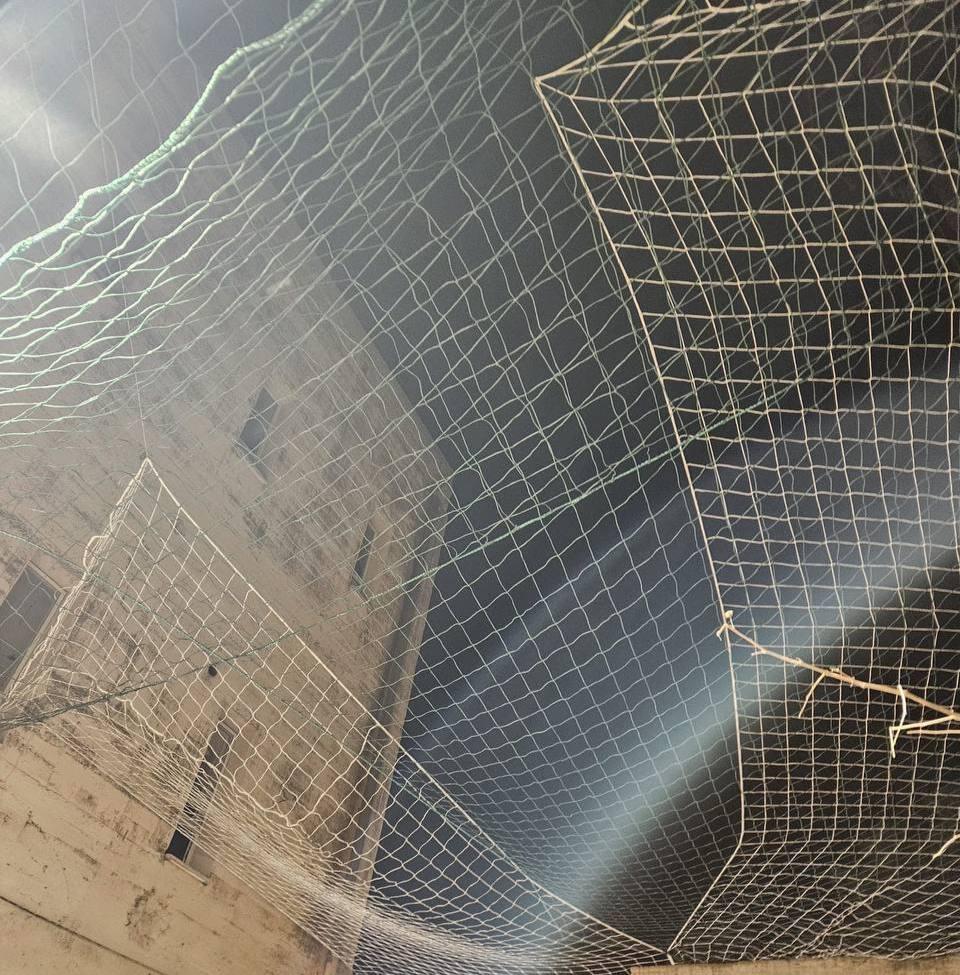
'We have soccer nets and banana plantation netting'
Master Sgt. (res.) E., a soldier in the 7th Brigade, has completed five reserve tours during the war, including two deployments in Lebanon totaling about six months. He has served more than 360 days in reserve duty, with his most recent deployment ending earlier this month.
“We have a historic and critical window of opportunity, and we can’t afford to miss it,” he told ynet. “Our generation understands that, and we came to finish the mission — we just need to be allowed to finish it. We want to end this once and for all, not pass it on to the next generation. That’s where the frustration over the ceasefire comes from.”
“It’s incredibly frustrating. You try to be patient, but it’s the same feeling I had during the ceasefire after my first deployment in Lebanon. There’s a lot of anger and frustration that everything we’ve done could end up being for nothing.”
Asked about concerns among reservists, he said: “People are worried about what comes next. What does this mean going forward? Was everything for nothing? Did our friends fall in vain? Are we staying there as a security buffer zone, or are we pulling back? You can’t fight forever, but if we leave, we’re inviting the next massacre.”
He added: “We’ve had no shortage of incidents involving wounded and fallen soldiers. We’ve paid a heavy price, and we need to prove worthy of that sacrifice. These are human lives. It’s unbearable. If I’m sent to the front line knowing I could lose my life, I do it for something bigger — the people, the country and the future of all our children. But if everything I do is reversed two months later, it raises questions. What am I supposed to think before the next deployment?”
He said those doubts were not new.
“For quite some time there was a sense that the army wasn’t pushing forward enough, wasn’t doing enough. I had conversations with commanders about it. I told them we need to seek contact with the enemy and not be afraid of it — that’s what we’re fighters for. I felt like I was being strung along. Even during my last deployment, we didn’t have full latitude to carry out the mission properly. It creates doubt and frustration. So what exactly are we doing here? Showing presence or carrying out a mission? Are we here for appearances, like a scarecrow, or to remove the threat?”