


Israeli officials said Friday there is "cautious optimism" that a deal for the release of hostages held in Gaza is nearing, following an overnight meeting of the Security Cabinet.
According to officials familiar with the discussions, Prime Minister Benjamin Netanyahu showed significant flexibility regarding IDF withdrawal maps, and the next move now rests with Hamas and its response to the proposal presented.
Gallery

Prime Minister Benjamin Netanyahu, US President Donald Trump
(Photo: REUTERS/Brian Snyder, J. Scott Applewhite/AP, Dana Kopel)
During a call Thursday with Pope Leo XIV, Netanyahu confirmed that negotiations are advancing and that both sides are edging closer to an agreement. He told the Pope he was working to secure the hostages' release as quickly as possible. The conversation, prompted by an incident in which shell fragments struck a church in Gaza, was described as positive, and the two agreed to remain in close contact and collaborate going forward. Netanyahu also invited the Pope to support the emerging deal.
The Israeli negotiating team currently stationed in Doha will remain there through the Sabbath, awaiting Hamas' formal reply. The timing of any potential deal, possibly as soon as next week, hinges on that response.
Get the Ynetnews app on your smartphone: Google Play: https://bit.ly/4eJ37pE | Apple App Store: https://bit.ly/3ZL7iNv
Israeli sources confirmed reports that substantial progress had been made on the controversial issue of the IDF's withdrawal plans. Netanyahu reportedly agreed to drop demands related to the Morag Corridor in southern Gaza, aligning more closely with Hamas’ position.
Negotiators are now focusing on the next contentious issue: the release of Palestinian prisoners. Discussions are ongoing regarding who will be freed, with Hamas insisting on the inclusion of high-profile figures such as Marwan Barghouti and Ahmad Sa’adat, both serving multiple life sentences for the murder of dozens of Israelis. However, Israel has repeatedly ruled out Barghouti’s release throughout the war.
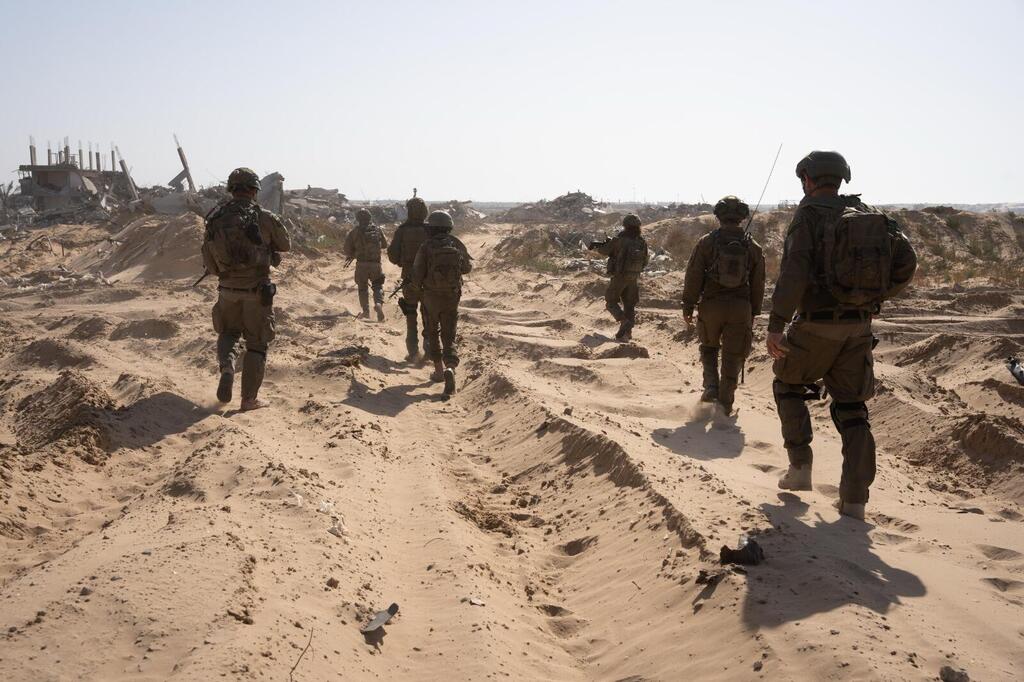
IDF forces in southern Gaza Morag Corridor
(Photo: IDF)
U.S. envoy Steve Witkoff has yet to decide whether he will travel to Doha, indicating that negotiations are likely to continue for several more days before requiring American mediation.
Meanwhile, political developments in Israel may be impacting the dynamic. Sources said the resignation of the ultra-Orthodox Shas party from the coalition, effectively turning Netanyahu’s government into a minority, increases the chances of a deal. “Netanyahu has little to lose,” one official remarked. “He’s essentially in election mode and needs to appear as the heroic leader who rescues the hostages.”
Other insiders noted that Hamas is willing to move forward with a partial deal due to assurances it received from U.S. President Donald Trump regarding an eventual end to the war.