

Arab media outlets reported in recent days that Qatar may become involved in future talks between Israel and Lebanon, as the United States continues efforts to stabilize the border and prevent renewed escalation with Hezbollah.
The reported Qatari role would be separate from the direct U.S.-mediated talks between Israel and Lebanon, whose fifth round resumed Tuesday in Washington. The reports come against the backdrop of the agreement between the United States and Iran, in which Qatar was also involved as a mediator.
Gallery
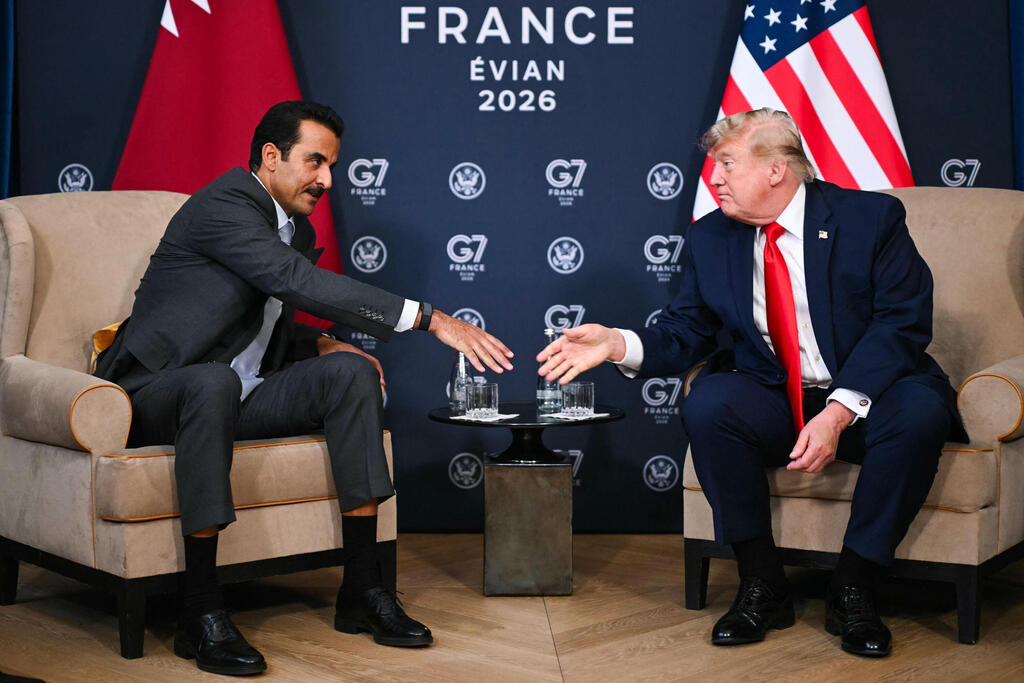
US President Donald Trump meets with Qatari Emir Tamim bin Hamad Al Thani in Evian, France
(Photo: Mandel NGAN / AFP)
Lebanese newspaper Al-Akhbar, which is affiliated with Hezbollah, reported Tuesday that an initiative proposed by Qatar was approved during talks in Switzerland. According to the report, Doha would mediate indirect negotiations between Israel and Hezbollah, while also keeping Lebanon’s official government involved, with the goal of reaching a stable, long-term ceasefire. The report said France and the United Nations would not be part of that channel. It claimed Qatar had held contacts with Lebanese Parliament Speaker Nabih Berri, Hezbollah and Saudi Arabia before presenting the details to the United States. After Washington approved the plan, Israel was updated, the newspaper said, adding that Israel “does not feel comfortable with this path.”
The report also claimed Qatar used the Iranian-American negotiation channel to pressure Israel to join the initiative, and updated Lebanese President Joseph Aoun so he would not obstruct it. A separate report by Lebanese channel Al Jadeed described the matter differently. According to the channel, Qatar would mediate between Israel and the Lebanese state, in coordination with the United States, as part of a mechanism proposed during the Switzerland talks. The report said Qatar would work to reduce tensions and would coordinate with Saudi Arabia, while the withdrawal mechanism would be discussed in Washington.
According to Al Jadeed, Aoun was updated in a three-way call with American and Qatari representatives, during which he was told that the Lebanese issue was part of the broader negotiations between the United States and Iran. Aoun said Tuesday that Lebanon would welcome assistance to end the war, but would not accept foreign interference in its internal affairs. “We welcome any assistance to end the war, but we distinguish between assistance and interference in our internal affairs,” he said. “We are a sovereign state, and no one negotiates on our behalf.”
Qatar has previously been involved in Lebanon, but the reports suggest its role could expand into mediation. For Israel, any Qatari involvement is sensitive because of Doha’s years-long role in Gaza, where it mediated with Hamas and transferred funds into the enclave with Israeli approval. In Israel, that policy is now widely criticized as having helped strengthen Hamas before the October 7 massacre.
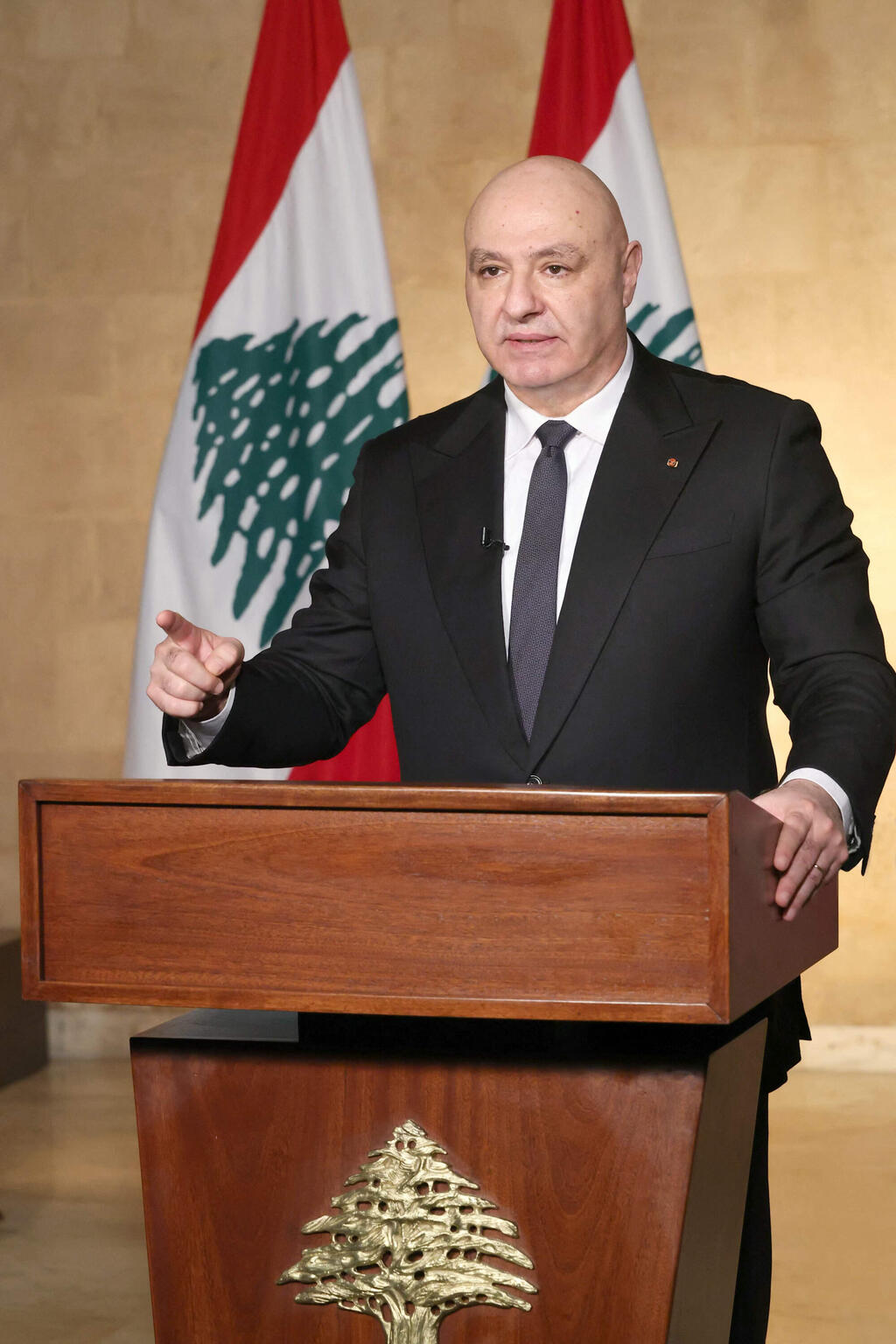
Lebanese President Joseph Aoun
(Photo: AFP PHOTO / LEBANESE PRESIDENCY)
Dr. Yoel Guzansky, a former Israeli National Security Council official and now a senior researcher and head of the Gulf Program at the Institute for National Security Studies, said the United States is the actor pushing Qatar into the Lebanese arena. “The Qataris are coming in with their mediation capabilities and their money, but someone is telling them to come in,” Guzansky said. “Every time we complain about Qatar, we need to understand that behind it stands the White House, with its own interests.”
Guzansky said Qatar’s interests in Lebanon may be different from its role in Gaza. “I think that specifically in Lebanon, Qatar’s interest aligns with Israel’s, because it is against Hezbollah and wants to strengthen Lebanon’s sovereign government and President Joseph Aoun,” he said. “There is no need to shout every time we hear the name Qatar. We need to examine whether there are places where it aligns with our interests and act accordingly.”
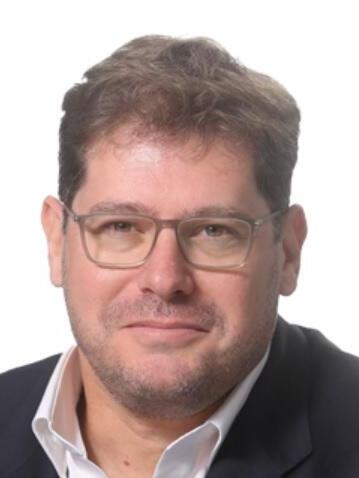 Dr. Yoel GuzanskyPhoto: INSS
At the same time, Guzansky said any Qatari financial role must be closely monitored to ensure that funds do not reach Hezbollah or other hostile actors. “That needs to be monitored,” he said. “Everything must be coordinated and transparent with the United States. If the money goes to places that are good for us, such as the Lebanese government, the Lebanese army and the Lebanese economy, then that is fine. Israel has an interest in strengthening the Lebanese state because it is a zero-sum game. It grows stronger at Hezbollah’s expense. At the same time, it must be monitored, because it is not certain the Americans are doing this properly.”