


Gaza is effectively divided in two as Hamas terrorists strengthen their rule in areas beyond Israeli military control, even as the world focuses on Monday’s UN Security Council vote on a stabilization force. West of what the IDF call the yellow line, the terror group continues governing Palestinian-populated sections of the strip, collects taxes and oversees humanitarian aid entering the area, according to UN officials.
Residents say prices have surged as Hamas resumed taxing goods entering Gaza, especially cigarettes, tobacco and frozen products. “Instead of thanking us, the civilians, who endured two years of one of the hardest wars and offering us help, they are contributing to price hikes with their measures,” Ahmad of Gaza City told the Saudi daily Asharq Al-Awsat.
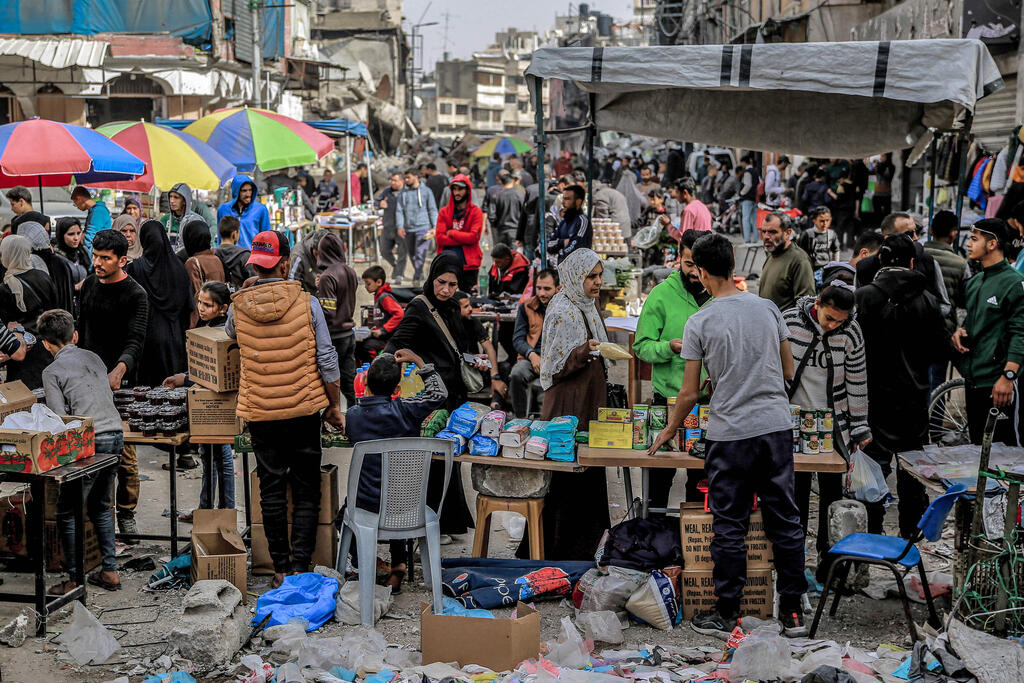
The paper reported that cigarette prices have doubled compared to before the war. Packs that once cost between eight and 20 shekels rose sharply during the fighting, then briefly dropped after the ceasefire. With Hamas taxes reinstated, prices have jumped again to 40 shekels or more. A local merchant said Hamas was unable to tax smuggled goods during the war but has since resumed doing so, making purchases difficult. “Some people are buying one cigarette a day instead of a pack,” he said.
Following the Oct. 10 ceasefire and partial Israeli withdrawal, Hamas terrorists redeployed across Gaza’s streets to restore order after months of chaos. Although Hamas brought devastation to the strip, some residents say the group has reduced crime and looting. “Even among people who oppose Hamas, security is something people want,” Hazem Sarour, a Gaza businessman, told the Wall Street Journal. “We had a collapse of security with theft and lawlessness. No one could stop it except Hamas.”
The UN Office for the Coordination of Humanitarian Affairs said looting of aid shipments has dropped sharply. It reported that Hamas police are working to “prevent crime,” resulting in only 5 percent of aid shipments being looted, compared with more than 80 percent before the ceasefire.
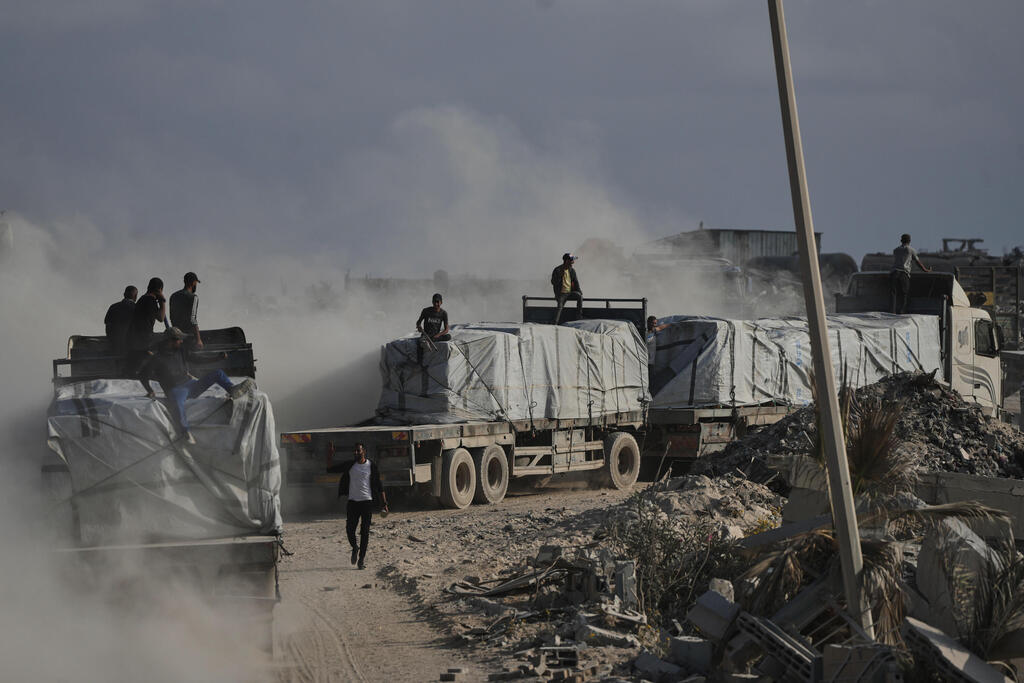
(Photo: AP Photo/Jehad Alshrafi)
Further signs of Hamas consolidating control appeared in a report by the Qatari daily Al-Araby Al-Jadeed, which said several Gaza banks reopened after months of closure during the war. ATMs, however, remain shut, leaving residents unable to withdraw or deposit cash. Five of 10 banks affiliated with the Palestinian Monetary Authority have resumed limited operations since Oct. 19. International estimates put Gaza’s financial recovery at about $42 million, but the main challenge remains delivering cash to branches and ATMs.
The second stage of U.S. President Donald Trump’s plan for the strip — which includes dismantling Hamas’ military capabilities — remains stalled. Palestinian analysts and some Gaza residents say Hamas is rehabilitating its image among Palestinians and tightening its hold on roughly half the territory, where Israeli forces no longer operate. Some residents view the group as “pragmatic” because it maintains basic living conditions in the absence of alternatives.
Hamas controls about 47 percent of the strip west of the yellow line, according to assessments, while the remaining 53 percent is under Israeli control. Nearly all of Gaza’s almost two million residents live in areas run by Hamas. Western officials recently warned that a lack of progress in Trump’s plan could lead to “years of separation.” Palestinian pollster Khalil Shikaki said the war convinced many Gazans that Israel had not defeated Hamas. “It is not going to disappear tomorrow. We need to live with that fact,” he said.
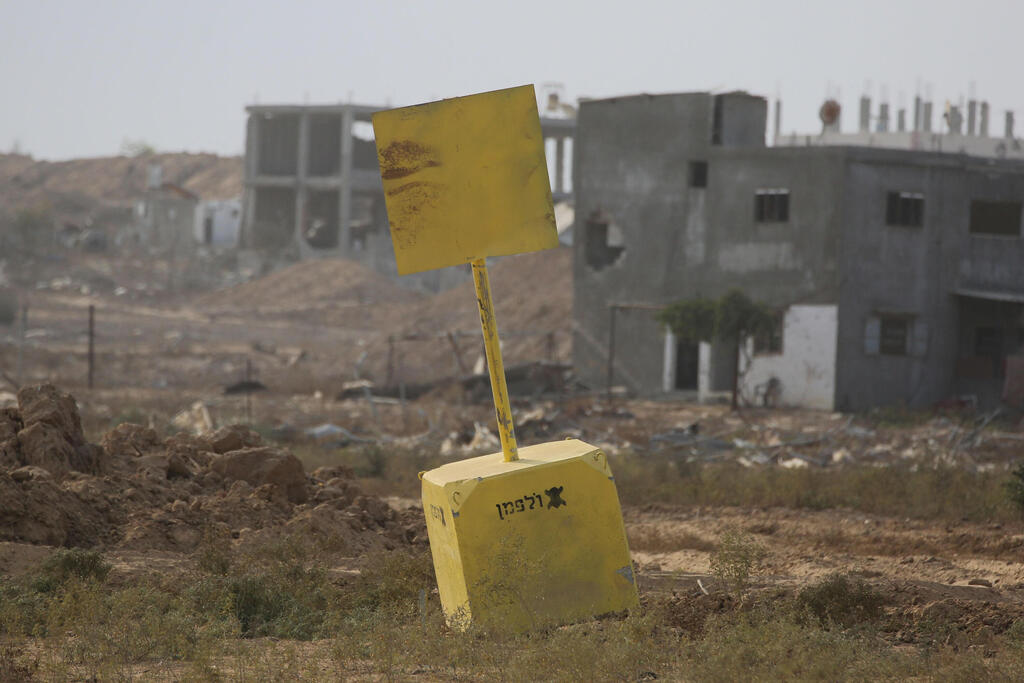
(Photo: Bashar Taleb / AFP)
The next stage of the Trump plan calls for further Israeli withdrawal from the yellow line, creation of a temporary crossing authority under a Peace Council, deployment of a multinational stabilization force and disarming Hamas. But no timetable or mechanisms have been set. Hamas refuses to give up its weapons, Israel opposes Palestinian Authority involvement and questions remain about the proposed stabilization force.
Three slain Israeli hostages are still held in Gaza. Their return is part of Phase A of the agreement between Israel and Hamas. For more than a month the IDF has continued destroying tunnels east of the yellow line. On Sunday, IDF Chief of Staff Lt. Gen. Eyal Zamir warned during a visit to Rafah that the army must be ready for a rapid expansion of ground operations if needed. “We must be prepared to move quickly to a broad offensive to seize territory in the Gaza Strip beyond the yellow line,” he said.
Zamir added that dismantling Hamas’ military infrastructure will continue “whether by agreement or by military action,” even if it takes time.