

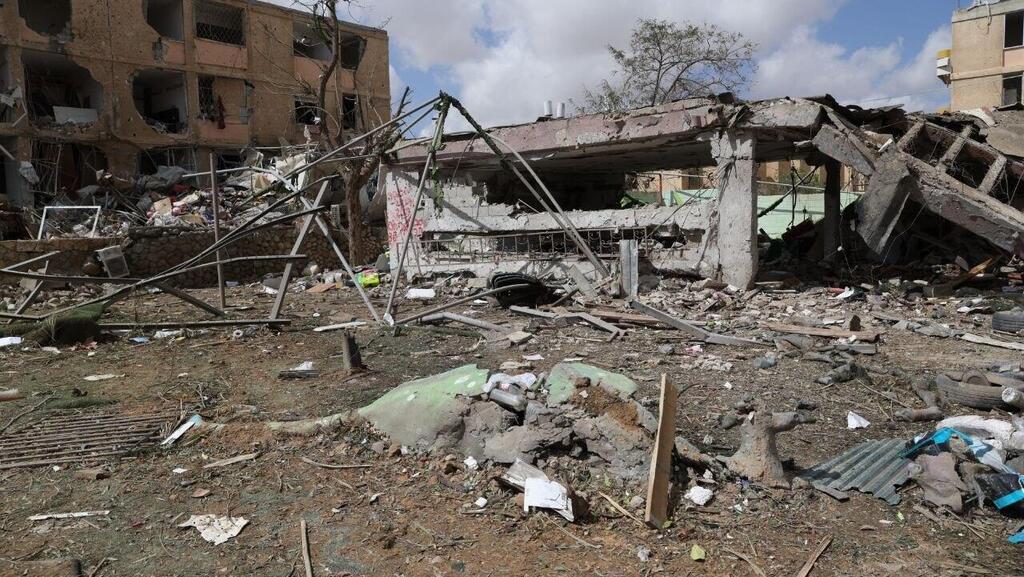
Residents of the southern Israeli cities of Dimona and Arad awoke Sunday to widespread destruction after an Iranian missile attack the night before, as hundreds were displaced and hospitals treated a surge of wounded, many of them children.
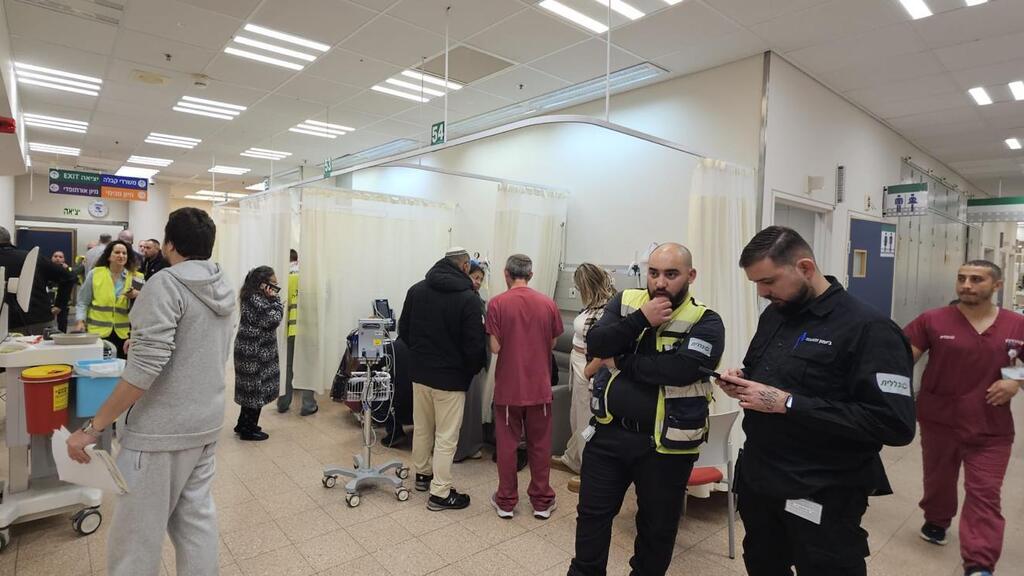
A ballistic missile that evaded interception struck a residential building in Dimona, followed by another direct hit in Arad. At Soroka Medical Center in Be'er Sheva, 191 people were treated, including about 70 children. Six patients remained in intensive care, among them a 12-year-old boy in serious condition who underwent surgery overnight.
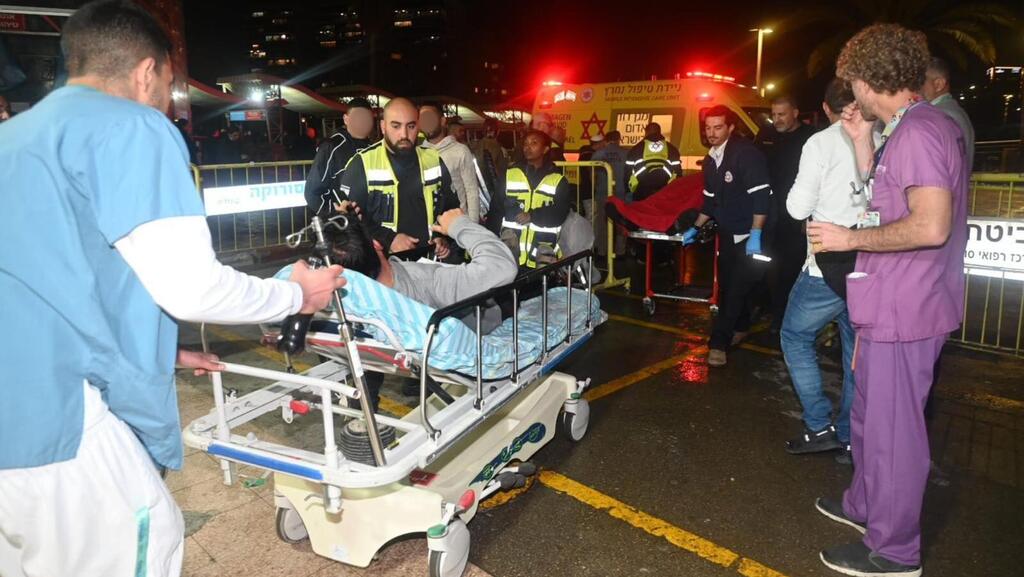
About 190 wounded people were rushed to Soroka in a single evening, around 70 of them children
(Photo: Soroka medical center)
“It’s something you remember forever — the children arriving in the arms of medical staff, injured and bleeding, without their parents,” said Prof. Dan Schvartzfuchs, head of the emergency department. “A mass-casualty event is chaotic by definition. The challenge is to turn that chaos into organized chaos.”
In Dimona, 485 residents were evacuated to a Dead Sea hotel after dozens of homes were damaged, with one building slated for demolition. In Arad, about 900 residents left their homes, roughly 400 relocated by the municipality while others sought shelter with relatives in Jerusalem and Beersheba.
Amid the destruction, some residents expressed shock while others said the strike felt inevitable.
“I would have been surprised if it hadn’t reached Dimona,” said Dudu Azran, whose home was completely destroyed. Sifting through the rubble, he found his wife’s wedding ring.
“They won't defeat us with 300 kilograms of explosives,” he said. “We’ll build anew.”
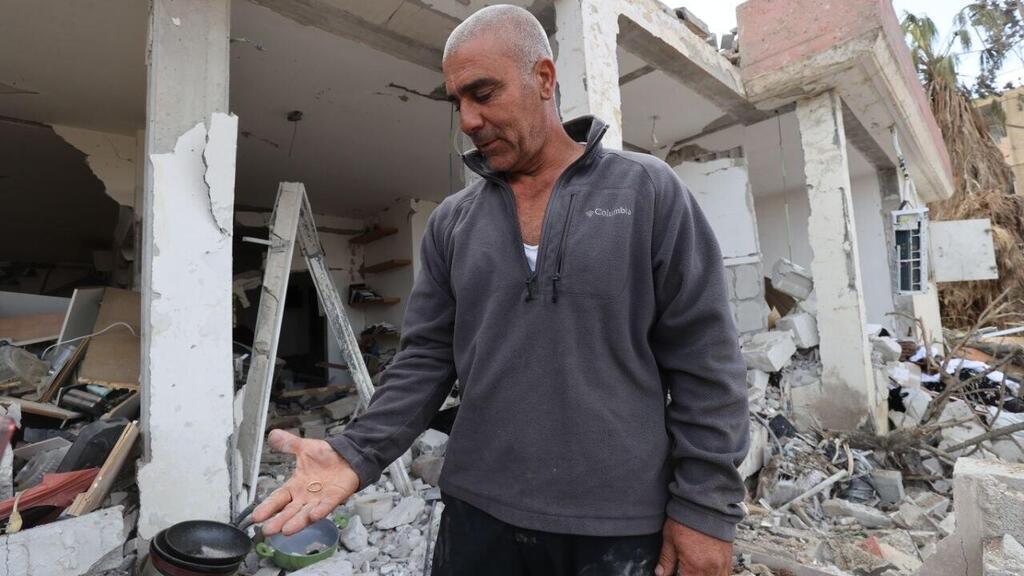
Dudu Azran and his wife’s engagement ring
(Photo: Alex Kolomoisky)
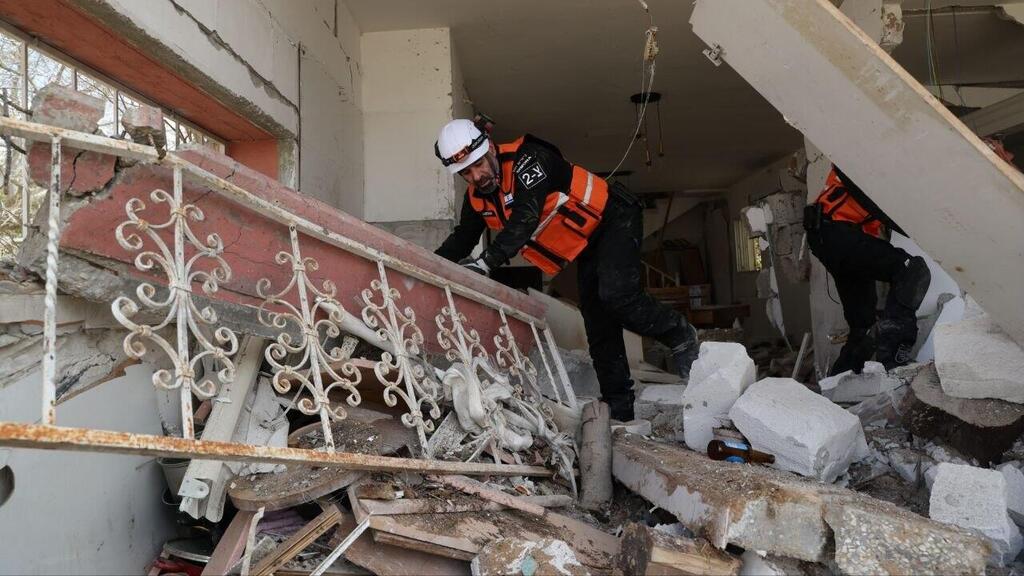
Destruction in Dimona
(Photo: Alex Kolomoisky)
Emmanuel Benjamin, another resident whose home was destroyed, said he and his wife survived by entering their reinforced safe room moments before the blast.
“We went in, and 30 seconds later there was an explosion,” he said. “I built this house with my own hands. It’s part of me. It’s hard to leave. But it’s good we started this war. You can only imagine what would have happened if Iran had struck first. We have to finish this.”
At Soroka, staff expanded capacity within minutes, clearing space and activating emergency protocols as casualties arrived from multiple sites.
“You don’t know who will arrive or in what condition,” Prof. Schvartzfuchs said. “But you work by clear procedures. You triage, assign teams and make sure there’s support in place. That’s how you impose order.”
Despite the scale of the incident, he said staffing was not an issue. “People come even before they’re called. Everyone understands there’s a mission.”
Soroka received casualties from Arad and Dimona on the night of the Iranian missile attack
(Video: Soroka medical center)


(Photo: Soroka medical center)
The psychological toll was also evident. In Arad, Avi and Rachel Lavan described how their son, a survivor of the Oct. 7 Nova music festival attack, struggled through the night.
“He’s in trauma treatment. Now it’s even worse,” Avi Lavan said. “He sat on the floor with his laptop, just watching what was happening.”
Rachel recalled witnessing the October 7 attack with him over video. “He told me, ‘Mom, there are soldiers here.’ I said, ‘Those aren’t ours — hide and hang up.’ He forgot to disconnect, and I saw everything. That was a black day.”
The latest strikes have also renewed concerns about disruptions to education. State Comptroller Matanyahu Englman, visiting Dimona, warned against neglecting students amid ongoing conflict and urged the Education Ministry to improve remote learning.
“No child in Israel should be abandoned,” he said.
As residents assess the damage and hospitals continue to treat the wounded, Prof. Schvartzfuchs offered a message to the public: “Trust us. We are here for you, working in the heart of the event. Give us the space to do our job, and you will see the results.”