

Four and a half months after the 12‑Day War, in which Israel targeted and severely damaged Iran’s ballistic missile production capabilities and shot down years of its nuclear program, the Islamic Republic is quietly rebuilding its military capacity — and preparing for the next round of potential conflict.
According to a detailed investigation published Wednesday by CNN and based on European intelligence sources, Iran in the past month has increased shipments from China of sodium perchlorate, a key component used to manufacture solid‑fuel rocket engines for ballistic missiles. That drives concerns that the Iranian missile‑arming effort is regaining pace.
Gallery
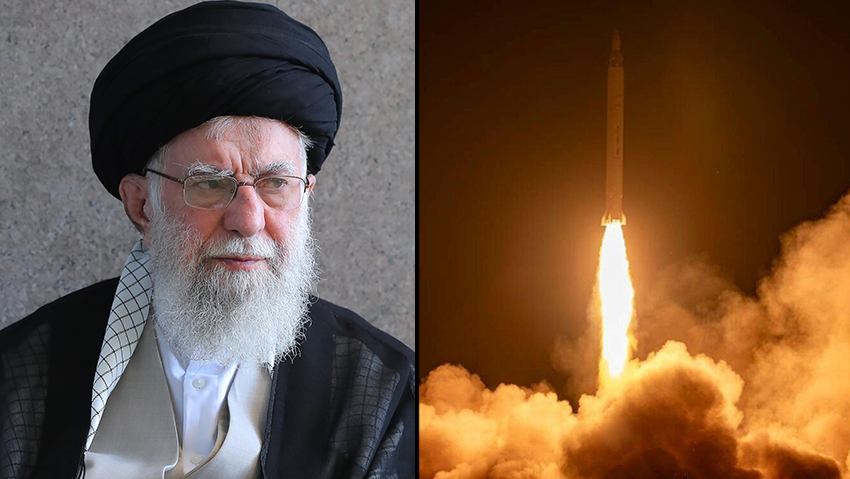
Iranian Supreme Leader Ali Khamenei
(Photo: Iranian Leader's Press Office - Handout/Getty Images)
Iran had already received Chinese shipments of sodium perchlorate before the war; in April, a heavy explosion at the Bandar Abbas port, caused by a mishandled cache of the same material, killed some 70 people and injured hundreds.
During the war, the IDF targeted both Iran’s nuclear and missile‑manufacturing infrastructure. Prime Minister Benjamin Netanyahu declared the threat neutralized: “We destroyed Iran’s missile‑manufacturing industry … we struck dozens of missile factories … we removed the threat of thousands of ballistic missiles aimed at Israel.”
But according to intelligence sources cited by CNN, the reconstruction is underway despite renewed international sanctions. The “snap‑back” of international sanctions at the end of September did not stop the flow of sodium perchlorate from China to Iran. The shipments continued under a loophole—while ammonium perchlorate (a more tightly controlled compound used in the actual solid‑fuel propellant) is explicitly sanctioned, sodium perchlorate is not. That allows Chinese companies to claim the transfer is legal.

Heavy explosion rocks the Bandar Abbas port due to mishandled Chinese shipments of sodium perchlorate
Western intelligence sources estimate that since Sept. 29, two to three days after the sanctions were reinstated, Iran has received 10 to 12 maritime shipments totaling about 2,000 tons of sodium perchlorate. One weapons expert, Jeffrey Lewis of the Middlebury Institute of International Studies, told CNN that the quantity is enough to fuel about 500 missiles, although he warned that a full rebuild of Iran’s pre‑war capacity would require much more.
Israeli analysts say Tehran is now intent on increasing its missile arsenal ahead of any future confrontation with Israel. Jerusalem delivered “a clear message” after the war that it opposed these transfers — but China, seeking greater influence in the Middle East, has carried on with them anyway. Iran, which held roughly 2,700 missiles before the war, might now possess at least half that number, and is seeking to expand further.
Meanwhile, regarding its nuclear ambitions, Tehran still does not appear to have resumed significant uranium enrichment or restarted weapon‑grade nuclear efforts, according to Israeli security officials. Analysts say the major missing ingredient remains the so‑called “planetary mixers” used to blend solid‑fuel components in missile manufacturing.
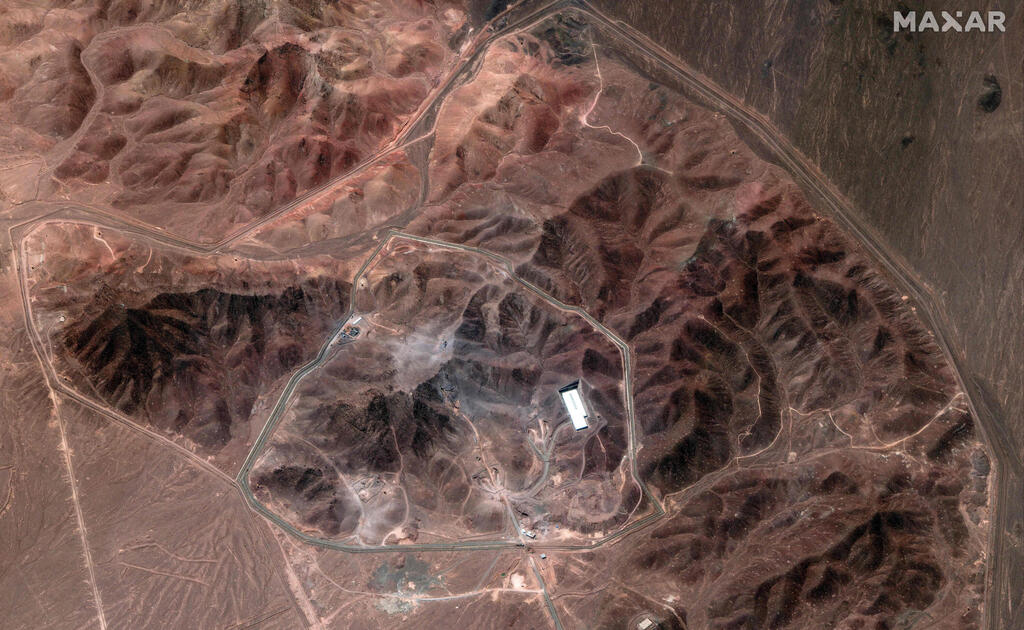
Reconstruction work at Iran's Fordow nuclear facility
(Photo: AFP PHOTO/ SATELLITE IMAGE ©2024 MAXAR TECHNOLOGIES)
The head of the International Atomic Energy Agency (IAEA), Rafael Grossi, recently stated that his agency’s inspectors detected suspicious movements at Iranian nuclear sites and warned that Iran’s refusal to cooperate with them after the strikes is hindering verification. Nevertheless, he said he did not see evidence of renewed uranium enrichment.
U.S. President Donald Trump, who insists that Iran’s nuclear facilities were completely destroyed, has threatened renewed U.S. strikes if Iran resumes its enrichment program. Meanwhile, Iran’s Supreme Leader Ali Khamenei mocked Trump’s statements and vowed the country’s program would continue.