


Just four kilometers (2.5 miles) from the Israel-Lebanon border, the IDF’s Hamamis outpost atop Tel Hamamis in southern Lebanon stands as a strategic stronghold, invisible from Israeli border communities yet designed to monitor and protect them under the Northern Command and 91st Division’s new security missions.
The ridge is layered weekly with concrete defenses as soldiers operate freely on the ground and in the air. The outpost overlooks the “drone axis” once used by Hezbollah to launch attacks on Upper Galilee towns, transforming former terror zones into areas now patrolled by infantry and air defense units.
Footage of IDF defense works in Lebanon


Since the withdrawal of most IDF forces from southern Lebanon, barring five retained outposts, the military no longer views the border fence as a buffer against Hezbollah’s potential resurgence.
Instead, they wage a relentless campaign to wear down the terrorist group as it attempts to rebuild. Hezbollah’s efforts to reestablish observation posts along the border have been thwarted, with the IDF neutralizing those involved in installing cameras or restoring sites.
Last week, IDF Chief of Staff Lt. Gen. Eyal Zamir visited Hamamis with 91st Division commander Brig. Gen. Yuval Gez and 769th Brigade commander Col. Y., reaffirming a new strategic approach. “We’re operating under a fresh strategy—we won’t allow threats to grow,” Zamir said.
“The achievements in the northern sector are unprecedented—over 240 terrorists killed and 600 airstrikes since the ceasefire.” The IDF’s efforts to uproot terror infrastructure are evident, halting Hezbollah’s use of humanitarian fronts to deploy containers for terror activities, a project deemed unviable due to intense strikes.
Hundreds of local raids by active-duty and reserve infantry units have crossed the border fence since the withdrawal, enforcing the ceasefire. Social media is routinely full of footage of IDF warning leaflets dropped from the air and ground in areas where reconstruction attempts precede encounters with unrelenting airstrikes.
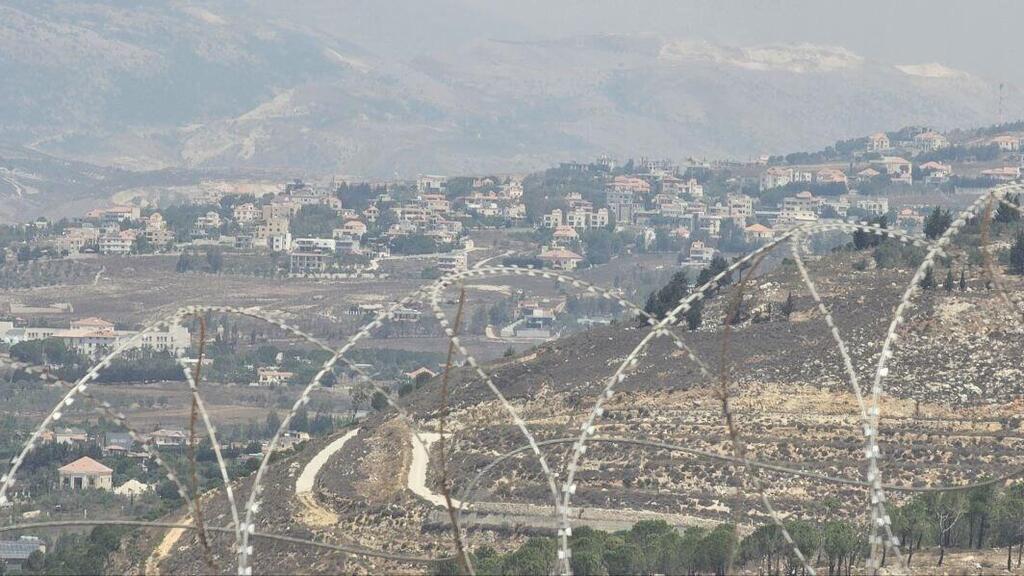
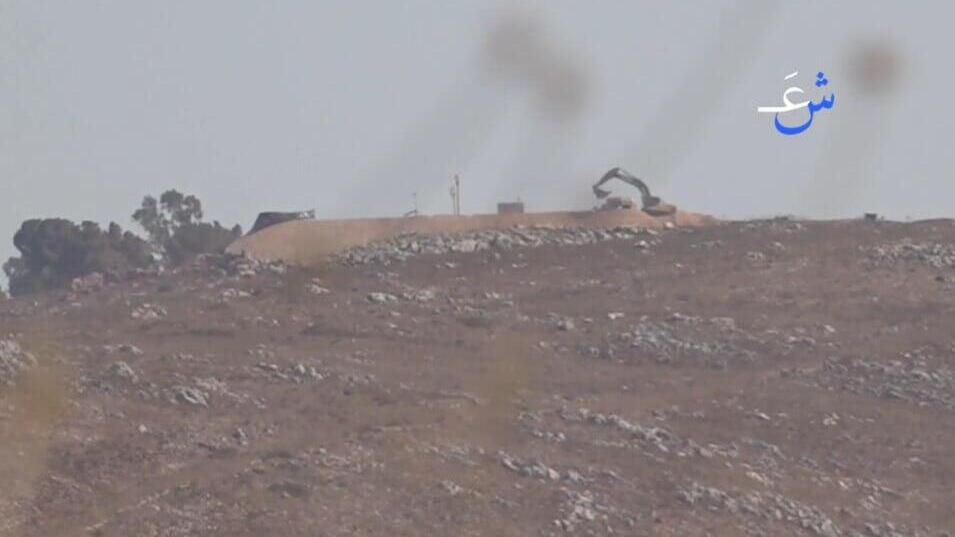
Footage of IDF defense works in Lebanon
Even shepherds’ flocks, once common near the border, have vanished, with anyone approaching suspected of being a terrorist and turned away. Some returning villagers distant from the frontier acknowledge IDF dominance, with some displaying signs declaring no terror affiliation.
During his visit, Zamir outlined the new security strategy, acknowledging the daily scrutiny faced by the military amid the fears of northern residents. “Our role is to shape our national security as we see fit. We won’t backtrack,” he pledged on the strategic ridge.
A Lebanese report claimed an Israeli drone dropped a stun grenade on Monday near four Syrian workers, including a woman, in the outskirts of the town of Khiam opposite Hamamis, likely as a warning against suspicious activity.
For the first time in years, the sound of IDF strikes no longer disrupts northern residents and vacationers who have returned, with military decisions on targeting terror sites in southern Lebanon—backed by unprecedented U.S. support—unaffected by weekends, holidays or vacations.

IDF Chief of Staff Lt. Gen. Eyal Zamir in Lebanon
(Photo: IDF)
Yet, the IDF remains alert to potential Hezbollah attacks, assuring local leaders that “the army must always be worried so civilians can always feel safe.”
Rebuilding trust between citizens and the military remains delicate, with Northern Command aware of occasional Hezbollah flags appearing along the border, especially near the terror group’s crowded cemeteries. The IDF avoided a direct confrontation and swiftly removed a neon sign hinting at Hezbollah’s “resistance” efforts.
Last week, outgoing Northern Command chief Maj. Gen. Ori Gordin handed over to Maj. Gen. Rafi Milo. Milo acknowledged the fragile security situation, saying, “I know the situation is fragile.
“We must continue, preserve and deepen war gains, shape a secure and improved reality, maintain operational freedom and ensure all northern residents return home safely and with confidence.”