

U.S. special envoy to Lebanon Thomas Barrack, already at the center of a diplomatic storm after referring to Lebanese journalists as “animals,” is now facing a lawsuit in Michigan filed by an American-Lebanese businessman who says the remarks amount not only to defamation but to “colonial rhetoric” that undermines Washington’s credibility as a mediator in negotiations between Israel and Hezbollah.
Dr. Benjamin Balout, chairman and CEO of the trade firm Diplomatic Trade, claims in court filings that Barrack’s words “hand ammunition” to Hezbollah, which portrays the United States as Israel’s proxy. “The dignity of Lebanon and its people is not up for negotiation,” Balout wrote, adding that the incident constitutes a grave attack on press freedom and national honor.
U.S. special envoy to Lebanon Thomas Barrack tells Lebanese journalists to 'act civilized'


“When an American ambassador describes Lebanese journalists as animalistic and expects them to remain silent, he is not only insulting individuals — he is degrading an entire nation,” Balout said in a post after submitting the lawsuit. Diplomats, he argued, are supposed to “build bridges, not burn them,” and language like Barrack’s “evokes the long shadow of colonial arrogance.”
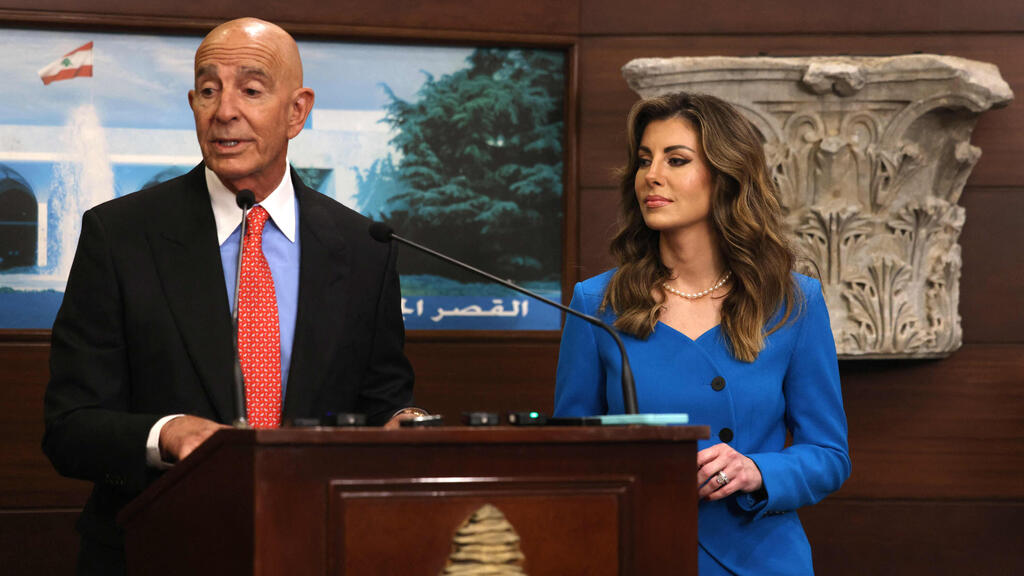
The controversy erupted last week at a Beirut press conference intended to promote U.S. pressure for Hezbollah’s disarmament. Barrack, appearing frustrated by noise in the hall, took the podium and told reporters to “be quiet,” warning: “The moment this turns chaotic, animalistic — I’m leaving. ”He went on to say: "Act civilized, act kind, act tolerant, because this is the problem with what is happening in the region."
The remarks triggered immediate outrage in Lebanon. The president issued a statement of “regret,” the journalists’ union threatened a boycott, and Hezbollah-linked outlets splashed Barrack’s picture across their front pages under the caption “The Arrogant Yankee.”
During a subsequent trip to southern Lebanon, Barrack was forced to cut his visit short after Hezbollah supporters approached his convoy. In Khiam, protesters scrawled in broken English on the road “Barak is animal” and stomped on spray-painted Stars of David. In Tyre, demonstrators prepared to pelt him with tomatoes. His helicopter was later filmed leaving Marj Ayoun after a security review that lasted only two hours.
The Michigan lawsuit cites the Vienna Convention, which obligates diplomats to respect host states; the U.S. Foreign Service Act, which requires “high standards of integrity and conduct”; and constitutional principles of press freedom and equality. Alongside the federal case, Balout has also appealed to the UN Human Rights Council in Geneva, the U.S. State Department’s Office of Inspector General and oversight committees in Congress.
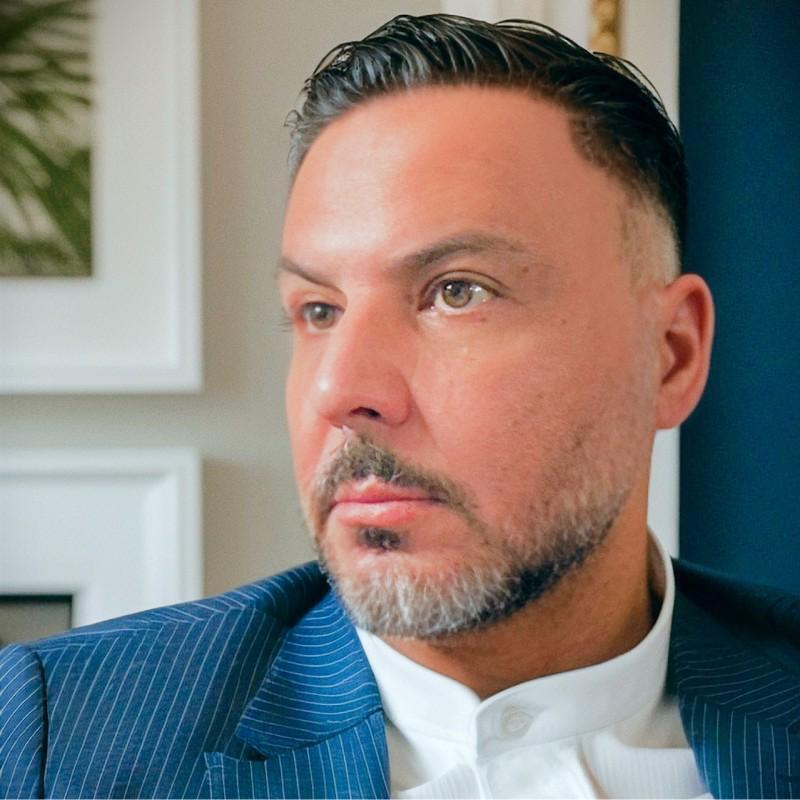
Dr. Benjamin Balout, chairman and CEO of the trade firm Diplomatic Trade filed the lawsuit
(Photo: LinkedIn)
Barrack plays a central role in U.S. efforts to broker a historic deal: Hezbollah’s disarmament in exchange for limited Israeli withdrawals from southern Lebanon. Prime Minister Benjamin Netanyahu has said Israel is prepared to “respond step by step” in line with Lebanese progress. But Hezbollah, though weakened after its leadership was decimated in the recent war with Israel, continues to reject disarmament and has threatened renewed civil war.
In such a climate, any erosion of Lebanese public trust risks derailing the talks. Opponents of the U.S.-backed plan say Barrack’s comments prove Lebanon is subject to an American-Israeli agenda — a claim that weakens the legitimacy of the entire process.
Balout concluded his post with a demand for accountability, not damages. “This is not a lawsuit for financial compensation. It is a demand for a public apology, recognition that the voice of the Lebanese people matters and a clear statement that there is no place for colonial rhetoric in the 21st century," he wrote. "True peace is not built between politicians alone — it begins with respect for people themselves.”