

The Lebanese army has begun shifting the balance of power in the country's south, with unexpected backing from Israel. In the wake of a ceasefire reached with Israel last November, Lebanese forces have largely succeeded in disarming Hezbollah in southern Lebanon — a move that surprised senior officials in both Washington and Jerusalem.
Speaking to the Wall Street Journal, Lebanese Prime Minister Nawaf Salam declared emphatically, banging his fist on the table, that “the state should have a monopoly on arms.” He said roughly 80% of the army’s objectives in the south have been achieved.
Gallery
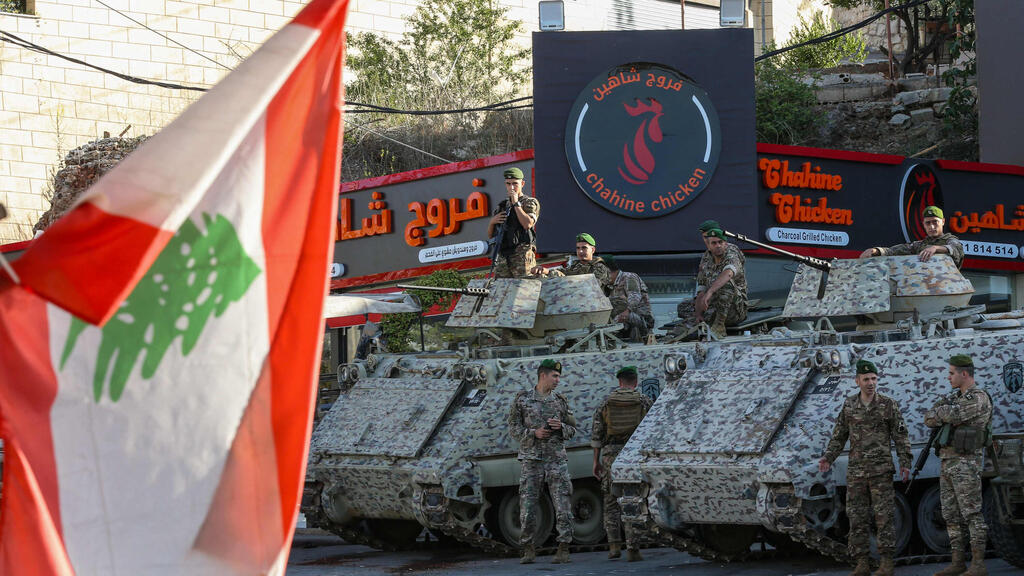
Lebanese army forces in Nabatieh; Israel helped locate and destroy dozens of Hezbollah weapons caches and positions
(Photo: Mahmoud Zayyat / AFP)
The newspaper highlighted how Israeli intelligence, funneled through American intermediaries, helped the Lebanese army locate and destroy dozens of Hezbollah weapons caches and military outposts. The army claims it destroys some of the seized arms but retains others to bolster its depleted arsenal.
For the first time in decades, Lebanon’s government has managed to assert control over areas south of the Litani River — a shift with political backing. Hezbollah, severely weakened after a two-month Israeli campaign that targeted its leaders and infrastructure, is now trying to regroup and shore up domestic support.
According to government sources, Hezbollah has even relinquished security control over key sites, including Beirut International Airport. Lebanese officials acknowledge the move is both unusual and significant, but doubts remain about whether progress can extend northward.
Israeli military officials told the Journal they were surprised by the Lebanese army’s effectiveness in the south and welcomed the shift.
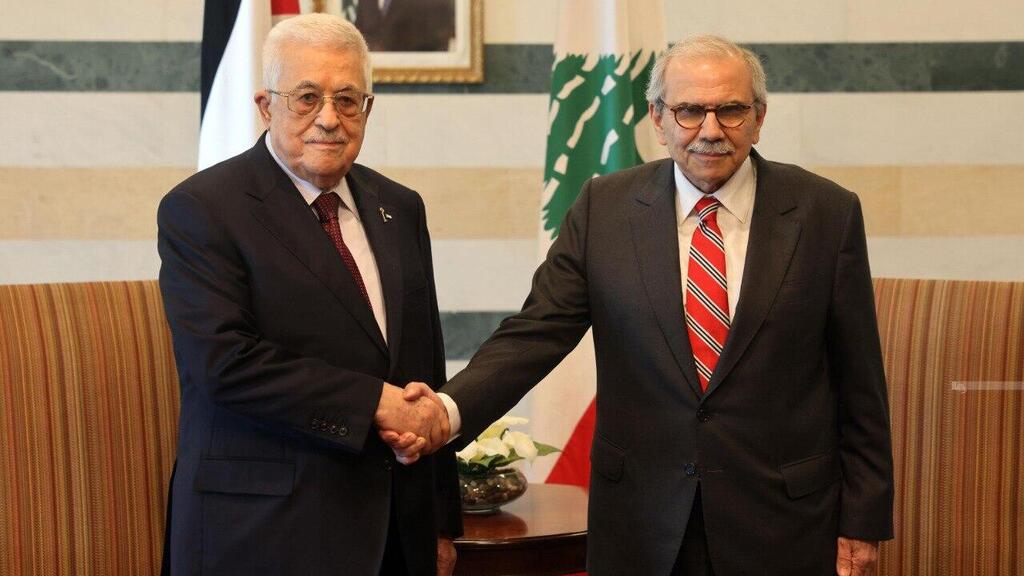
Palestinian Authority President Mahmoud Abbas and Lebanese Prime Minister Nawaf Salam meet in Lebanon
Lebanon’s government has unveiled a multi-phase plan to extend state control, including the disarmament of armed Palestinian groups. In April, Lebanese authorities arrested members of a Palestinian cell involved in rocket fire toward Israel — a rare step in a country where any security movement is heavily scrutinized.
Still, the real test lies north of the Litani, where Hezbollah maintains its core presence and deep ties within Lebanon’s Shiite community and where it is unclear whether or not it will be willing to give up that influence. Analysts familiar with the group’s strategy believe its current cooperation is tactical — a bid to gain internal legitimacy and secure reconstruction aid from the West and Gulf states, which have conditioned assistance on Hezbollah’s diminished power.
Get the Ynetnews app on your smartphone: Google Play: https://bit.ly/4eJ37pE | Apple App Store: https://bit.ly/3ZL7iNv
International pressure is a key factor, and Beirut is well aware of this. Donor countries, led by the United States and Gulf states, have made clear they will not release funds without visible progress on curbing Hezbollah. A researcher at Johns Hopkins University told the Journal the only way to force Hezbollah to disarm is to make refusal politically costly — for example, by tying aid to disarmament in Shiite areas.
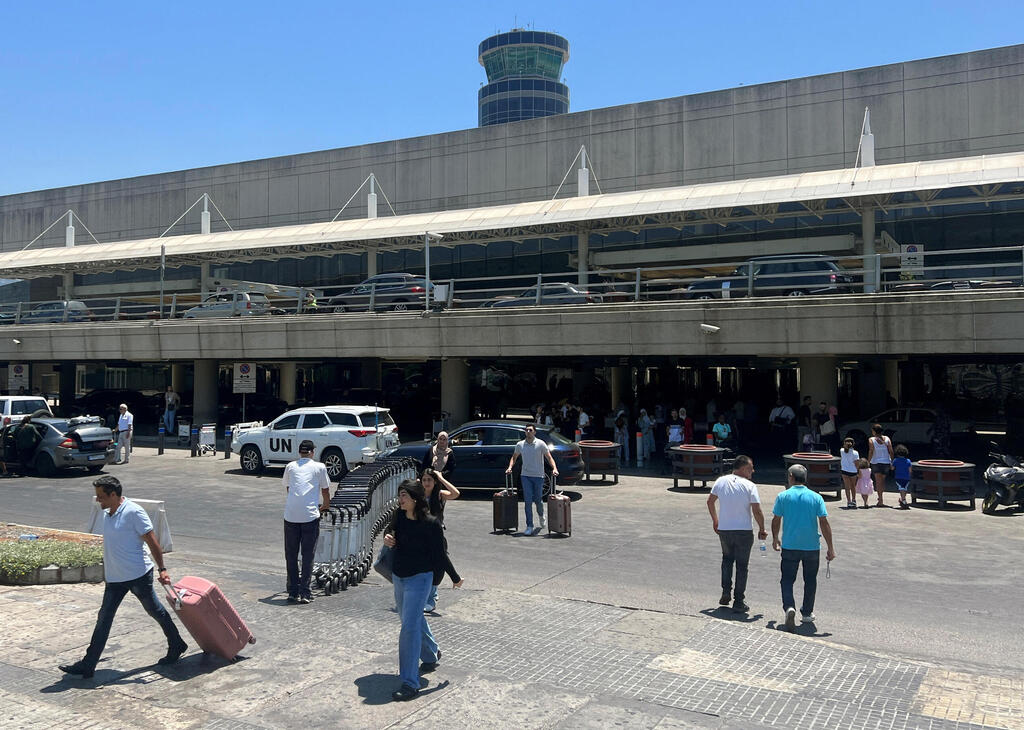
Beirut International Airport
(Photo: Emilie Madi/Reuters)
Hezbollah faces additional challenges, including the loss of smuggling routes from Iran through Syria, following the ouster of Syrian President Bashar Assad in December and his replacement by a regime hostile to the group. The organization has also lost a major source of income due to tighter state oversight at Beirut’s airport.
The future remains uncertain, and many in Lebanon fear internal unrest. The Lebanese army — made up of Christians, Sunnis, Shiites and Druze — has historically avoided direct confrontation with Hezbollah, fearing sectarian tensions or even splits within its own ranks. Despite recent moves, a dramatic shift in this policy remains unlikely.
Still, Prime Minister Salam remains determined. "We don't want to put the country onto a civil war track, but believe me, this is not going to affect our commitment to the need to extend and consolidate the authority of the state," he told the WSJ.
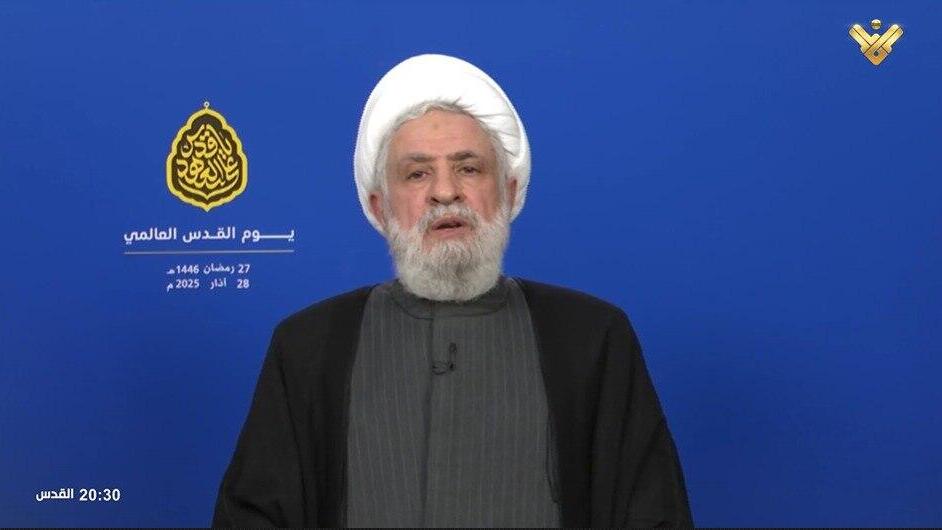
Hezbollah Secretary-General Naim Qassem
Hezbollah, for its part, has maintained an ambiguous stance. Ibrahim Mousawi, a Hezbollah member of parliament, said the group’s remaining weapons are "points of strength for Lebanon.”
Tensions remain high as the weakened Lebanese state attempts — for the first time in decades — to draw a clear line against the most powerful armed faction within its borders.