


The IDF launched a broad and ongoing military operation Wednesday morning in the northern West Bank, dubbed Operation Five Stones. The operation is focused on the so-called “Pentagon of Villages,” including Tamun, Tubas and al-Far’a, considered hotbeds of terrorist activity.
Forces from the Samaria, Ephraim and Commando brigades imposed a closure on the area and began searches based on intelligence for weapons and other military equipment. In coordination with the Shin Bet security service, troops are also arresting, detaining and questioning wanted suspects.
Paratroopers operating across the West Bank as part of Operation Five Stones
(Video: IDF)


The operation, kept under wraps until its launch, involves tactical maneuvers designed to intercept fleeing terrorists. The IDF has maintained a degree of ambiguity around the operation, which comes at a pivotal moment in the West Bank—just days after the UN Security Council endorsed the U.S. peace plan for Gaza, which includes a “pathway to a Palestinian state.” It remains unclear how long the operation will last or how effective it will be.
On Tuesday, the IDF declared there were no longer any fugitive terrorists in the West Bank responsible for past attacks, following the elimination of the final two suspects on its list. Security sources say this reflects a fundamental shift in the region: “If you compare 2021–2023 to 2024 and 2025, the change is clear. The fact that soldiers now run through the heart of the Jenin refugee camp says it all.”

In the years preceding the war, Central Command avoided aggressive action in the West Bank for fear it could ignite other fronts—particularly Gaza. For example, an operation in Jenin might have triggered rocket fire toward southern or central Israel, or prolonged activity inside a village could have sparked unrest among Israeli Arabs, as seen during 2021’s Operation Guardian of the Walls. The IDF was deterred.
This caution peaked with the rise of the Lions’ Den terrorist network in Nablus, which pioneered a model later copied elsewhere. It led to a wave of deadly attacks and ultimately triggered Operation Home and Garden in the northern West Bank in summer 2023. Though officially designated by Central Command as a major operation, it is now seen in hindsight as limited in scope.
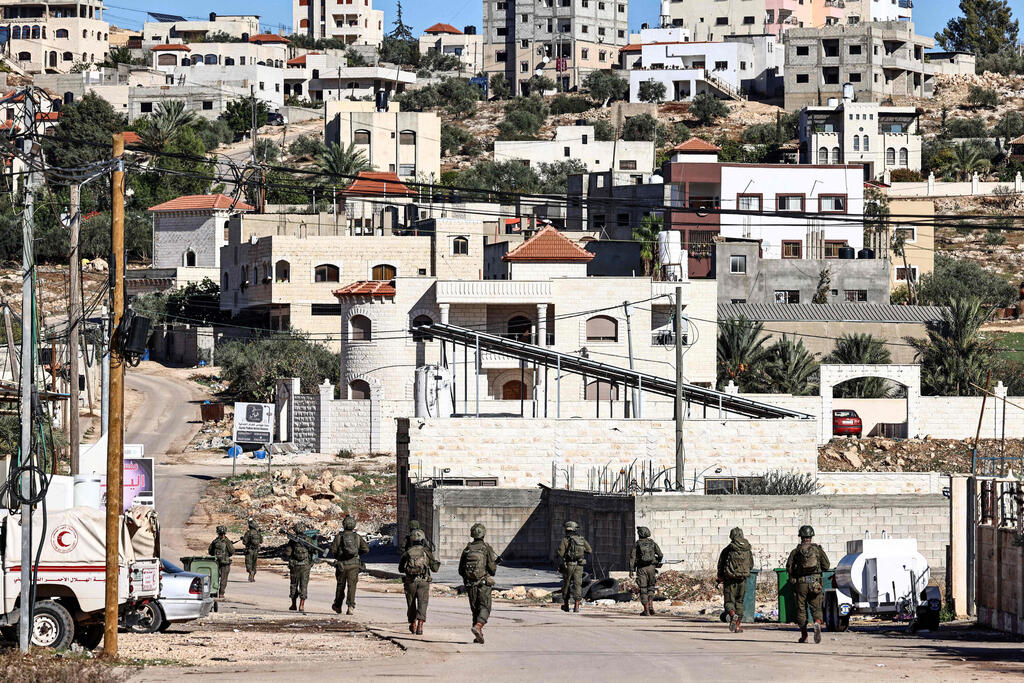
(Photo: Zain JAAFAR / AFP)
Today, security officials say, Israeli deterrence has had a visible impact on Palestinian residents of the West Bank. “Since the war, they understand that Israel and the IDF have changed—both in posture and mindset,” one said. “In the past, if intelligence identified a target for elimination, we’d hesitate—calculating the potential fallout and weighing how many senior approvals or troops it would require. Today, it’s different—smoother, faster and easier.”
They added that the IDF’s freedom of operation in the West Bank has significantly expanded, with fewer personnel and approvals now required. A Central Command source noted: “Today, our forces can reach every centimeter of the West Bank. That hasn’t happened since 1967.”
Why isn’t the street rising up?
The behavior of the Palestinian public in the West Bank is puzzling and contradicts the expectations of some security officials who believed that a halt to Israeli work permits, increased military pressure, large-scale troop deployments and the killing of numerous terrorists would spark mass unrest and possibly ignite a new intifada. But that has not happened.
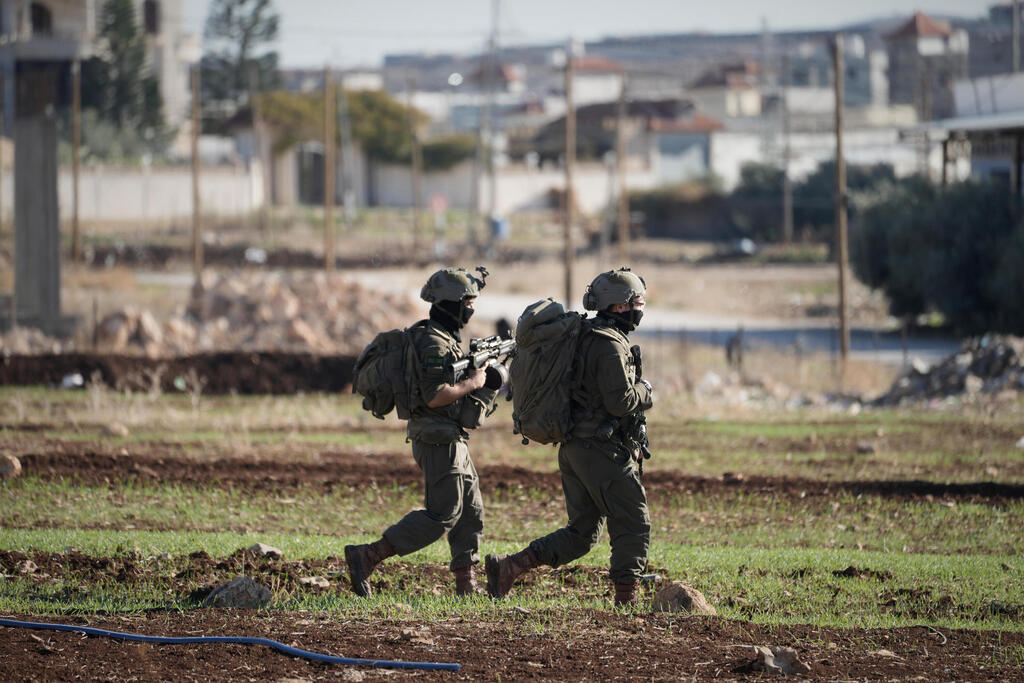
(Photo: AP Photo/Majdi Mohammed)
One key reason is that, despite public statements to the contrary, the Security Cabinet has not decided to collapse the Palestinian Authority. On the contrary, Israel’s current policy is to preserve the PA as part of maintaining regional stability.
The relationship with the Palestinian security apparatus remains complex. Just days ago, a terror cell with links to the PA was exposed. Still, in recent days, cooperation with these forces has contributed to overall security. The Palestinian public is not monolithic in its views or reactions; what might provoke unrest in Jenin may not have the same effect in Hebron.
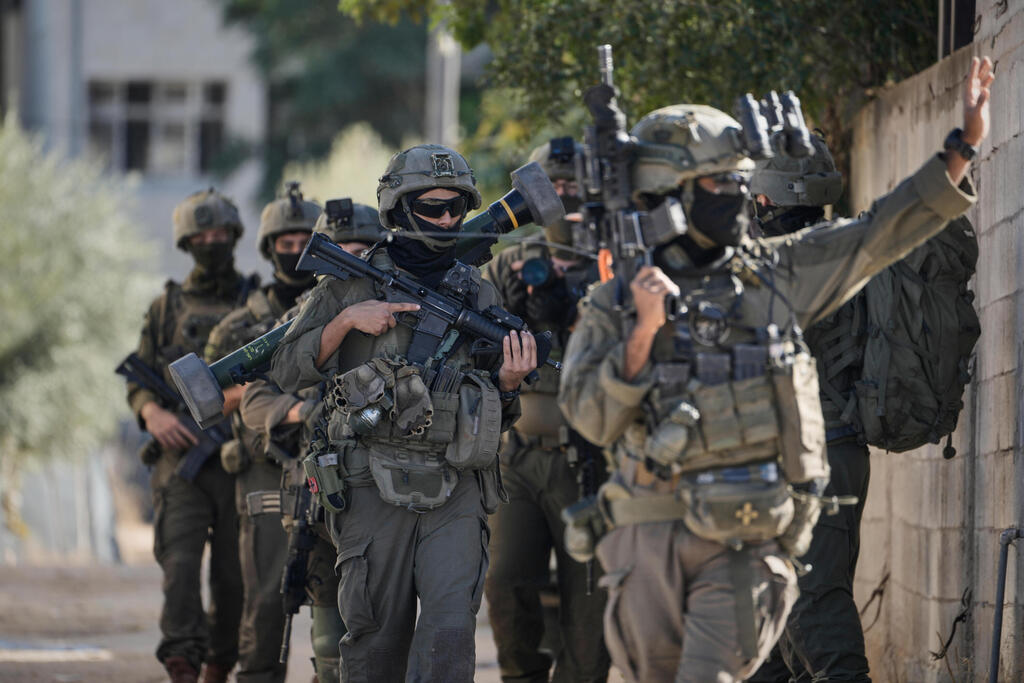
(Photo: AP Photo/Majdi Mohammed)
Broadly speaking, the IDF distinguishes between two main segments of the Palestinian population: older adults who experienced the Second Intifada and Operation Defensive Shield in the early 2000s, and younger people shaped by the events of October 7 and Israel’s response to the massacre. According to Israeli security sources, both groups have, in different ways, witnessed how the IDF has changed—and both understand the “cost of loss,” meaning the potential damage that renewed terror uprisings could bring to their daily lives.
Another factor behind the current calm is the consistency and clarity of Israeli messaging. Central Command has maintained a steady approach in confronting terror, and the IDF invests significant resources in thwarting “soft terror”—including the arrest of key online inciters and individuals caught with propaganda materials. “When someone shows up at a terrorist’s funeral waving a Hamas flag and is arrested 12 hours later, it sends a clear message,” security officials said.
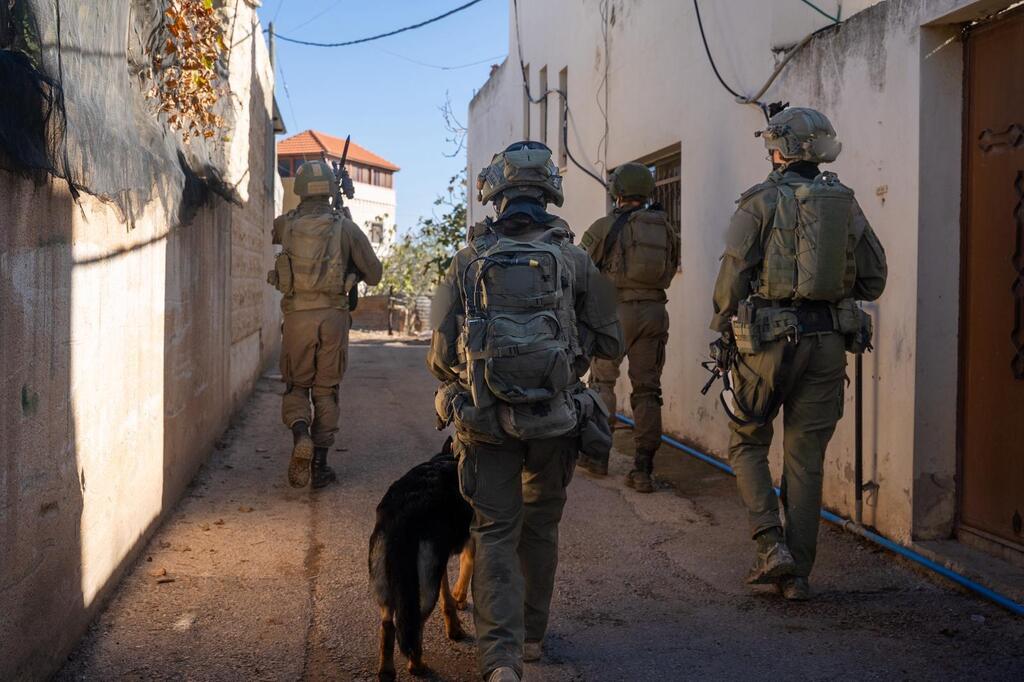
(Photo: IDF)
One major challenge the IDF faced was funerals for armed terrorists, which often turned into propaganda clips on social media, undermining the sense of security among Israelis—some of whom live near the very villages where such funerals were held.
While incitement on Palestinian social media was once rampant, officials say the phenomenon has significantly decreased in recent months. “In the past, success was measured by the number of terrorists killed in an operation,” one official noted. “Today, we understand that eliminating terrorists produces broader effects, and impact should not be judged by body count alone.”
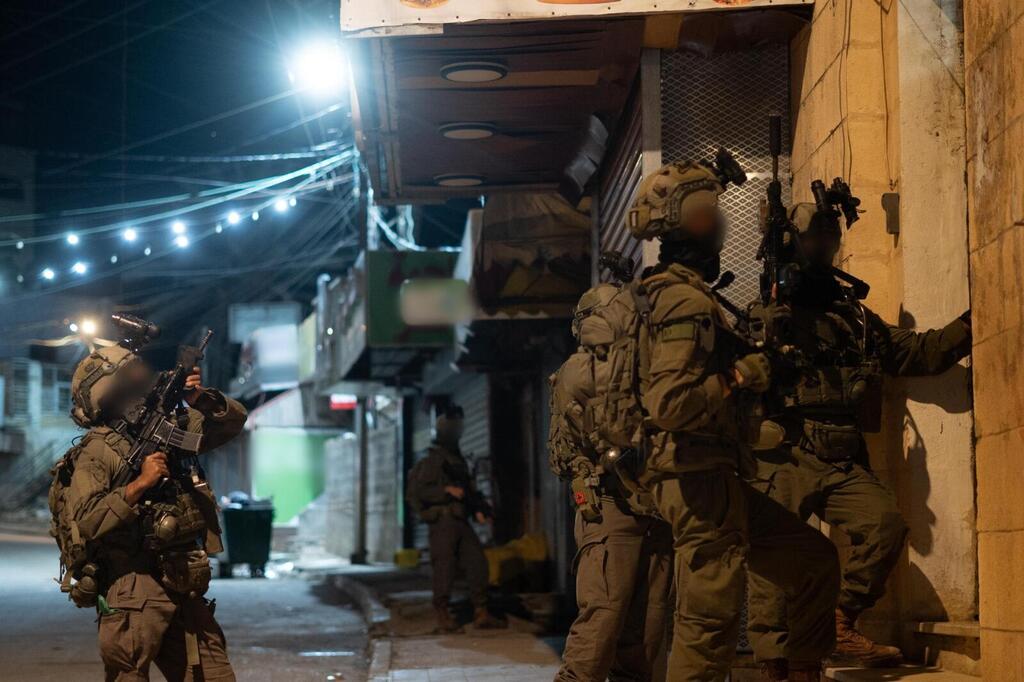
(Photo: IDF)
The PA’s deteriorating economic situation is another reason for the lack of mass unrest. However, the Palestinian public has endured even more severe economic crises in the past, such as during the COVID-19 pandemic.
Palestinian hope—and Israeli concern
Central Command officials are voicing concern about a return to prewar strategic thinking. As the fighting subsides, security sources say, there is a tendency to revert to policies once believed effective. “We’re fighting to make sure that doesn’t happen in the IDF and to avoid being caught off guard again,” they said.
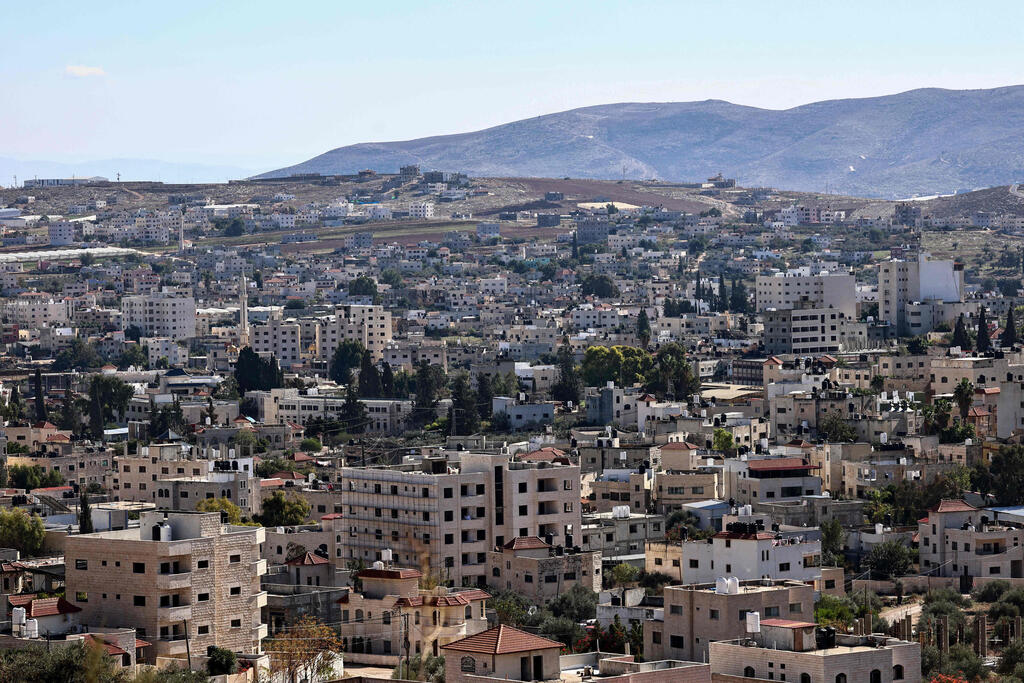
Tubas
(Photo: Zain JAAFAR / AFP)
The defense establishment acknowledges that despite dramatic changes on the ground, certain events could reignite the West Bank: the rebuilding of terror networks by terrorists released in the latest hostage deal, a major attack that sparks a chain of violence, an external diplomatic development with significant implications, a nationalist crime by Jewish extremists or even an internal Palestinian conflict.
According to IDF sources, “We’ve entered a period in which the concepts of expectation—and even hope—have returned to the Palestinian street,” largely due to U.S. President Donald Trump’s 20-point plan for Gaza. That plan includes broader regional moves and a proposed “pathway to a Palestinian state.” Conversely, many West Bank residents are wary of the plan, watching Trump promote it through meetings with various Arab leaders.
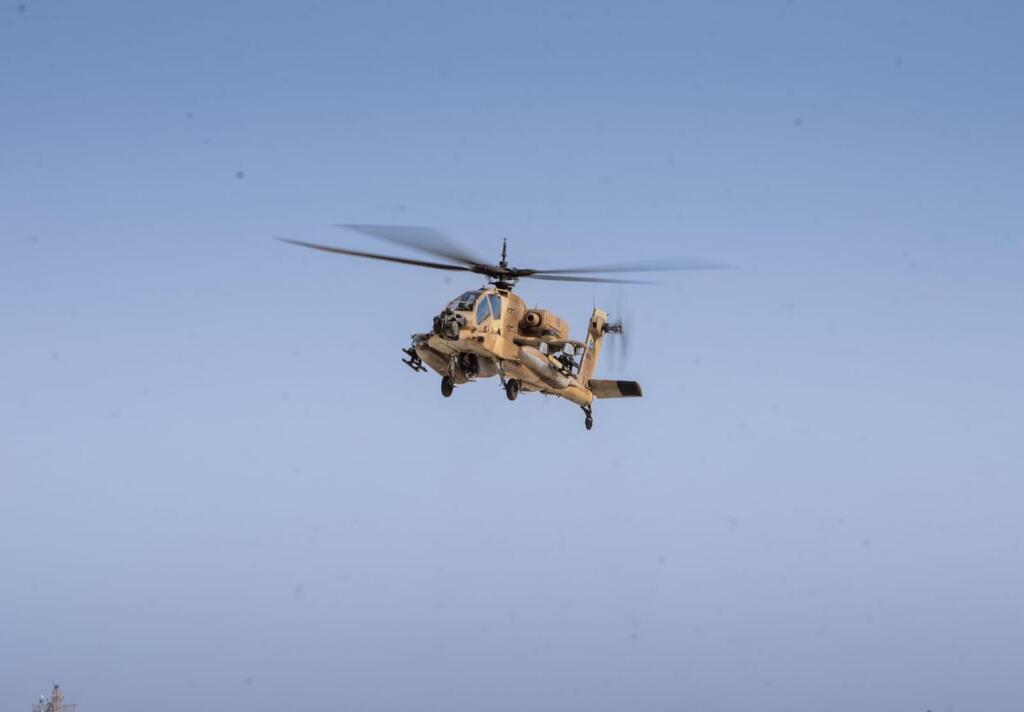
Attack helicopter taking part in the operation
(Photo: IDF)
Among Palestinians, hopes for diplomatic progress—and the disillusionment that may follow if those hopes are dashed—could spark renewed unrest. Security officials stress that Central Command must strengthen the security framework built over the past two years, ignore political noise and operate in direct contrast to prewar practices. “Otherwise,” they warn, “we’ll fall again.”
Air Force joins ground operation
The IDF, Shin Bet and Israel Police confirmed that the operation—led by the Judea and Samaria Division—was launched overnight. Participating forces include the Commando Brigade, the Samaria and Menashe brigades, as well as Shin Bet agents and Border Police units.
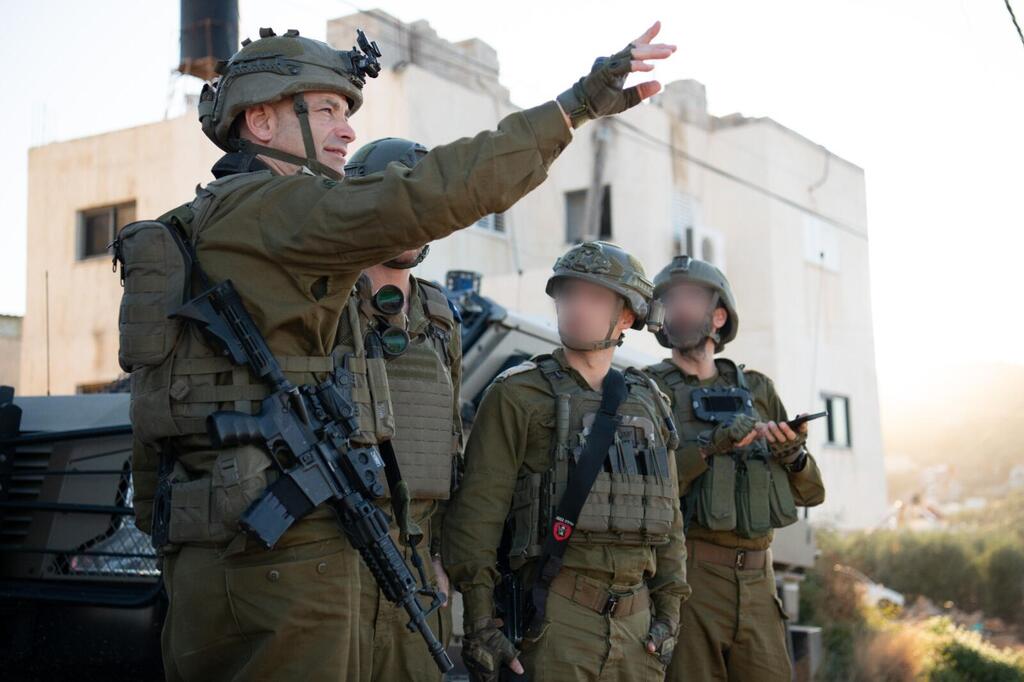
Judea and Samaria Division Brig. Gen. Avi Heller with the troops
(Photo: IDF)
“The operation began following prior intelligence identifying attempts by terror elements to establish infrastructure in the area,” the IDF said.
“Before ground forces entered, the Air Force conducted strikes to isolate and seal off the area,” the military added. “After the airstrikes, security forces began searching dozens of structures and questioning suspects. In one search, a camera command center was discovered and terror-linked funds were seized.”
The IDF and Shin Bet said they would continue proactive efforts to prevent terrorist entrenchment and eliminate any threats to Israeli civilians.