

Iran on Wednesday warned Israel not to interfere in the wave of protests sweeping the country, saying the unrest “will not continue without a response,” as Tehran announced the execution of another man accused of spying for Israel.
Amir Hatami, commander-in-chief of the Iranian Army said the Islamic Republic views statements by U.S. President Donald Trump and Prime Minister Benjamin Netanyahu regarding the protests as a “threat” and would not tolerate their continuation without retaliation.
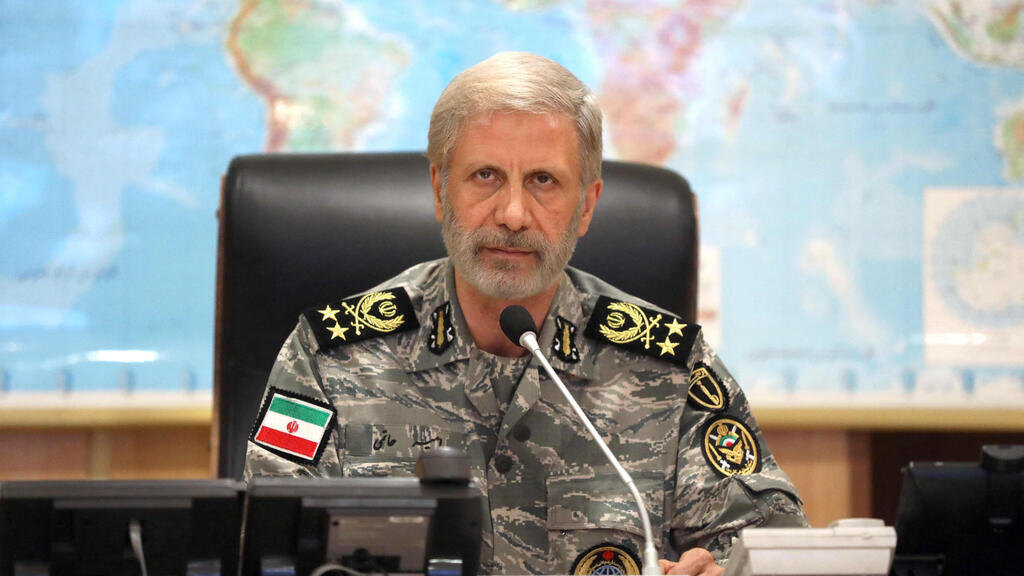
“The Islamic Republic of Iran sees this escalation in the enemy’s rhetoric against the Iranian nation as a threat, and we will not tolerate a situation in which it continues without a response,” Hatami said, according to the semi-official Fars news agency.
Hatami warned that if “the enemy makes a mistake,” Iran’s response would be “stronger” than during the 12-day war between Iran and Israel in June.
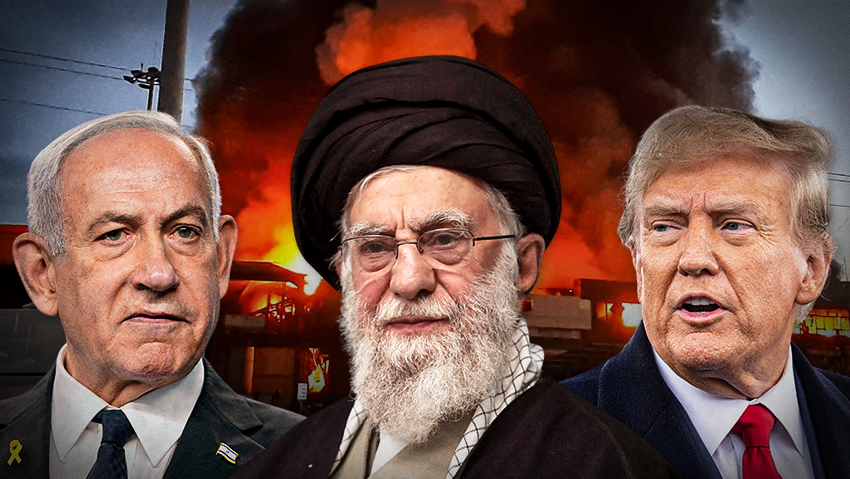
His remarks followed a warning by Trump over the weekend that the United States would “act” if Iran’s leadership killed protesters taking to the streets, and comments by Netanyahu earlier this week expressing solidarity with the Iranian people and suggesting “this may be the moment they take their fate into their own hands.”
Iran’s Foreign Ministry said Tuesday that the statements by Trump and Netanyahu amounted to “incitement to violence,” accusing Israel of attempting to undermine Iran’s national unity.
(Photo: lev radin/ Shutterstock, AP, Reuters/ Nathan Howard)
Execution announced as protests continue
As protests were expected to enter their 11th day, Iranian state media reported Wednesday morning that Tehran had executed another man convicted of spying for Israel’s Mossad.
According to the official IRNA news agency, the man, identified as Ali Ardastani, passed sensitive information to Mossad agents in exchange for payment in cryptocurrency. Iranian media said he transferred videos and still images of “special locations” and hoped to receive millions of dollars and a visa to Britain in return.
Ardastani was described as an Israeli “special operational asset.” Authorities did not specify when or where he was arrested, but claimed he was recruited online.
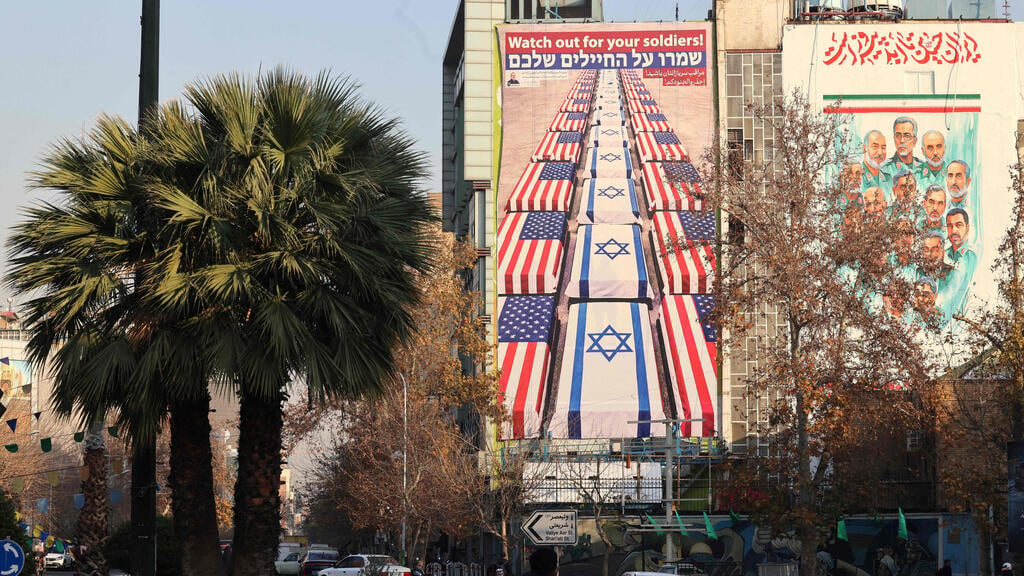
Tehran
(Photo: Atta Kenare/ AFP)
Human rights groups and Western governments have recently condemned Iran’s growing use of executions, particularly against political prisoners and those accused of espionage. Activists say many convictions rely on confessions extracted under coercion and that trials are often held behind closed doors without independent legal representation.
Iran, for its part, says those executed are “agents of hostile intelligence services” involved in sabotage and terrorism, particularly on behalf of Israel. Iranian authorities have acknowledged executing at least 12 people since the June war with Israel.
Scale of unrest and Israeli assessments
The current wave of protests erupted amid deep frustration over Iran’s economic crisis and the sharp decline in the value of the national currency. It marks the first major unrest in Iran since the end of the war with Israel and is the largest since the 2022 “hijab protests” sparked by the death of Mahsa Amini.
However, the protests have not yet reached the scale of the 2019 fuel demonstrations or the nationwide unrest four years ago.
Protests in Tehran


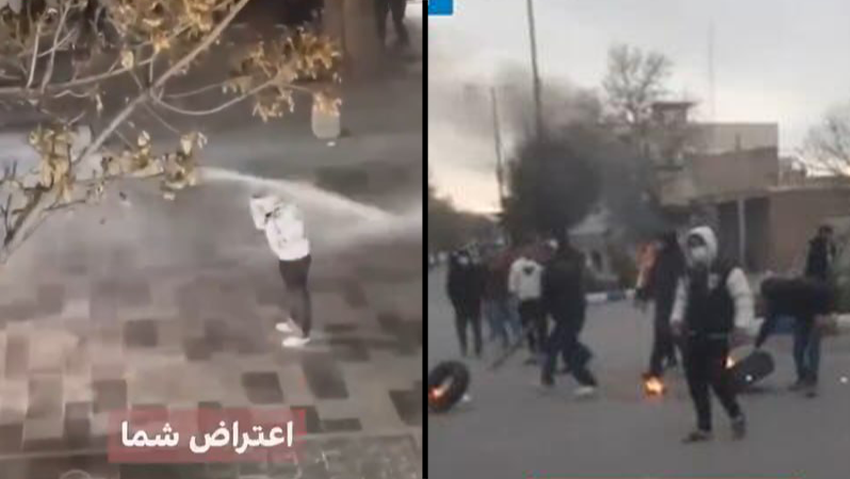
The U.S.-based Human Rights Activists News Agency reported Tuesday that at least 35 people have been killed in the protests and more than 1,200 arrested. The group said demonstrations had taken place at 250 locations across 27 of Iran’s 31 provinces.
Opposition outlet Iran International reported another day of protests and clashes at Tehran’s Grand Bazaar, while Iranian state media claimed that only “150 people” were present and dispersed once police arrived. Opposition-linked reports said security forces used tear gas against demonstrators. No new protests had been officially reported by Wednesday afternoon.
Iran
Jerusalem prepares for escalation scenarios
The developments come as Iran remains the central factor shaping decision-making in Jerusalem. Following his return from a meeting with Trump, Netanyahu convened a small, sensitive cabinet meeting with Israel’s security officials to review understandings reached in Washington regarding Israel’s freedom of action across multiple arenas, including Iran.
Within Israel’s security establishment, preparations are underway for scenarios in which the Israel Defense Forces may be required to operate in several theaters, some sequentially and others simultaneously.
Israeli officials remain cautious about the protests’ potential to topple the Iranian regime, noting that regime change in a country like Iran requires multiple elements coming together. Still, the evolving reality has prompted Israel to prepare for unexpected and extreme scenarios.
Military Intelligence is focused on close monitoring of Iran, continued collection of high-quality targets and early warning of a possible large-scale, surprise ballistic missile launch. Israeli officials stress that Tehran, like Jerusalem, has internalized the importance of a first strike following the June war.
At the same time, concerns are growing within Israel’s security establishment over the risk of miscalculation, as each side fears the other may be planning a surprise attack. Israeli officials say messages have been conveyed to Tehran through several channels stating Israel has no intention of initiating an attack, including during the protests, but Iranian officials have consistently dismissed those messages as deceptive.