

The ongoing war has destabilized Iran’s leadership, hampering its ability to make decisions and coordinate large-scale retaliation against the United States and Israel, officials familiar with U.S. and Western intelligence assessments told The New York Times.
Since the start of the war, dozens of Iranian leaders and their deputies have been killed. Those who remain are struggling to communicate and are unable to meet in person for fear of being targeted in airstrikes. While Iran’s security and military agencies continue to function, the regime’s ability to formulate new strategies or policy has weakened.
Gallery
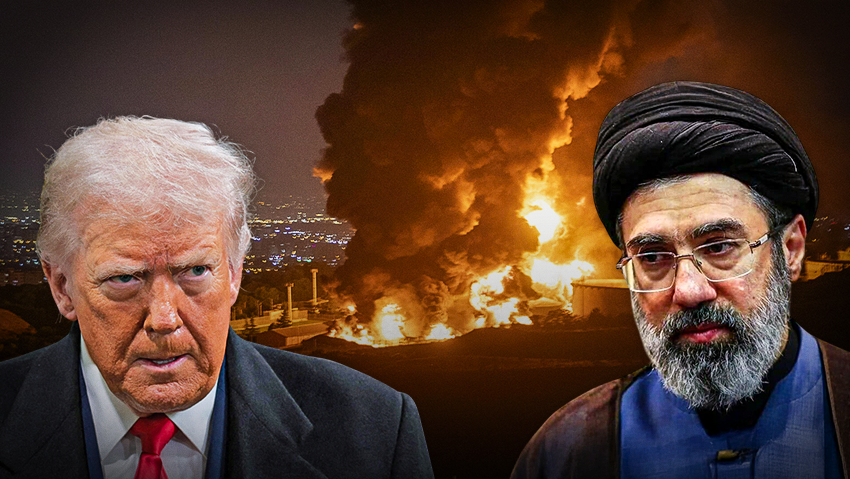
Donald Trump and Mojtaba Khamenei, who US and Israeli officials say was wounded in the war
(Photo: Anna Moneymaker / AFP, Stringer / Getty Images)
Given the scale of the assassinations, Trump administration officials said Iran is effectively operating under a new leadership, and Washington is pressing for a swift deal. However, with decision-making processes disrupted, Iranian officials may find it difficult to negotiate with the United States or agree to significant concessions. Negotiators may not know what the regime is willing to concede — or even whom to consult — as many senior officials are new to their roles.
According to U.S. sources, hardline elements within the Islamic Revolutionary Guard Corps have gained greater influence, potentially wielding more power than the clerical leadership that formally governs the country. It remains unclear whether any figure within the new leadership can reach a deal — or persuade others to support it. Current and former U.S. officials say Iran is likely to agree to a deal only when the economic cost of the war becomes too great, and assessments suggest Tehran does not yet see itself as losing.
The leadership’s inability to communicate effectively has fueled confusion and paranoia among surviving officials, who fear their communications are being intercepted by Israeli intelligence, according to sources briefed on Western intelligence. As a result, they are reluctant to speak with one another.
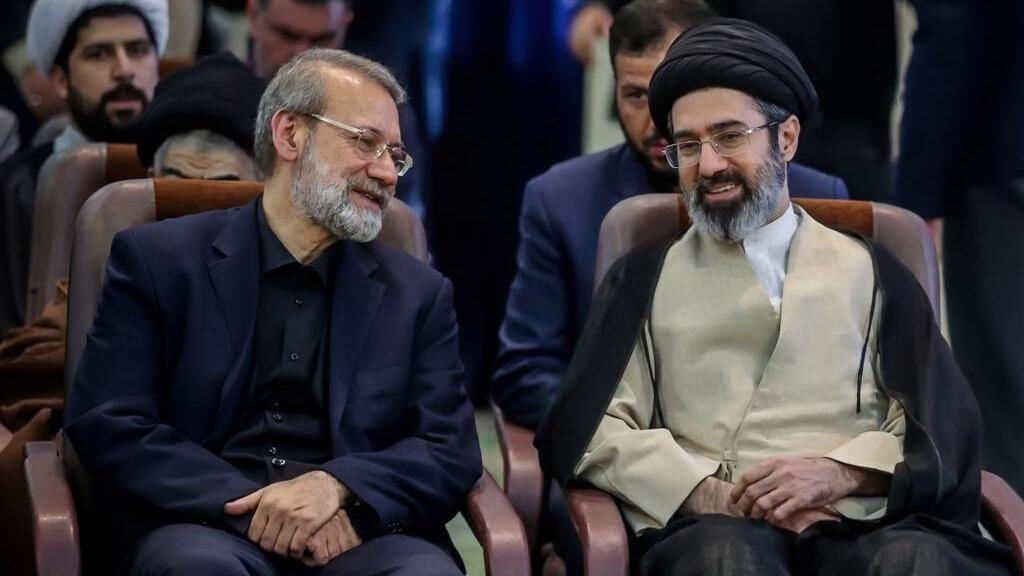
Ali Larijani alongside Khamenei
In the opening strike of the war, Israel targeted Iran’s leadership compound, killing Supreme Leader Ali Khamenei and much of the national security leadership. Lower-ranking officials considered more pragmatic by the United States were also killed. U.S. President Donald Trump said potential successors to lead Iran had been eliminated. The strike severed many of the links between Iran’s policymakers.
The New York Times reported that it remains unclear how much influence the new supreme leader, Mojtaba Khamenei, has over the regime’s operations. He has not appeared in public since his appointment, and U.S. and Israeli intelligence agencies believe he was wounded. Some intelligence officials assess that his role may be largely symbolic, with the Revolutionary Guard leadership making key decisions.
A senior U.S. military official said Iran’s command-and-control systems have been severely damaged by the strikes. However, he and a senior intelligence official noted that before the war, Iran developed a decentralized command structure, allowing local commanders to carry out attacks independently, even without direct orders from Tehran.
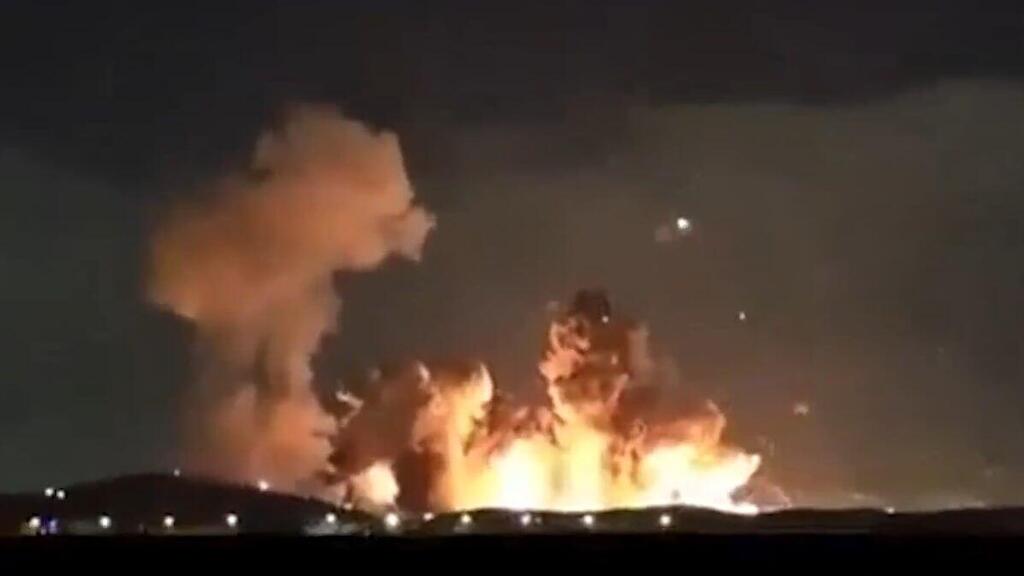
A US strike on an ammunition depot in Isfahan
The military official said Iran has demonstrated it can still launch significant attacks, such as last week’s missile and drone strike on Prince Sultan Air Base in Saudi Arabia. Still, the scale and effectiveness of such attacks are limited, in part because regional commanders are acting without coordination.
Trump expressed frustration over what he described as mixed messages from Iran’s leadership, saying Thursday that Iranian negotiators appear inconsistent. He said they are effectively seeking a deal out of military weakness, while publicly claiming they are only reviewing the U.S. proposal.
Earlier this week, Trump said the air campaign had brought about new leadership in Iran and pointed to progress in negotiations, describing the current officials as a completely different and more pragmatic group.
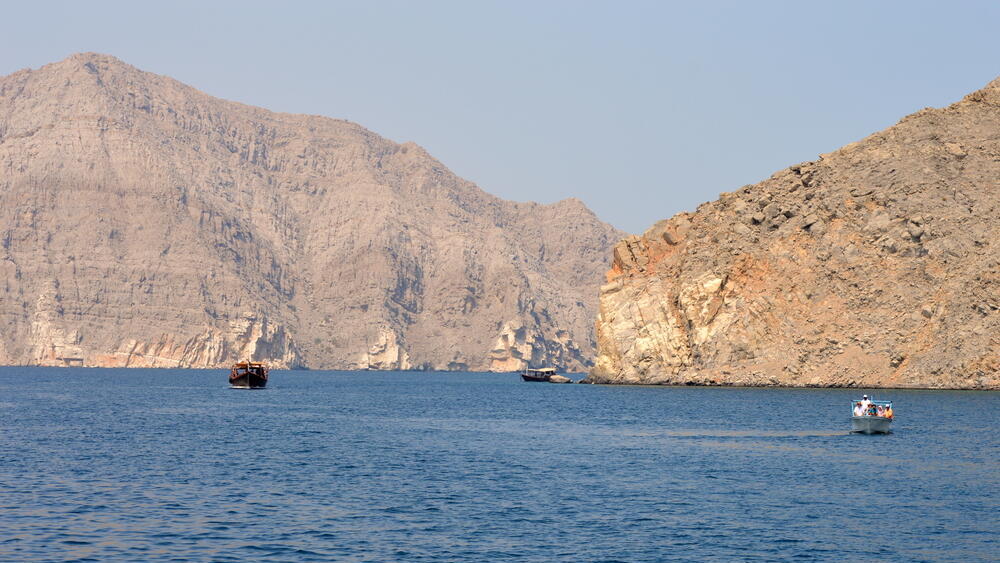
Ships near the Strait of Hormuz
(Photo: curioussnapshots/shutterstock)
On Monday, Trump expressed optimism about Iran’s current leadership but also threatened to escalate the war by targeting energy infrastructure and civilian sites. He said that if no deal is reached soon and the Strait of Hormuz remains closed, he would strike Iran’s power stations, oil wells and desalination facilities. Officials briefed on intelligence assessments said his frustration reflects the regime’s inability to coordinate a response and make decisions regarding U.S. proposals to end the war.
Israeli officials said Iran’s communication problems resemble those seen in negotiations to secure the release of hostages in the Gaza war. In that case, proposals from the United States and Israel were passed to Hamas leaders in Qatar and then relayed by written messages to leaders in Gaza — a cumbersome process that led to confusion.