

The body of Iran’s former supreme leader Ali Khamenei arrived Friday morning at a religious complex in Tehran ahead of his funeral set to begin Saturday. The unprecedented ceremony will take place four months after his death in the opening strike of Operation Roaring Lion. Authorities expect between 15 and 20 million participants in Tehran alone for a three-day commemoration designed to serve as a show of force following a nearly 40-day war in which senior officials were killed and, according to Iranian claims, thousands of civilians died.
In the capital, at the entrance to the mosque where the ayatollah’s body will be placed, workers labored in the sweltering heat on final preparations, according to an AFP team granted rare access to the site. “People will come from all over Iran. There will be large crowds,” said Hussein, a 43-year-old worker. Some of the crowd is expected to begin gathering as early as Friday evening to wait for the gates to open at 6 a.m. Saturday.
Gallery
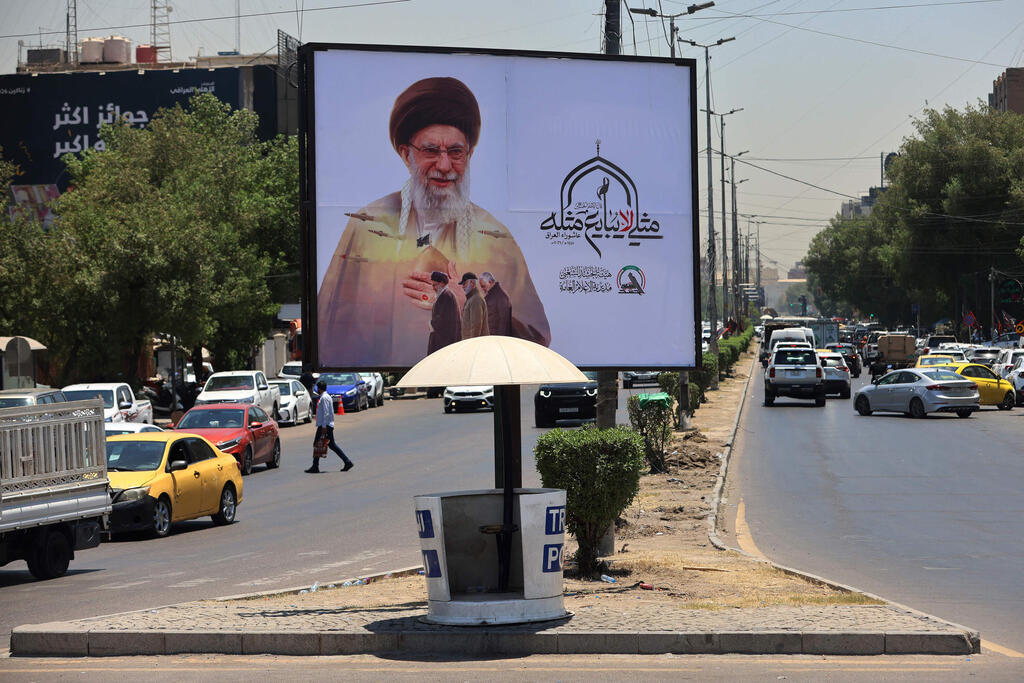
The body of Iran’s former supreme leader Ali Khamenei arrived Friday morning at a religious complex in Tehran
(Photo: AHMAD AL-RUBAYE / AFP)
The massive Musalla complex, designed to host Friday prayers, official memorial ceremonies and religious gatherings, will remain open day and night until Monday. The procession carrying the body of Khamenei’s father will pass through the streets of Tehran before reaching the city of Qom on Tuesday.
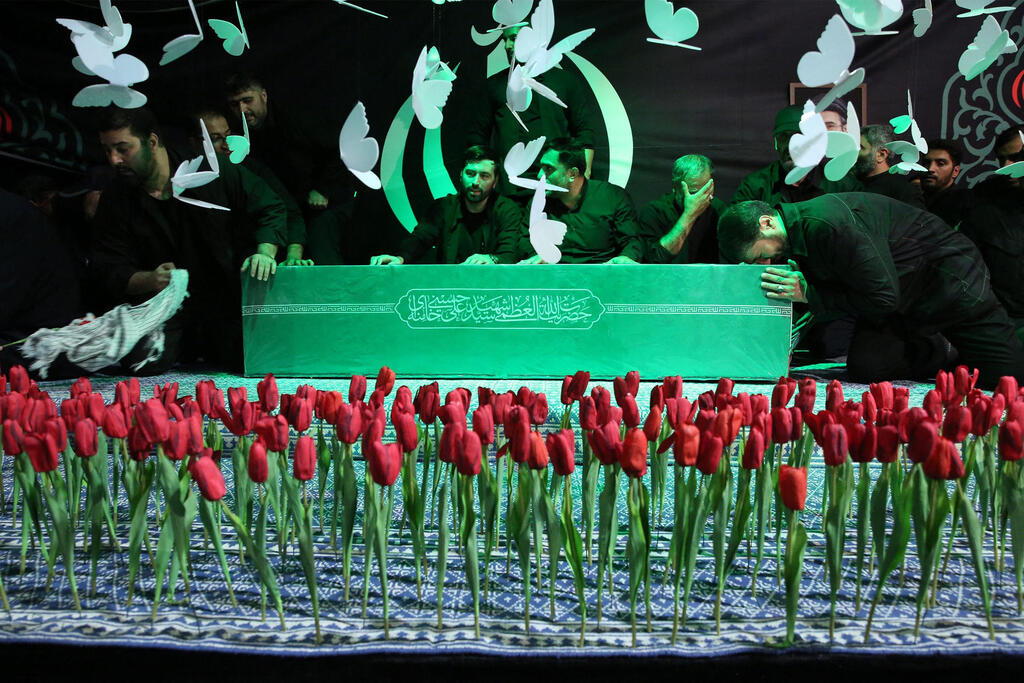
Tulips were placed in front of Khamenei's coffin
(Photo: AFP PHOTO / Iranian supreme leader office)
Leaders and officials from about 30 countries are expected to arrive in Tehran, including former Russian president Dmitry Medvedev and Pakistani prime minister Shehbaz Sharif.
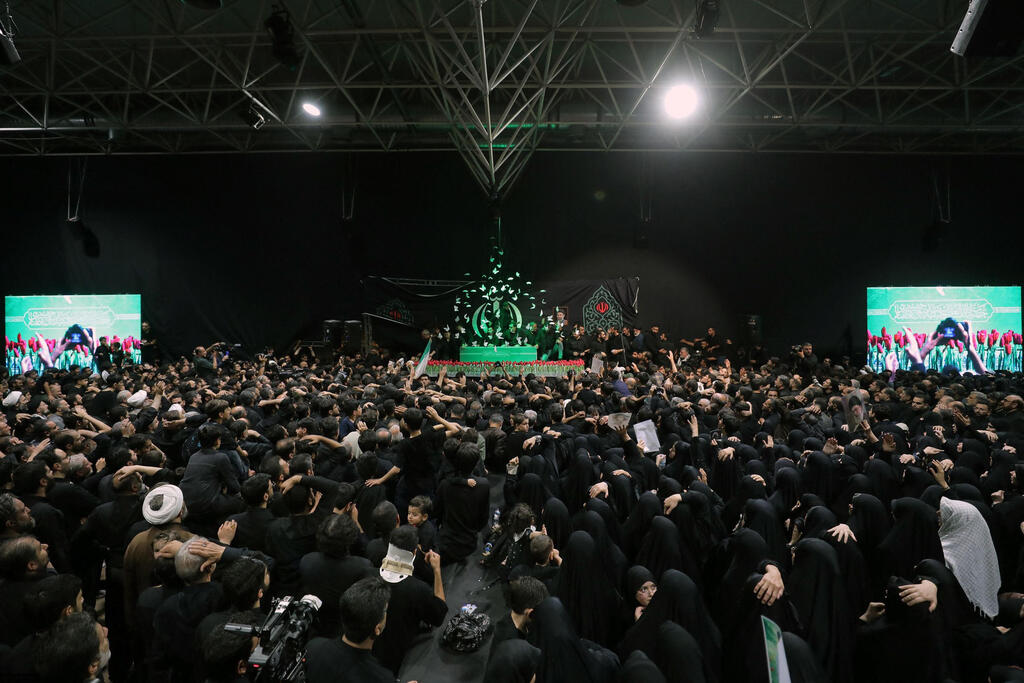
State media reported that Khamenei’s body was placed in a coffin on a platform in Tehran
(Photo: AFP PHOTO / Iranian supreme leader office)
Emerging from hiding
Ahead of the “show of force,” Islamic Revolutionary Guard Corps commander Ahmad Vahidi emerged from hiding. He has become one of the most influential figures in the regime in recent months. In images distributed by Iranian state media, Vahidi is seen attending a preparatory meeting for the funeral and later sitting beside the coffin during a small ceremony held near what had been the supreme leader’s home before he was killed.
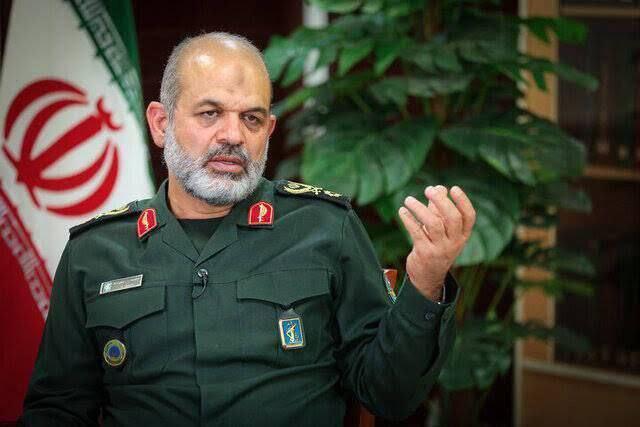
Islamic Revolutionary Guard Corps commander Ahmad Vahidi emerged from hiding
Experts who spoke with The Associated Press said Vahidi has become a key player in shaping Iran’s hard-line position in negotiations over a permanent agreement to end the war with the United States. They also said he is part of a small circle in direct contact with Iran’s new supreme leader, Mojtaba Khamenei, who is still in hiding. Vahidi himself has not been seen publicly since February 8, weeks before the war began.
State media reported that Khamenei’s body was placed in a coffin on a platform in Tehran, with rows of red tulips arranged in front of it. According to reports, those already arriving include families who lost relatives in the 12-day war and the most recent conflict.
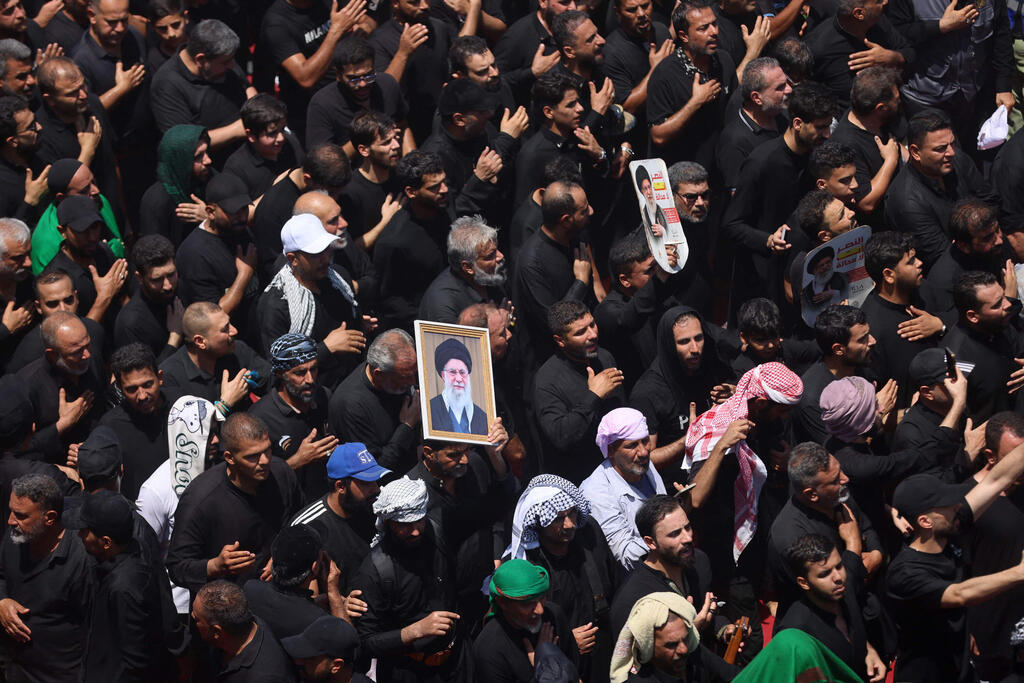
(Photo: AHMAD AL-RUBAYE / AFP)
This morning, Iranian security forces carried the coffin of Khamenei above their heads upon its arrival at the Grand Mosalla Mosque in Tehran. Authorities are planning to close roads, shut down airspace and halt daily life in the capital.
'The public life has stopped, the Basij militia is everywhere'
The funeral, originally scheduled for March but postponed due to the war, is expected to be the largest in Iran’s history. Alongside Khamenei’s coffin, the coffins of relatives killed on the first day of the war will also be present, including one of his daughters, his son-in-law, his daughter-in-law and his granddaughter. Final burial is scheduled for July 9 in the city of Mashhad in northeastern Iran, Khamenei’s birthplace.
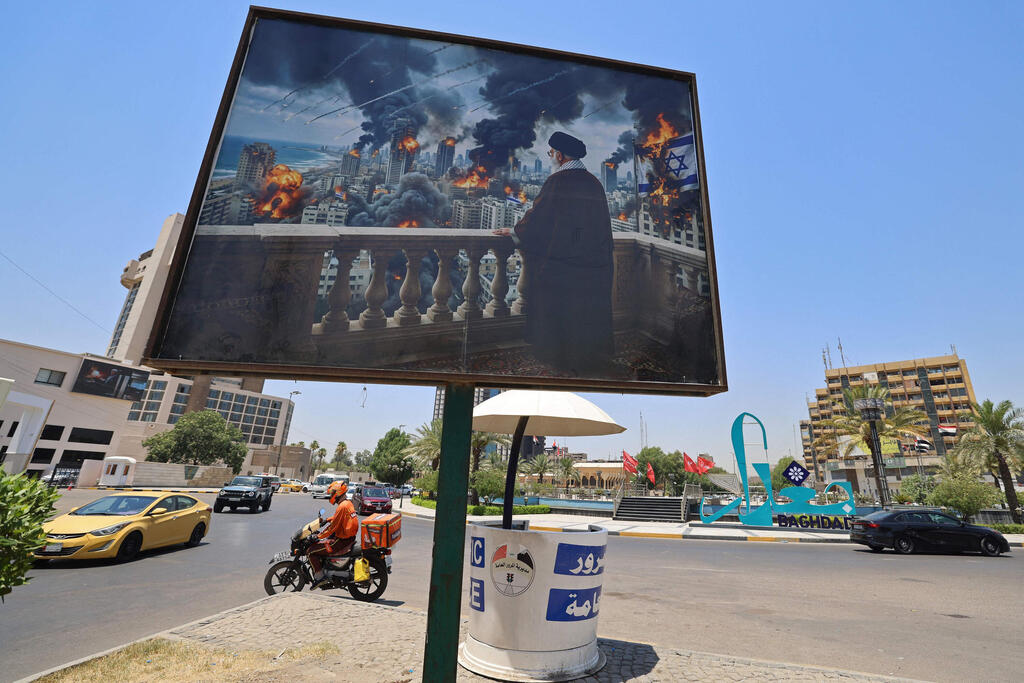
The public life has stopped
(Photo: AHMAD AL-RUBAYE / AFP)
“The large public participation in the funeral procession of the leader will in effect be another referendum for the Islamic Republic,” said Friday prayer leader of Qom, Ayatollah Mohammad Saeidi. Iranian authorities are hoping to mobilize millions of supporters to flood the streets across the country in an effort to project strength after surviving the war.
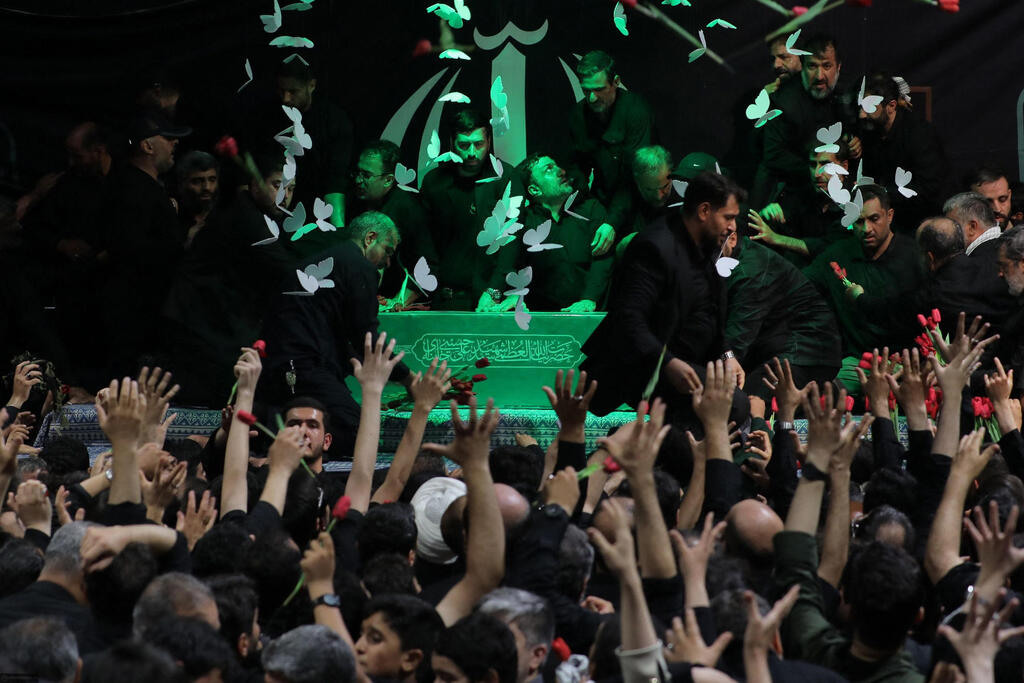
(Photo: AFP PHOTO / Iranian supreme leader office)
However, experts speaking to AFP said that behind expectations of unity and loyalty, public support in Tehran has significantly eroded. Across the country, many Iranians are weary after decades of sanctions that have damaged the economy and angry at repression imposed in the name of the 1979 revolution, which only older generations in the largely young population remember.
Samira, 35, whose husband owns a restaurant in Tehran, said her family did not plan to attend the funeral events and was leaving the city for a week. “It’s as if life has stopped, there are Basij everywhere,” she said.