

Farmers in northern Israel are racing to restore orchards and vineyards destroyed during more than 18 months of rocket fire, as the region faces a critical planting window that could determine the pace of agricultural recovery after the war.
Across the Upper Galilee and the Golan Heights, large stretches of farmland remain damaged nearly two and a half years after the October 7 attacks and the escalation that followed along Israel’s northern border. Agricultural groups estimate that about 1,250 acres of orchards and vineyards were destroyed during months of rocket strikes and prolonged military restrictions.
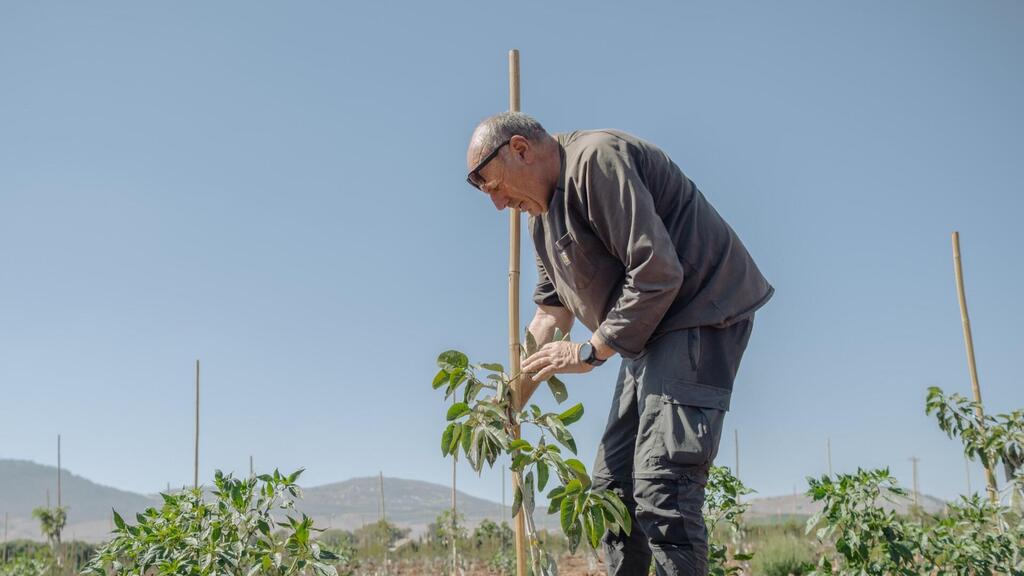
Farmers are now working to replant an estimated 550,000 fruit trees and 32,000 grapevines before the current planting season ends. Missing the window would push recovery back another year.
“Waiting is not an option,” said Amit Fahima, an orchard grower from Moshav Dishon in the Upper Galilee. “It takes seven to nine years for an orchard to return to full production. If we delay planting now, the damage to northern agriculture will be severe, and the communities here will face even greater challenges as they try to recover from the war.”
Northern Israel produces most of the country’s deciduous fruit and nearly half of its wine grapes, making agriculture a central economic pillar for dozens of border communities. Beyond its economic role, farming has long been tied to maintaining civilian life along the frontier.
Some of the destroyed orchards date back to the early years of the state and represent decades of accumulated agricultural knowledge and continuity in the region.
While the Israeli government compensates war-related agricultural losses through the Tax Authority’s property compensation fund, farmers say the process can take years. In the first year and a half following October 7, the number of compensation claims exceeded the total filed over the previous 18 years combined.
Even when compensation is eventually granted, it is often calculated based on depreciated asset values, leaving farmers to cover much of the immediate cost of replanting themselves.
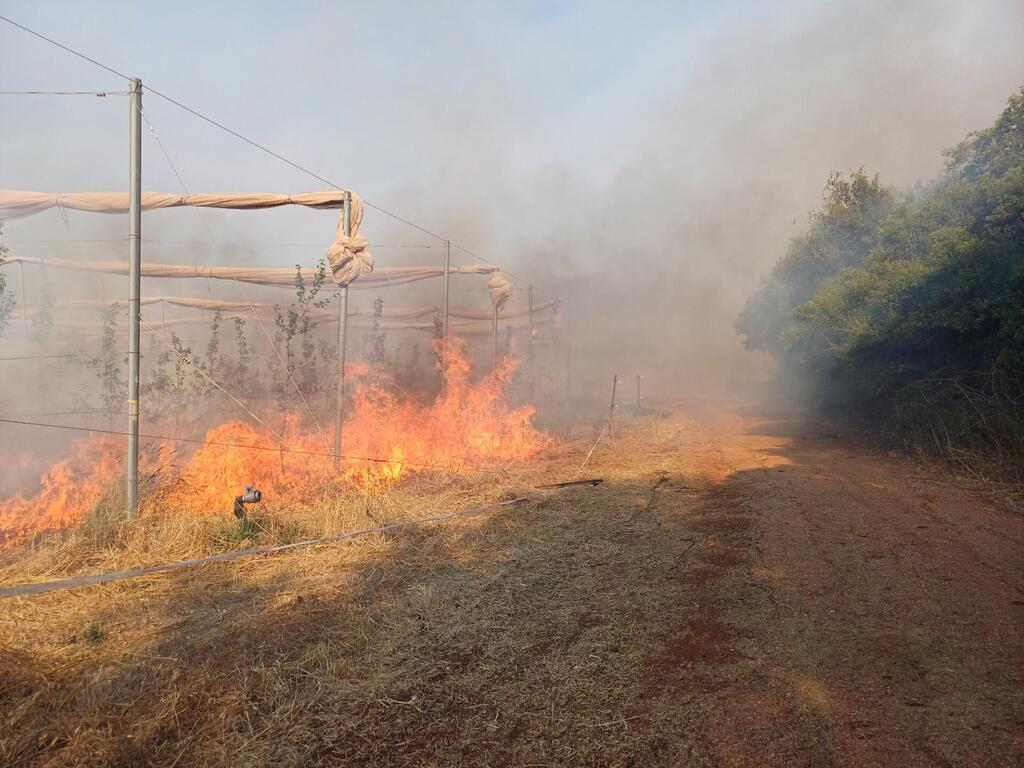
Burning orchards in the north
(Photo: Annat Zisovich Charitt)
At the same time, agriculture operates on fixed seasonal cycles. Orchards and vineyards take years to mature, meaning each missed planting season delays the return to full productivity.
To accelerate recovery, the nonprofit ReGrow Israel has launched a $14 million, two-year initiative aimed at helping farmers replant damaged land more quickly. The program will support orchard restoration while also introducing improved cultivation techniques such as stronger trellis systems and protective netting designed to increase resilience in future conflicts.
So far, $4.3 million has been raised for the effort through contributions from organizations including The Jewish Federations of North America, JNF Netherlands, UJIA, and several private family foundations.
“Without securing agriculture, there is no foundation upon which Israel can rebuild the north,” said Danielle Abraham, executive director of ReGrow Israel. “These communities are agricultural at their core. Replanting is not just about crops — it’s about rebuilding livelihoods and enabling people to return home.”
Across the region, farmers are already preparing soil, sourcing saplings and repairing irrigation systems while the planting season remains open. For many, the work represents more than restoring their farms. It is also part of rebuilding the communities that anchor Israel’s northern border.