

The U.S. dollar has dropped significantly in recent weeks and is now trading around 3.08–3.09 shekels—its lowest level in more than four years. You’ve probably heard people talking about it lately, or maybe you’ve started paying attention yourself. But why is the dollar falling now, how is the exchange rate determined in the first place, and why does it even matter? Ynet breaks it down.
What is an exchange rate?
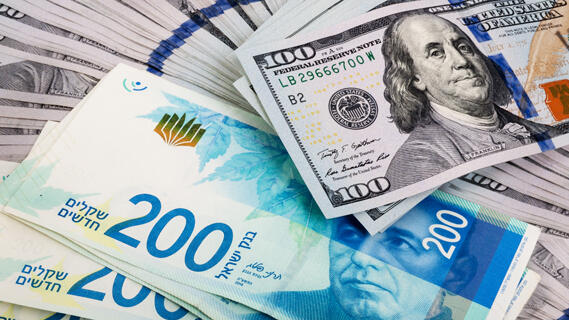
The exchange rate is simply the price of one currency relative to another. So when people say, “The dollar is at 3.60 shekels,” it means you need to pay 3.60 shekels to buy one U.S. dollar. It’s just like the price of bread or milk—except instead of buying a product, you’re buying currency.
How is the exchange rate determined?
In Israel, the exchange rate is determined by a “floating rate” system, meaning it's set by supply and demand in the foreign exchange market—just like any other product. If demand for dollars is high and supply is limited, the price goes up. If many people want to sell dollars and few want to buy, the price drops.
Who buys and sells dollars?
It’s not just travelers heading abroad. The main players include:
- Israeli companies that import goods and need dollars to pay overseas suppliers
- Exporters who earn income in dollars and want to convert it into shekels
- Foreign investors buying Israeli stocks or bonds
- The Bank of Israel, which occasionally intervenes
- Tourists and individuals needing foreign currency
What makes the dollar rise or fall?
A range of factors can influence the dollar’s strength. First, interest rate differences: if U.S. interest rates are higher than in Israel, investors tend to favor the U.S., increasing demand for dollars and pushing the rate up.
Second, the state of the economy: a strong Israeli economy attracts foreign investors who bring in dollars and sell them to buy shekels—driving the dollar down.
Third, the trade balance: if Israel imports more than it exports, demand for dollars increases, which can push the rate up.
Political and security events also play a big role. In times of crisis or uncertainty, investors flock to “safe haven” currencies like the dollar, which drives its value higher. Expectations matter too—if investors believe the dollar will strengthen in the future, they buy now, which boosts demand and raises the rate.
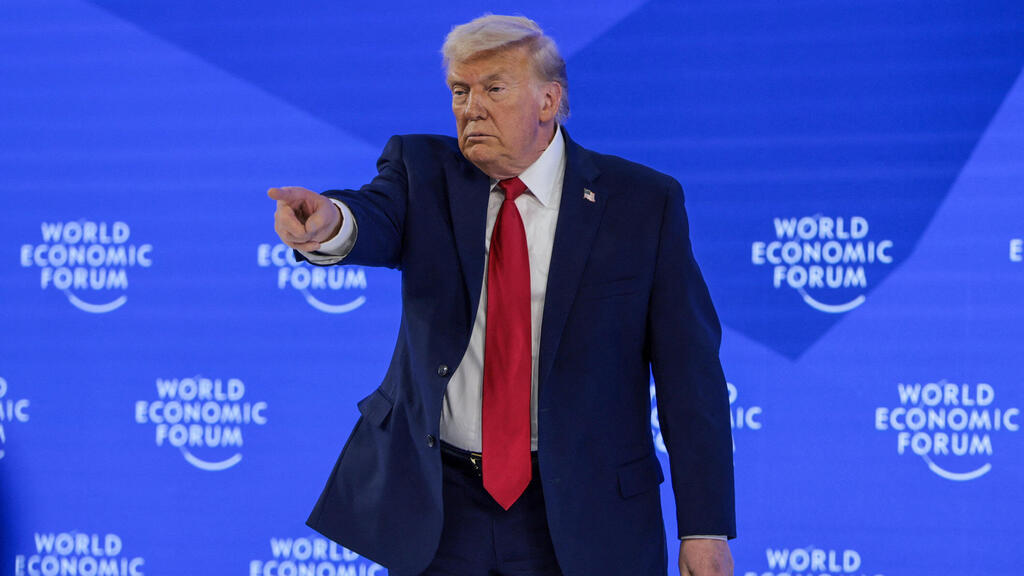
One reason the dollar is weakening now is growing global uncertainty tied to former U.S. President Donald Trump
(Photo: Jonathan Ernst/Reuters)
Interestingly, one key reason the dollar is weakening now—not just in Israel—is growing global uncertainty tied to former U.S. President Donald Trump. From talk of annexing Greenland to his threats of tariffs and the possibility of a U.S. military strike on Iran, markets prefer stability—and Trump’s unpredictability has dampened enthusiasm for the greenback.
How does the Bank of Israel intervene?
The Bank of Israel announces the daily “representative rate” at 3:30 p.m., but it doesn’t actually set it. Still, it can influence the rate. If the dollar is rising too quickly and the Bank is concerned, it can sell dollars from its reserves (currently around $200 billion), increasing supply and pushing the rate down.
Conversely, if the dollar falls too quickly, the Bank can buy dollars, increasing demand and boosting the rate. In recent days, many exporters have called on the Bank to intervene, arguing that the sharp drop is hurting their earnings. So far, the Bank is staying on the sidelines.
Why does this matter to ordinary people?
A strong dollar—meaning it takes more shekels to buy one—has wide-ranging effects. For one, it makes imports more expensive: electronics, clothing, fuel and imported food all go up in price. It also makes vacations abroad pricier—a trip to Miami, for example, will cost more in shekels.
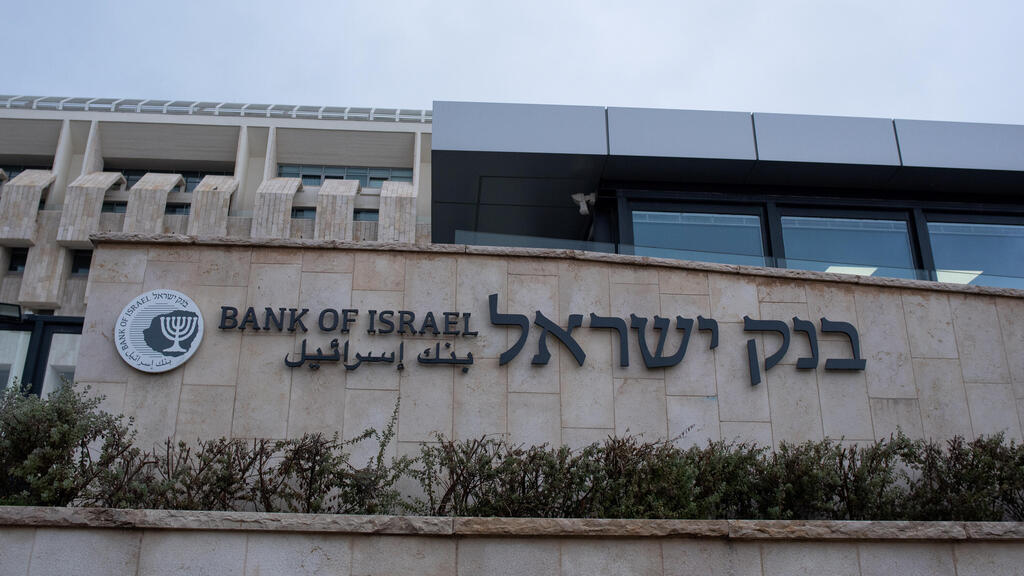
So far, the Bank of Israel has not intervened
(Photo: Shilo Shalom)
Higher import costs also contribute to inflation, as rising prices ripple through the economy.
On the other hand, a strong dollar is good for Israeli exporters, who earn more shekels for each dollar they bring in from abroad. It’s also good for anyone with savings in dollars—their value in shekels increases.
How can you track the exchange rate?
The dollar exchange rate is updated in real time in the foreign exchange (forex) market, which operates 24 hours a day, five days a week. You can monitor the rate through bank websites and financial apps. As noted, the Bank of Israel publishes the official “representative rate” daily, which reflects the average rate from the previous day and is used for accounting and tax purposes.