

Four of the world’s largest technology giants — Alphabet, Amazon, Meta and Microsoft — published their financial results for the first quarter of 2026 on Wednesday evening, and all beat analysts’ forecasts by a significant margin.
Growing demand for cloud and artificial intelligence services continued to serve as a key growth engine, but the companies’ enormous projected capital spending on AI infrastructure continues to weigh on investors. Altogether, the major cloud companies are expected to spend about $650 billion on capital expenditures in 2026.
Alphabet: Cloud revenue jumps 63%
Google’s parent company ended the first three months of the year with revenue growth of 21.8% to $109.9 billion, while the market had expected revenue of $107.2 billion. This was Alphabet’s 11th consecutive quarter of double-digit growth. Adjusted earnings reached $5.11 per share, far above expectations of $2.62 per share. Google shares rose 4.4% in late Nasdaq trading.
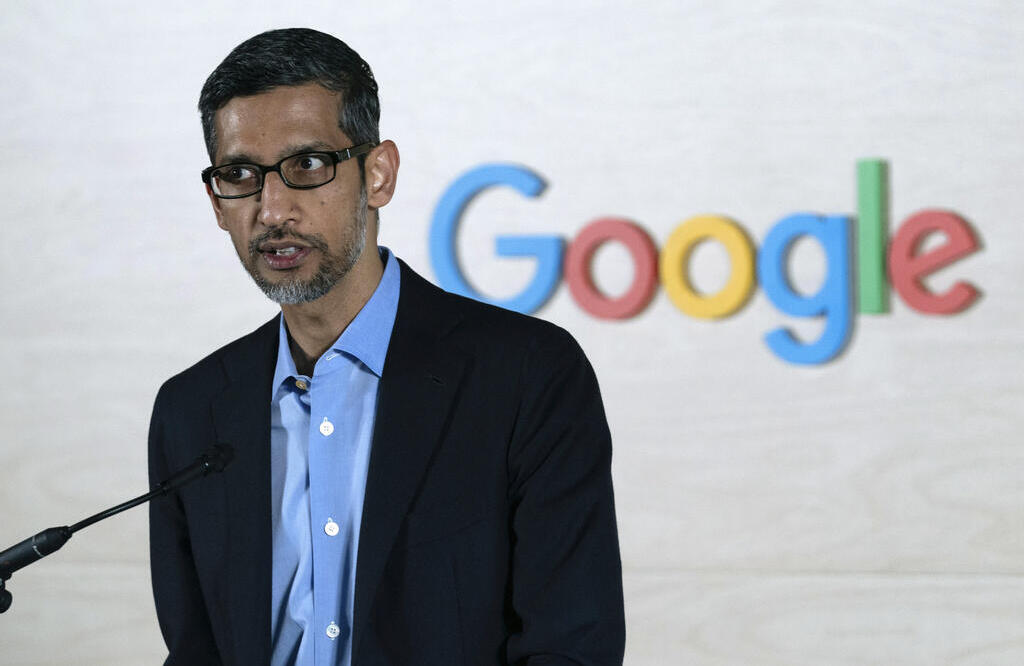
The cloud business posted particularly strong results, with revenue jumping 63% to $20 billion, above forecasts of $18.1 billion. The cloud unit’s order backlog nearly doubled from the previous quarter and crossed $460 billion. Google Services revenue rose 16% to $89.6 billion, with search growing 19% and YouTube advertising revenue rising 11% to $9.9 billion. Net profit surged 81%, partly due to a net gain of $37.7 billion, mainly from unrealized gains on nonmarketable investments.
Alphabet said its number of paid subscribers reached 350 million, while Gemini Enterprise posted 40% growth in paid active users. The company also announced a 5% increase in its quarterly dividend to 22 cents per share, and expects 2026 capital expenditures of $175 billion to $185 billion — with the upper end of the forecast more than double its 2025 investment. Last week, Alphabet also announced a plan to commit up to $40 billion to Anthropic, developer of the Claude model.
Microsoft: Azure jumps 39% as spending falls
Microsoft ended a strong third quarter with revenue of $82.9 billion, up 18% from $70.1 billion in the same quarter last year and above the forecast of $81.4 billion. Earnings per share stood at $4.27, up 23% from $3.46 in the same quarter last year and above expectations of $4.07. Operating income totaled $38.4 billion, up 20%.
The main growth driver remains the cloud division, with Azure revenue growing 39% excluding currency effects, well above the company’s own forecast of 37% to 38%. Revenue from the Intelligent Cloud division totaled $34.7 billion, while AI contributed a full 9 percentage points to Azure’s growth rate in the quarter. The productivity division, including Office and LinkedIn, posted revenue of $21.4 billion, up 14%, while the personal computing division, including Windows and gaming, recorded revenue of $16.2 billion, with weakness in hardware sales.
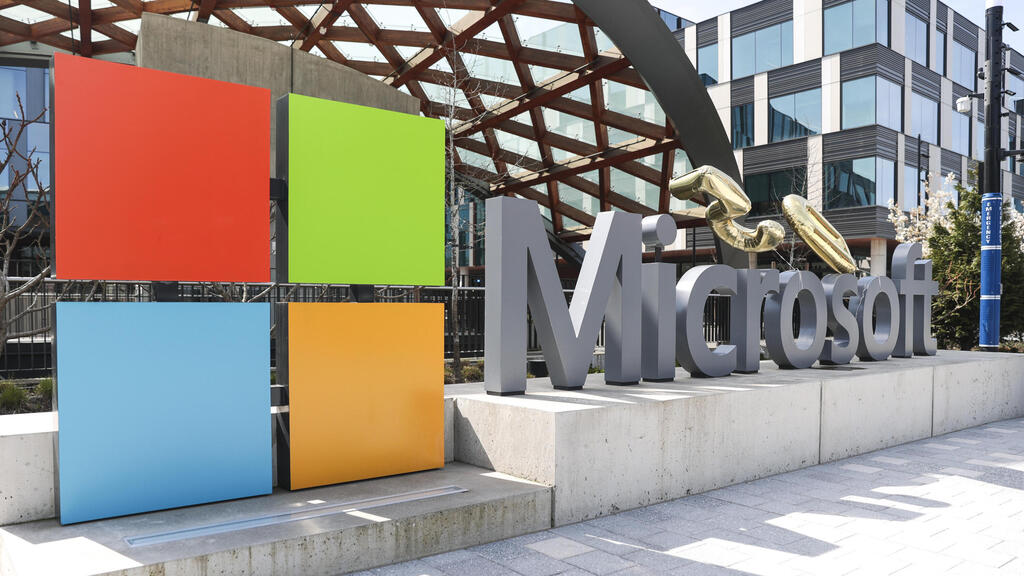
Microsoft headquarters in Washington
(Photo: Jason Redmond/AP)
A positive surprise came in capital expenditure figures, spending on infrastructure and GPUs, which totaled $31.9 billion — about $3.4 billion below expectations — signaling greater efficiency in infrastructure investments. The company generated $46.7 billion in operating cash flow and returned $10.2 billion to shareholders during the quarter through dividends and share buybacks. Still, Microsoft shares fell 1.5% in late trading.
Meta: Strongest growth in five years
Meta recorded its strongest growth in five years, with first-quarter revenue of $56.31 billion, up 33% and above analysts’ forecasts of $55.45 billion. Net profit jumped 61% to $26.77 billion, while earnings per share reached $10.44, compared with expectations of $6.79. The unusual jump was due to an $8.03 billion tax benefit recognized in the quarter. Without the tax benefit, earnings per share would have been $7.31 — still significantly above forecasts.
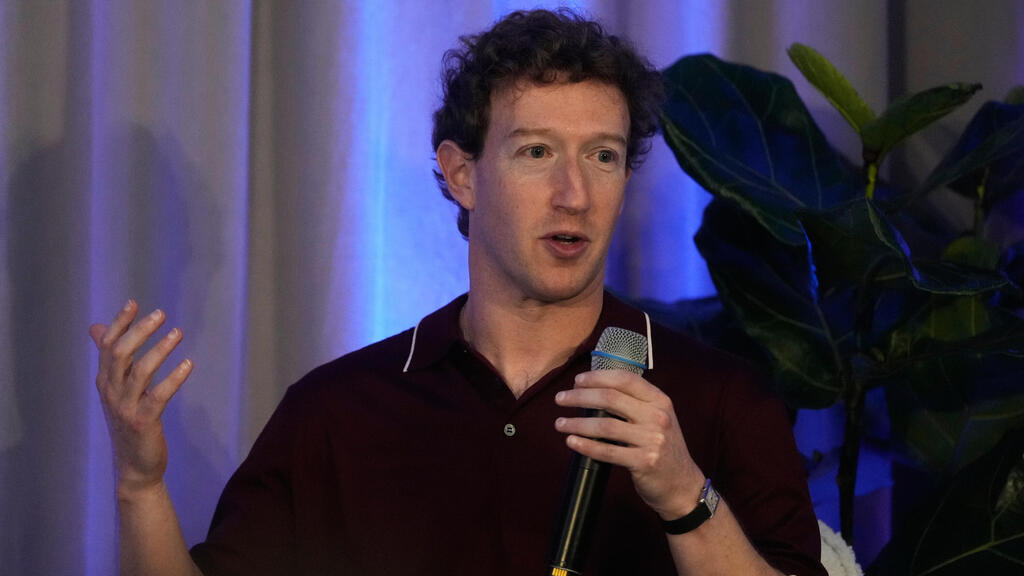
Meta CEO Mark Zuckerberg
(Photo: Jeff Chiu/AP)
Revenue growth was driven in part by a 12% increase in the average price per ad, alongside a 19% rise in the number of ads shown on the company’s platforms. Daily users across Meta’s family of apps — Facebook, Instagram, WhatsApp and Messenger — rose 4% to 3.56 billion people, though unusually, the figure declined by 2 million compared with the first quarter of the year. Meta said the drop was due to internet disruptions in Iran and restrictions on WhatsApp access in Russia. Almost all of Meta’s revenue, $55.02 billion, or 98%, came from advertising. Its metaverse division, Reality Labs, posted a 2% decline in revenue to $402 million and an operating loss of $4.03 billion.
For the current quarter, Meta expects revenue of $58 billion to $61 billion, but raised its full-year capital expenditure forecast to $125 billion to $145 billion, up from $115 billion to $135 billion in its previous report. The figure mainly reflects investments in AI infrastructure. Following the update, the stock fell 5% in late trading.
Amazon: AWS and advertising beat forecasts
Amazon recorded first-quarter revenue of $181.5 billion, compared with expectations of $177.13 billion. In the same quarter last year, revenue stood at $155.7 billion. Earnings per share jumped to $2.78, far above expectations of $1.63 and compared with $1.59 in the same quarter last year. AWS cloud revenue reached $37.59 billion, above forecasts of $36.64 billion, while advertising revenue totaled $17.24 billion, compared with expectations of $16.87 billion. Despite the results, Amazon shares fell in late trading.
The strong reports from the four giants come as investors look for signs that Big Tech’s huge investments in artificial intelligence infrastructure are beginning to pay off. While the financial results indicate that AI-based growth engines are working, the jump in capital expenditure forecasts, especially at Meta and Alphabet, continues to weigh on investor sentiment.