


New Yorkers are now lining up for bread. Not a stuffed pastry, a sandwich or a cake, but a large, round loaf of sourdough rye that costs $60 and weighs about 3.3 pounds, or 1.5 kilograms. Rye, a bakery opened in SoHo this month by Austria’s Auer family, became an almost instant Manhattan sensation. Some people are furious about the price. Others come simply to see what all the fuss is about. And the 23-year-old owner says the bread sells out on most days.
The shop is built around just one product: rye bread. Next to the retail space is an open bakery where customers can watch bakers knead dough and shape loaves. There are no baguettes, croissants or cookies waiting at the counter for anyone who suddenly decides $60 is too much to spend on bread.
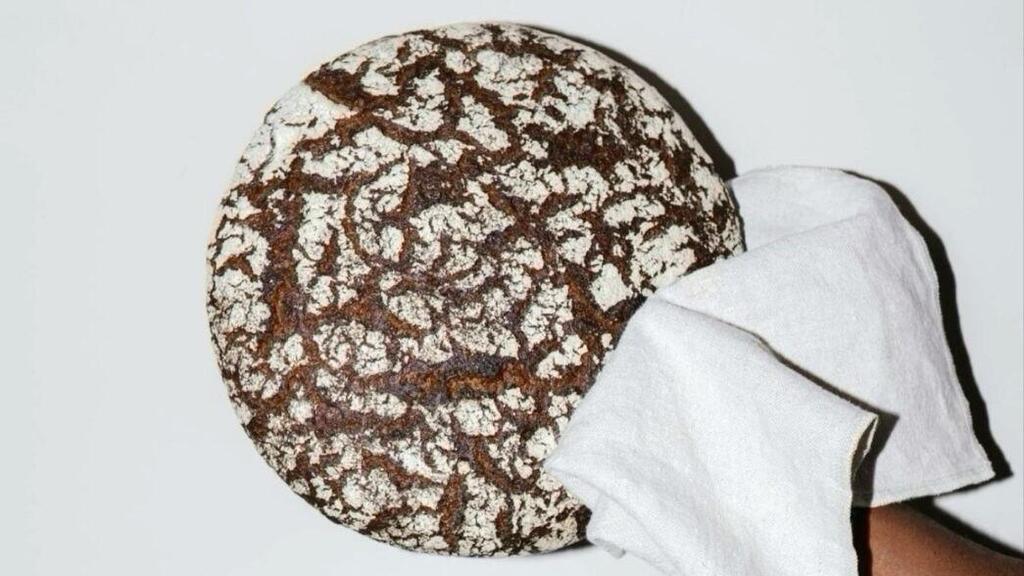
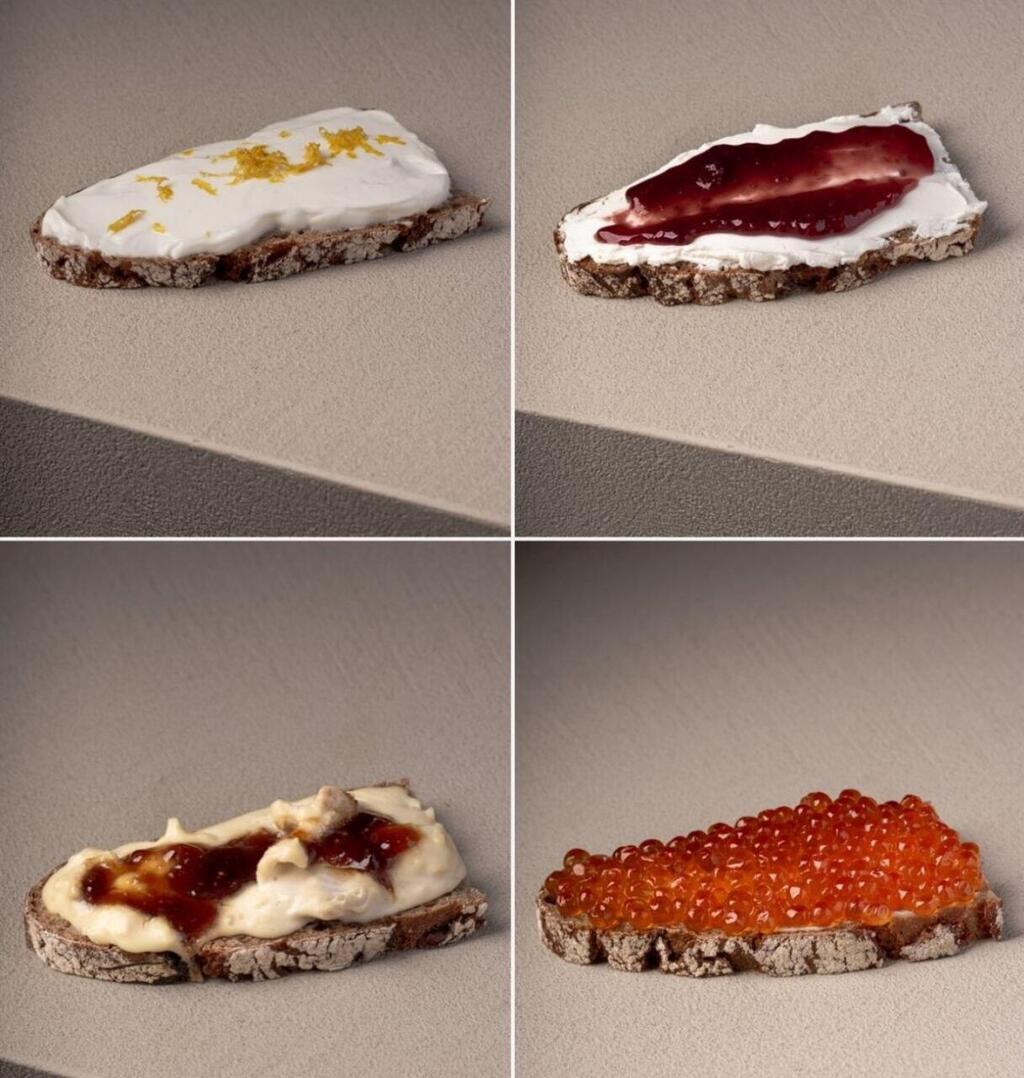
You can also buy individual slices topped with spreads for $14
(Photo: RYE Instagram)
There are, however, cheaper ways to try it. A half loaf costs $30, a quarter costs $15, while individual slices topped with spreads and other ingredients range from $6 to $14. At the expensive end of the menu is rye bread topped with fish roe. At the other end: butter and chives.
Martin Auer and his son Tim brought to New York the rye bread their family business has been baking in Graz, Austria, for more than 50 years. The SoHo shop is the company’s first location outside Austria, although this is hardly a tiny family bakery. Auer operates 42 branches in Austria and employs about 800 people.
For New York, however, the family chose to abandon the rest of its baked goods and devote an entire store to a single loaf. Its ingredient list is short: organic rye flour imported from Austria, water and salt.
The “fourth ingredient,” as the family likes to describe it, is time. The sourdough starter requires daily care. The dough undergoes a fermentation process that can last as long as 24 hours, and after baking, each loaf must rest for another eight to 12 hours. Cut it too early, the bakery says, and its moist, dense interior can collapse.
That does not mean each loaf requires a day and a half of labor, but the process does demand space, equipment and careful production planning. Imported flour costs money. So does operating a bakery in SoHo.
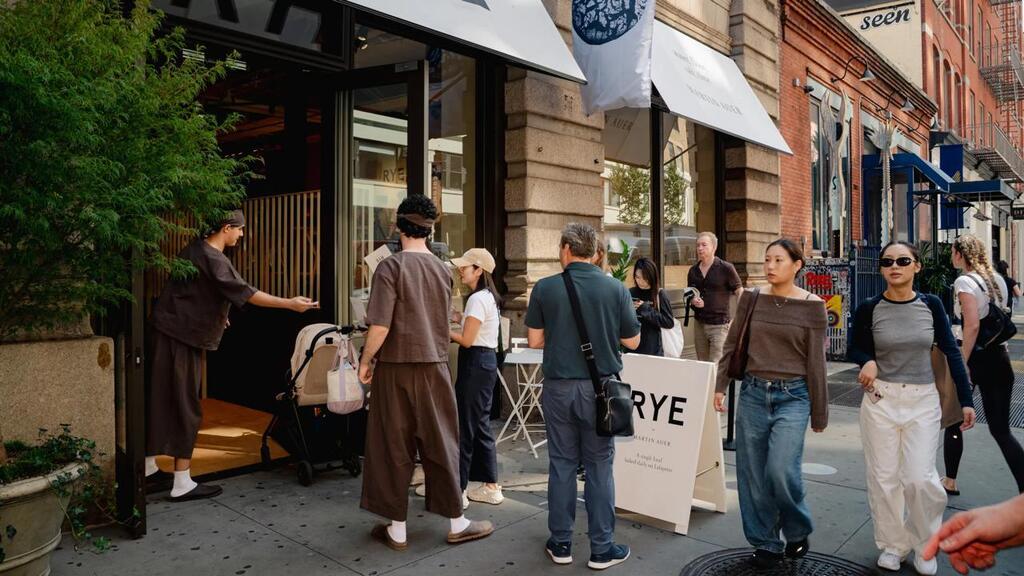
RYE
(Photo: RYE by Martin Auer)
Still, one comparison is difficult for the family to explain away. The same loaf sells in Austria for 14 euros, a little over $16. In New York, it costs almost four times as much. Tim Auer says the price reflects not only the loaf’s size but also the cost of running a business in New York and baking everything on site.
There is no publicly available figure for what the family pays in rent, so it is impossible to say how much of that $60 ends up with the landlord. Another benchmark is easier to calculate. New York City’s minimum wage is $17 an hour this year. A worker earning minimum wage would need to work roughly three and a half hours before taxes to buy one loaf.
The accessories surrounding the bread make clear that Rye is selling more than basic sustenance. Its website offers a ceramic bread box produced in a limited edition of 99 pieces, with a wooden lid that doubles as a cutting board, for $480. A dedicated bread knife costs $230. The knife was designed by Tomer Botner, an Israeli industrial designer who makes knives in Barcelona.
Those numbers help explain the online backlash. But the scene outside the bakery tells a more complicated story. Customers do not have to spend $60 to find out what the bread tastes like. Many buy only a slice or quarter loaf. The staff also lets customers inside in small groups, meaning a line outside the store is not necessarily evidence of a bread shortage.
Some visitors said they waited only about three minutes. Others spent $24 on three topped slices and still left hungry. Most, however, concede that the bread itself tastes good.
A food critic for the New York Post described a moist interior, a nutty and slightly sweet flavor and a firm crust, though some tasters at the newspaper found the texture too sticky. One of the cheaper options is a slice served with peanut butter and jam. The jam is Austrian. The peanut butter is supermarket-bought Skippy.
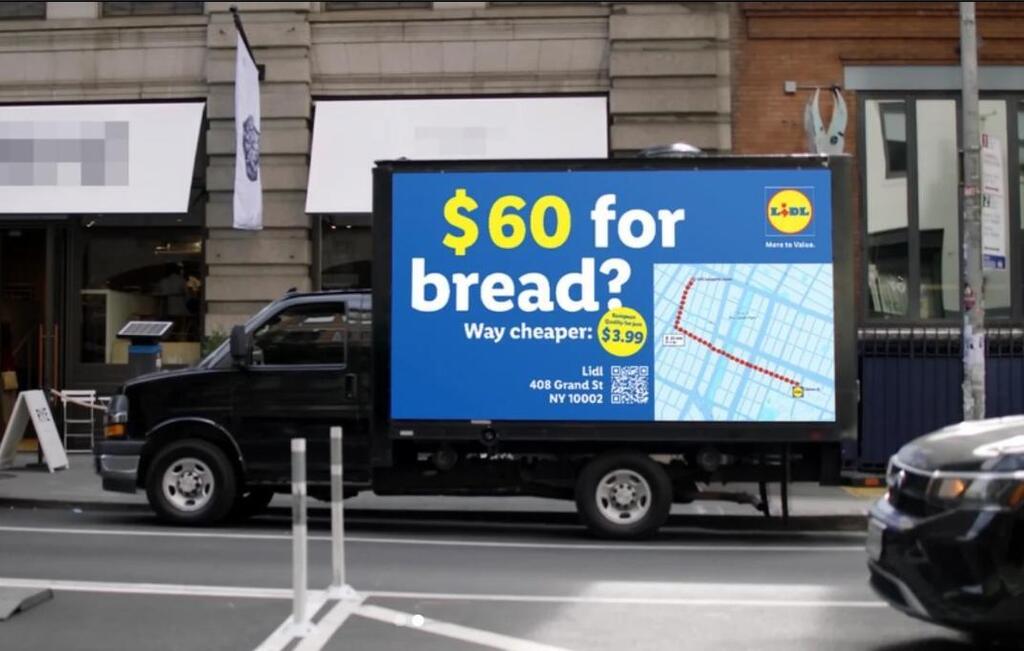
Lidl’s counter-ad
(Photo: Lidl)
The $60 loaf has even inspired a rival to take the fight directly to Rye’s doorstep. German supermarket chain Lidl sent an advertising truck outside the bakery carrying the question: “$60 for bread?” and directing shoppers to its own $3.99 loaf. Another Lidl ad calculated that $60 could instead buy 122 of its croissants.
Those who do buy Rye’s loaf receive one important instruction: do not refrigerate it. According to the Auers, the thick crust helps keep the bread fresh for as long as 10 days. If it begins to dry out, they recommend lightly wetting it and toasting it.
None of that initially impressed one woman encountered at the entrance, who complained about both the price and the wait and promised to post a critical video about the bakery. A few minutes later, she emerged from the shop with a rather different verdict. “It really is exceptional.”