

Volkswagen has been grappling with one of the most serious crises in its history as Chinese automakers erode its sales both internationally and in Germany, while the company has struggled to establish itself as a leader in the electric-vehicle market.
The crisis has forced the company to consider sweeping measures, including mass layoffs, the closure of production lines and the conversion of some automotive capacity to defense manufacturing.
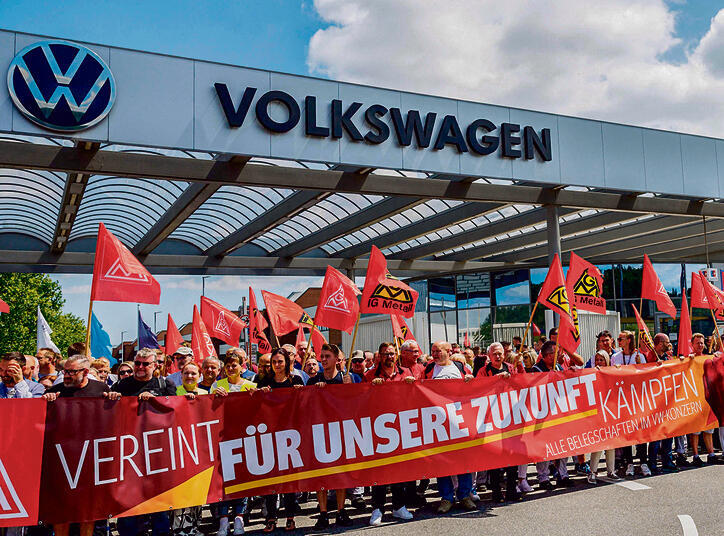
Under the proposed agreement, Israel's Rafael Advanced Defense Systems planned to manufacture components for Iron Dome systems, potentially saving thousands of German jobs at the Osnabrück site, threatened by the planned end of vehicle production at the factory.
However, German daily Bild reported that the Qatar Investment Authority, which owns 10.4% of Volkswagen shares and controls about 17% of its voting rights, opposed the arrangement because the company involved was Israeli.
The decision has created a bitterly ironic situation in which Qatar, which transferred billions of dollars that helped strengthen Hamas, is now using its wealth to block Israel from producing systems designed to defend itself against attacks by the terrorist organization.
Volkswagen’s consideration of defense manufacturing had already drawn criticism from German peace activists and opposition parties, which argued that the company should continue producing exclusively for the civilian market.
The objections came despite warnings that Volkswagen could be forced to eliminate tens of thousands of jobs unless it restructures its production operations in response to declining demand for its vehicles.
The protests intensified after it emerged that the proposed partner was an Israeli company. Far-left activists, backed by Germany’s opposition Die Linke Party, argued that the deal was unacceptable because Prime Minister Benjamin Netanyahu’s government was engaged in military operations across the Middle East. Some also accused Israel of genocide and crimes against humanity over the war in Gaza.
Other German officials and commentators have accused Qatar of exploiting the economic vulnerability of both Volkswagen and Germany more broadly to influence Berlin’s foreign policy, particularly on issues involving Israel and the Middle East.
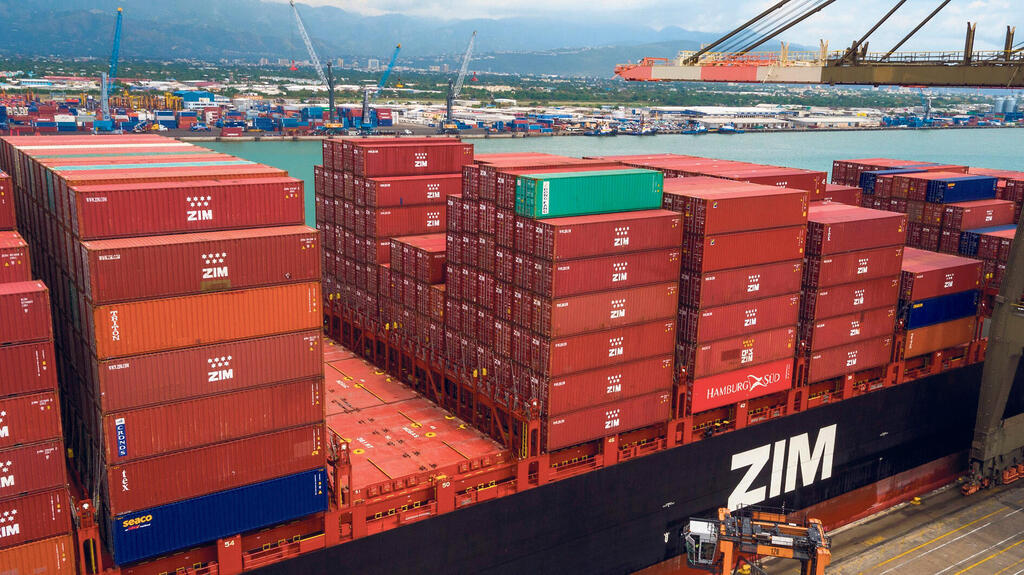
A ZIM cargo ship. The deal is in jeopardy
(Photo: ZIM)
Volkswagen confirmed that its Qatari shareholders had blocked the proposed cooperation at the Osnabrück plant, according to the report. The automaker said it would continue examining other partnerships in an effort to secure the site’s future. The plant currently employs 2,300 people, all of whom face losing their jobs at the end of 2027, when vehicle production there is scheduled to cease.
But the controversy extends beyond Volkswagen. According to Bild, a separate $4.2 billion deal under which German shipping giant Hapag-Lloyd was expected to acquire Israel’s ZIM also appears likely to collapse.
Senior Israeli officials quoted by the German newspaper said the concerns again stem from Qatari and Saudi involvement in the German company. Qatar’s sovereign wealth fund owns 12.3% of Hapag-Lloyd, while Saudi Arabia’s sovereign wealth fund holds 10.2%.
In this case, however, the deal was reportedly blocked by Israeli government and defense officials, who concluded that transferring ZIM to the German company could jeopardize a strategically important national asset.
Defense Minister Israel Katz was quoted as saying that “in the event of a national emergency, the sale would not protect Israel’s security interests.”