


Israel’s energy independence could be severely harmed within about 22 years unless the government changes how it manages natural gas reserves, electricity demand and emergency preparedness, State Comptroller Matanyahu Englman warned in a report released Wednesday.
The report criticized the Energy Ministry’s handling of Israel’s natural gas reserves and liquefied petroleum gas market, saying government planning has failed to keep pace with rising electricity demand driven by population growth, climate pressures and the expected expansion of energy-intensive data centers tied to artificial intelligence.
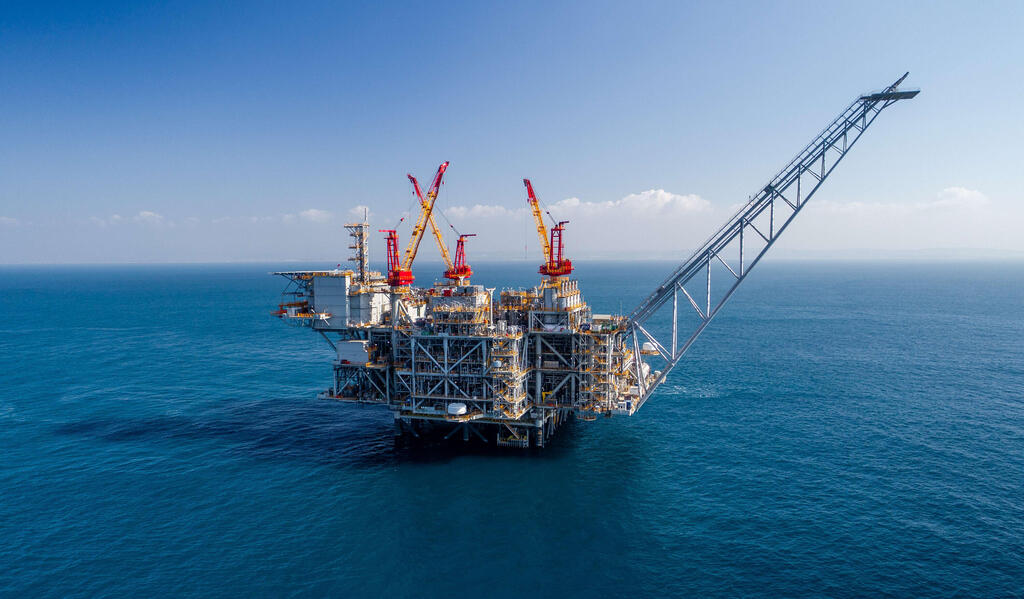
According to the comptroller, Israel may be forced to import natural gas or rely on other energy sources that have not yet been approved. The report said Israel’s gas reserves are expected to be depleted by the early 2050s and could run out about four years earlier if the recommendations of an interministerial committee on natural gas policy, known as the Dayan Committee, are adopted.
Englman said the committee, established in February 2024 and led by Energy Ministry Director-General Yossi Dayan, has not issued final conclusions. He said its planning underestimates future demand, including from AI data centers and climate-related needs, which could add about 41.5 billion cubic meters of consumption.
The report said the committee recommended preserving 440 BCM of gas for the domestic market, 75 BCM less than the 515 BCM in demand that the committee itself projected through 2048. That amount would be sufficient for only about 20 years, the comptroller said.
The report also warned that Israel has no natural gas storage capacity, listing current capacity at 0 BCM. It said the Natural Gas Authority has examined storage alternatives for 14 years and issued a public request in November 2025, but said the steps were too limited and too late to ensure energy security.
The comptroller warned that damage to Israel’s offshore gas platforms could immediately affect the country’s electricity production without an adequate backup system.
The report also cited concentration, barriers to entry and structural failures in the natural gas and LPG markets. LPG, commonly used as cooking gas, affects households directly. Englman said the state failed to connect smaller gas reservoirs to the domestic market and that a 2019 exemption from connection requirements did not attract new developers as expected.
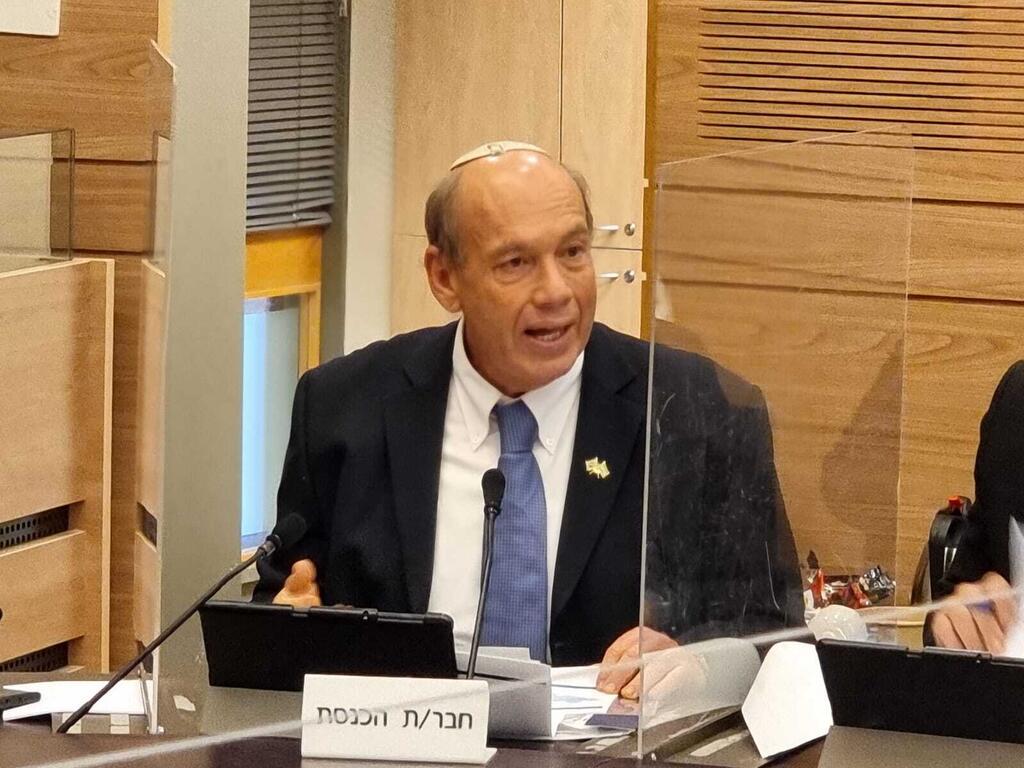
State Comptroller Matanyahu Englman
(Photo: State Comptroller's Office)
According to the report, only four gas exploration tenders were issued from 2016 to 2024. The first three produced no significant results, and the full results of the fourth, issued in December 2022, have not been published.
The comptroller also criticized the Energy Ministry’s authority to approve exports of all available gas at its discretion, without required consultation with geopolitical, economic and environmental officials. He said the economic model used by the ministry is incomplete and overly sensitive to global liquefied natural gas prices.
As of 2024, about 70% of Israel’s electricity was produced from natural gas extracted from the Tamar, Leviathan and Karish-Tanin fields, accounting for 45% of the country’s primary energy consumption, the report said. Despite that dependence, Englman said the Energy Ministry has not approved a master plan for the energy sector in two decades, despite previous warnings in 2012, 2016, 2020 and 2024.
The report said 49% of the gas produced from Israel’s proven reserves was exported to Egypt and Jordan as of early 2024. Israel’s proven reserves were later updated retroactively at the end of 2025 to about 870 BCM, the report said.
Englman said reserves have increased by about 126 BCM since the Tzemach Committee, which previously set gas policy guidelines, but the state did not increase the amount that must be preserved for the domestic market. That allows the Energy Ministry to approve exports of about 105 BCM of available gas, he said.
The comptroller urged the government and Energy Ministry to update electricity demand forecasts, account for AI and climate-related energy needs, establish storage and import infrastructure, reassess export policy and reduce concentration in the gas and LPG markets.
“The role of the state is to ensure that natural gas resources are used in a way that maximizes their value for the Israeli public,” the report said.
The Energy Ministry said in response that existing natural gas reserves are sufficient for more than 20 years. It said it is working to increase green energy production to 35% by 2035, reducing reliance on natural gas, and is promoting additional exploration.
The ministry said it is advancing new drilling and that exploration processes involving BP and SOCAR are expected to begin in September. It said licenses will be awarded through a competitive process.
The ministry said the Dayan Committee’s recommendations are expected to be published in the coming weeks.
On the delayed fifth gas exploration tender, the ministry said the documents are ready but that publication is intended mainly for international companies and will take place once the security situation stabilizes and the international climate allows it.