

Anthropic on Monday filed a lawsuit to block the Pentagon from placing it on a national security blacklist, escalating the artificial intelligence company’s dispute with the U.S. military over restrictions on the use of its technology.
In its lawsuit, Anthropic said the designation was unlawful and violated its free speech and due process rights. The filing in federal court in California asks a judge to overturn the designation and block federal agencies from enforcing it.

“These actions are unprecedented and unlawful. The Constitution does not allow the government to wield its enormous power to punish a company for its protected speech,” Anthropic said.
The Pentagon on Thursday placed a formal supply-chain risk designation on Anthropic, limiting the use of its technology. A source said the technology had been used for military operations in Iran.
Defense Secretary Pete Hegseth ordered the designation after the startup refused to remove safeguards preventing its AI systems from being used for autonomous weapons or domestic surveillance. The two sides had been in increasingly contentious talks over those limitations for months, Reuters previously reported.
Anthropic officials said the lawsuit does not rule out reopening negotiations with the U.S. government or reaching a settlement. The company has said it does not want to be in conflict with the government.
The Pentagon declined to comment on the litigation. A Pentagon official said last week that the two sides were no longer in active talks.
The designation poses a significant threat to Anthropic’s government business and could influence how other AI companies negotiate limits on military uses of their technology. However, CEO Dario Amodei said Thursday that the designation has a “narrow scope,” adding that companies can still use Anthropic’s tools for projects unrelated to the Pentagon.
President Donald Trump has also directed the government to stop working with Anthropic, whose investors include Alphabet’s Google and Amazon. Trump and Hegseth said there would be a six-month phaseout.
Reuters previously reported that Anthropic’s investors were working to limit the fallout from the company’s dispute with the Pentagon.
Trump and Hegseth took action on Feb. 27 after months of negotiations with Anthropic over whether the company’s policies could limit military operations. The move came shortly after Amodei met with Hegseth in an effort to reach an agreement.
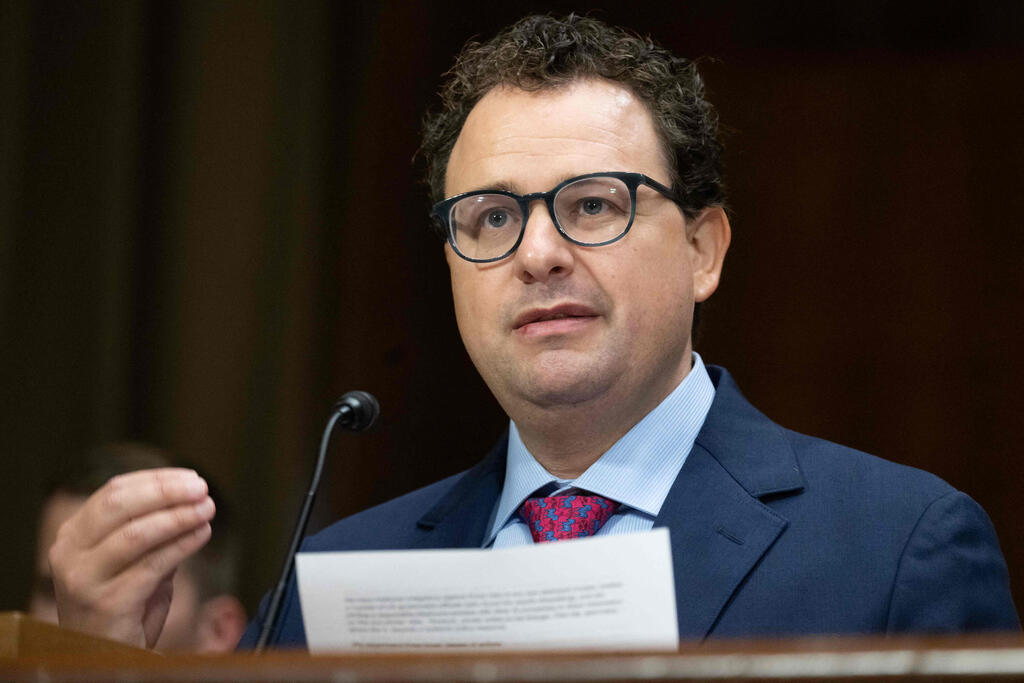
Anthropic CEO Dario Amodei
(Photo: SAUL LOEB / AFP)
The Pentagon has said U.S. law — not private companies — should determine how the country defends itself. Officials have insisted on having full flexibility to use AI for “any lawful use,” arguing that Anthropic’s restrictions could endanger American lives.
Anthropic has said even the most advanced AI systems are not reliable enough to be used in fully autonomous weapons and warned that such use could be dangerous. The company has also refused to allow its technology to be used for domestic surveillance of Americans, saying it would violate fundamental rights.
After the designation was announced, Anthropic said the move was legally unsound and could set a dangerous precedent for companies negotiating with the government. The company said it would not be swayed by “intimidation or punishment,” and Amodei reiterated Thursday that Anthropic would challenge the decision in court.
Amodei also apologized for an internal memo published Wednesday by the tech news site The Information. In the memo, written last Friday, he said Pentagon officials did not like the company in part because “we haven’t given dictator-style praise to Trump.”
The Defense Department has signed agreements worth up to $200 million each with several major AI companies over the past year, including Anthropic, OpenAI and Google.
Microsoft-backed OpenAI announced a deal to deploy its technology on Defense Department networks shortly after the Pentagon moved to blacklist Anthropic. CEO Sam Altman said the Pentagon shares OpenAI’s principles of maintaining human oversight of weapons systems and opposing mass surveillance of Americans.