

In the chaotic days after Hamas’ Oct. 7 attack on Israel, Brian Spivak found himself at the center of advocacy work for the hostages. As he helped build and run the influencer program at the Hostages and Missing Families Forum, he said he noticed a pattern: Public figures who spoke up for Israel and the hostages were often paying a professional price for doing so—online harassment, losing followers and watching brand deals disappear.
That, he said, became the starting point for Barzel Media, the agency he later launched to connect pro-Israel creators with paid partnerships and broader marketing support.
“What I noticed was that any influencer or celebrity who was standing up for Israel and the Jewish people and talking about the hostages, they were suffering themselves,” Spivak said in an interview. “They were losing followers. They were getting harassed. And, most importantly, they were losing their brand partnerships.”
Spivak described the company as both a marketing agency and a response to what he sees as a structural weakness in the pro-Israel advocacy ecosystem online.
“If you’re a content creator and that’s your main job, it’s probably your only source of income, or at least 90% of it,” he said. “After Oct. 7, nobody was looking out for them financially. People were saying, ‘We need your help. Thank you for doing this. It’s great.’ But I realized that wasn’t sustainable. Anyone who uses their platform to stand up for Israel and the Jewish people should have the economic ability to keep doing it.”
In his view, creators who make Israel advocacy their entire identity often end up “speaking into the echo chamber,” while influencers in lifestyle, fitness, fashion and finance can reach broader audiences but are less likely to jeopardize their income without support.
“To me, the most important, the most valuable people are the ones who are cultural influencers in their specific space,” he said. “Those are the folks who have the most value. And the problem is that we’re losing them left and right because they’re not incentivized to stand up for Israel.”
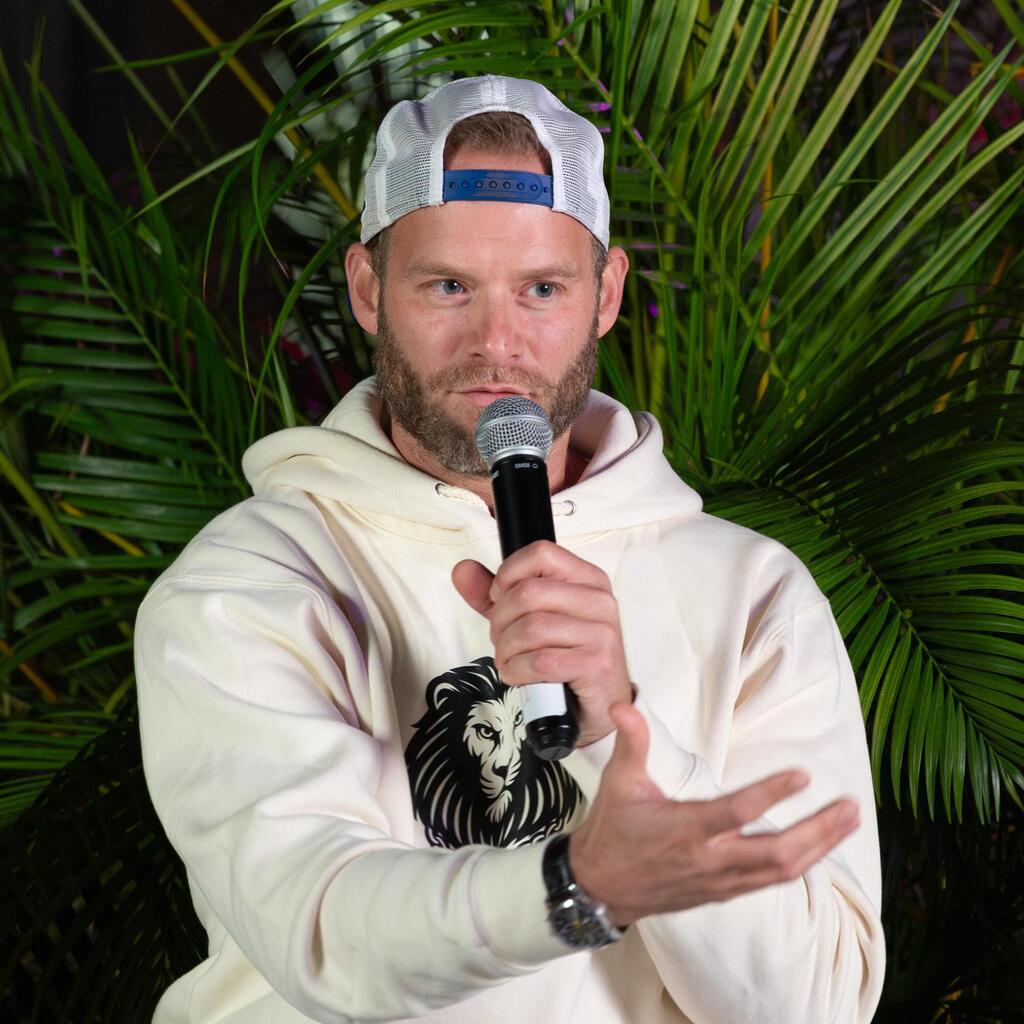
Brian Spivak
(Photo: Courtesy)
His pitch to those creators is simple: standing up for Israel should not mean sacrificing a livelihood. “We reach out to them and say, ‘Hey, we have a partnership with this fitness company, and you’re a fitness influencer. By the way, the reason why I reached out to you is because in the past you stood up for Israel,’” Spivak said. “‘You’re telling me that I can actually be passionate about what I believe in and my values and still ensure that I have a livelihood?’ So this is the real reframe that we’re providing in this space right now.”
Spivak said Barzel Media is independent and bootstrapped, not a government-backed project. He launched the business after concluding that no one else was addressing the financial fallout faced by some pro-Israel creators. “At a certain point, I was like, ‘all right, if not me, then who? And if not now, then when?’”
For brands, Spivak said the company’s ideal campaign is not explicitly political. He said the goal is usually to place a brand with creators who are already culturally relevant in their own fields and who also happen to be openly supportive of Israel.
He gave SodaStream—an Israel-based company owned by PepsiCo—as an example of a company he would like to work with, imagining campaigns built around food creators, chefs and lifestyle influencers.
“These influencers wouldn’t be people who were talking about Israel and Judaism all day long, because that’s not helpful for SodaStream,” he said. “We would find culturally relevant influencers who happen to be pro-Israel.”