


As someone who always knew how to spot great pop culture, David Bowie was among the first fans of "Peaky Blinders," back when it was a small British series airing on a BBC secondary channel on Friday nights. Bowie fell in love from the start and made sure creator Steven Knight knew it, asking that one of his songs be included in a season soundtrack. By the time Bowie died in 2016, leaving the world far poorer, "Peaky Blinders" had already become a hit. When it ended in 2022 after six seasons, it was a global phenomenon that no one — not even Bowie — could have predicted. Certainly, no one imagined that four years later it would become a film backed by Netflix with major investment and promotion.
In retrospect, none of this should be surprising. "Peaky Blinders" was a masterful series, and audiences proved more discerning than often assumed, showing up in droves. Now that audience is rewarded with a film that closes the saga of one of television’s greatest characters of the 21st century, played by one of the finest actors of his generation. The result is outstanding.
For those unfamiliar, "Peaky Blinders" is based on the real-life gang that operated in Birmingham, England, in the early 20th century. They were poor young men involved in various crimes, always sharply dressed, with a distinctive haircut that became their trademark. Steven Knight, who grew up in Birmingham and heard stories about the real gang, created a fictional tale about the Shelby family, who led the Peaky Blinders in post-World War I Birmingham. At the center is Tommy Shelby, a decorated soldier who returns from war with severe post-traumatic stress disorder — unrecognized and untreated at the time. Cynical, angry and fearless, Tommy sets out to conquer the world, pulling his family along with him. With an exceptional soundtrack, striking production and superb writing, "Peaky Blinders" was far more than just another crime drama. At the end of the final episode, Tommy disappears, leaving an open ending that awaited the film "Peaky Blinders: The Immortal Man," now on Netflix.
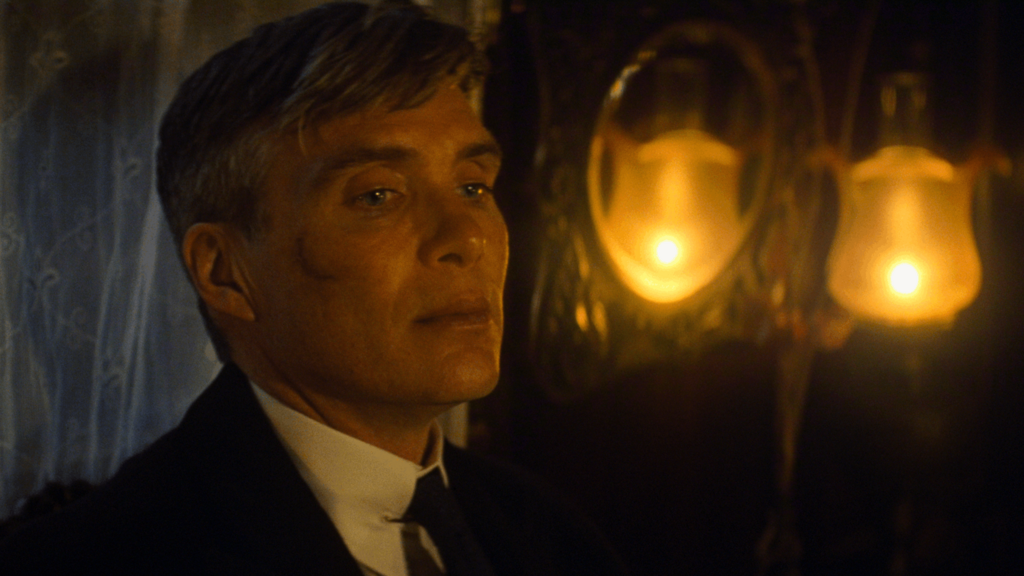
Like the series, the film rests on the immensely talented shoulders of Cillian Murphy. Relatively unknown when he first stepped into Tommy Shelby’s suit, he arrives at the film as an Oscar winner. In Murphy’s hands, Tommy is a criminal and a murderer who commits terrible acts, yet remains deeply compelling for his tortured soul, intelligence, loyalty to family and hatred of fascism. This is the role that made Murphy’s career — without Tommy Shelby, there is no "Oppenheimer."
The film jumps forward to 1940. Tommy is secluded in a remote estate, cut off from Birmingham, what remains of his family and everything he once built. He writes an autobiography in an attempt to exorcise his demons, but it fails. With gray hair, Murphy conveys such a powerful mix of sorrow, guilt and rage that Tommy’s former aura — his iconic walk, physical dominance and fearless arrogance — has all but vanished. He no longer cares about the world, but the world refuses to leave him alone. World War II reaches Birmingham, and the gang is now led by his illegitimate son, Duke. When Duke becomes entangled with a British fascist who offers him money to betray Britain and help the Nazis, Tommy is pulled back into everything he tried to escape.
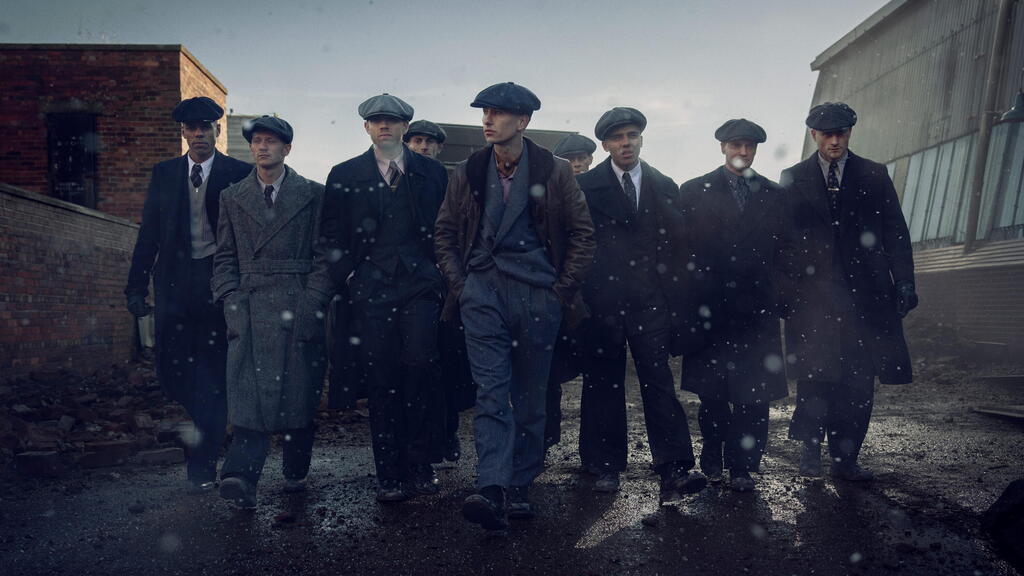
From 'Peaky Blinders: The Immortal Man'
(Photo: Courtesy of Netflix)
Most of the Shelby family is gone, making room for new characters and a strong supporting cast. Barry Keoghan plays Duke, a troubled young man desperate for his father’s love; Tim Roth is excellent as a Nazi envoy; Rebecca Ferguson, who has yet to deliver a bad performance, plays a mysterious woman who draws Tommy back into chaos; and Stephen Graham, who appeared in the series before becoming a major star, also returns. Ultimately, however, everything rests on Murphy, a remarkable actor whose every close-up lands with force.
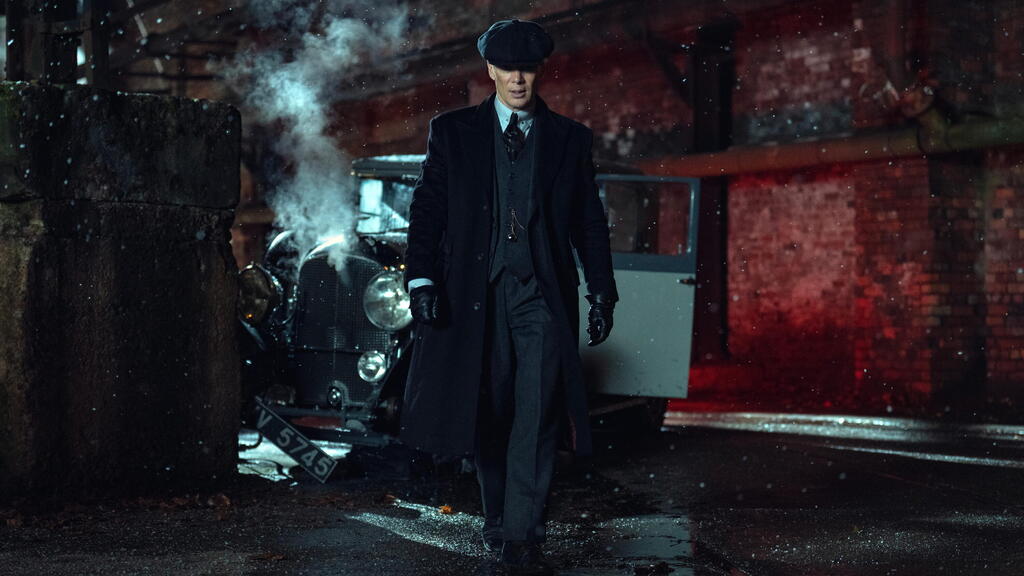
From 'Peaky Blinders: The Immortal Man'
(Photo: Courtesy of Netflix)
A film based on a television series is always a gamble. "The X-Files," "Downton Abbey," "Twin Peaks," "Sex and the City," "Entourage" and "The Simpsons" all attempted it with varying degrees of success, but few left a lasting impression. "Peaky Blinders: The Immortal Man" succeeds because it never forgets its DNA, knows exactly what it wants to do and, crucially, operates with complete freedom — this is the final chapter.
Can viewers who haven’t seen the series follow the film? A hesitant yes. It works on its own, but its emotional impact depends on familiarity with the story. The move to cinema also demands larger, more cinematic action sequences that the series might have avoided, but that is a minor issue compared to its main achievement: giving a remarkable character the ending he deserves — by order of the Peaky Blinders.