

In one scene in the opening episode of the fifth season of “Fauda,” Doron Kabilio, the rugged fighter, is summoned to Captain Ayub’s office. The captain, played by Itzik Cohen, sends Kabilio — the avenger forever embodied by Lior Raz — on yet another fateful mission that he, and only he, can carry out.
But it is clear to the viewer that the only place Kabilio should be sent at this point is to bed with a Nurofen or two, plus an urgent appointment with a good psychiatrist. Really, have mercy on the guy. Kavillo looks shattered, battered, tired and frightened. He looks worn down by runs to the shelter, nightmares, attempts to return to routine and, as becomes clear later, by efforts to discover where eight hours of his life disappeared from his memory on October 7. James Bond with post-traumatic stress, ladies and gentlemen. And as they once said in another series about men in uniform: Look at them and see us.
“Fauda” began its journey in 2015 as a gritty action drama about undercover operatives in Gaza. The framework was the mission, and the system was the boss. The principle was a human reflection of both sides of the divide — Israelis and Palestinians. From season to season, with an international boost after its sale to Netflix, the center of gravity shifted toward action and a clearer division between good guys and bad guys. Creators Lior Raz and Avi Issacharoff had already written the fifth season in that spirit — but then October 7 happened, production stopped, and the realization sank in that everything written up to that point would have to be scrapped. Reality was too present to send Kavillo and his crew — Doron, Eli, Steve and Sagi — on another swaggering round in the Gaza Strip.
Gallery
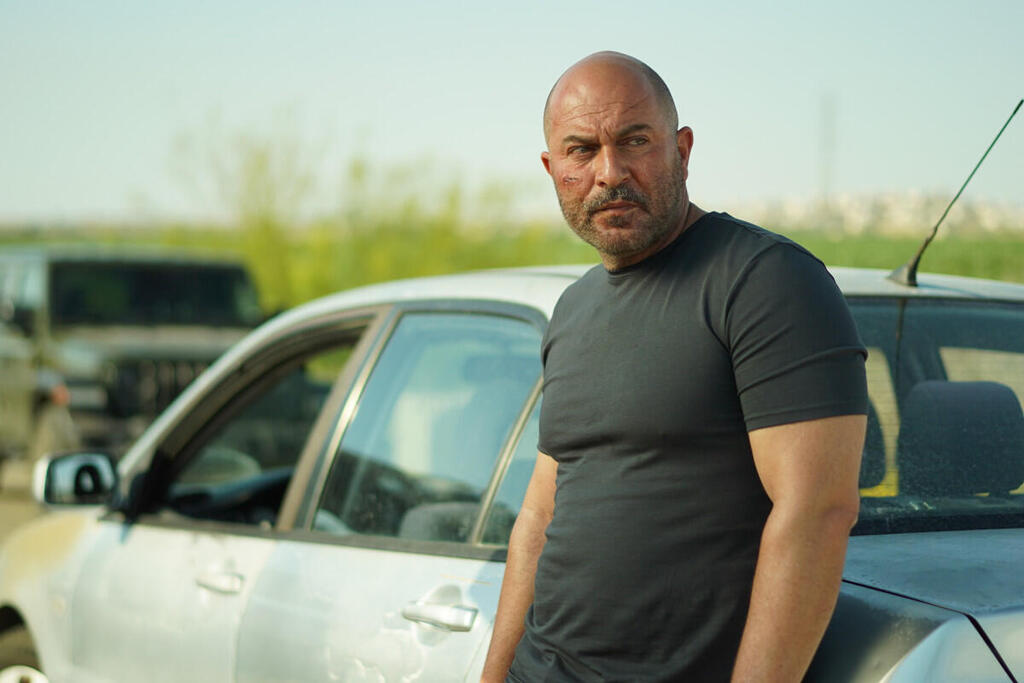
Reality has triumphed over fiction. Lior Raz in 'Fauda' Season
(Photo: Elia Spinopoulos, courtesy of Yes)
That reality also seeped into the production itself. Idan Amedi, who plays one of the series’ most beloved characters, was seriously wounded while fighting in Gaza and underwent a long rehabilitation, significantly reducing his role in the current season. Matan Meir, a veteran crew member on the production, was killed in northern Gaza by an explosive device, and the first episode is dedicated to him.
When work on the series resumed, the decision was made to set the new season two years after October 7, to deal with life afterward and tell the events through their impact on the characters. The issue of the hostages, who were still in captivity during filming, is not addressed, and much of the season was filmed in Budapest and Marseille, perhaps to create additional distance and not only for international appeal.
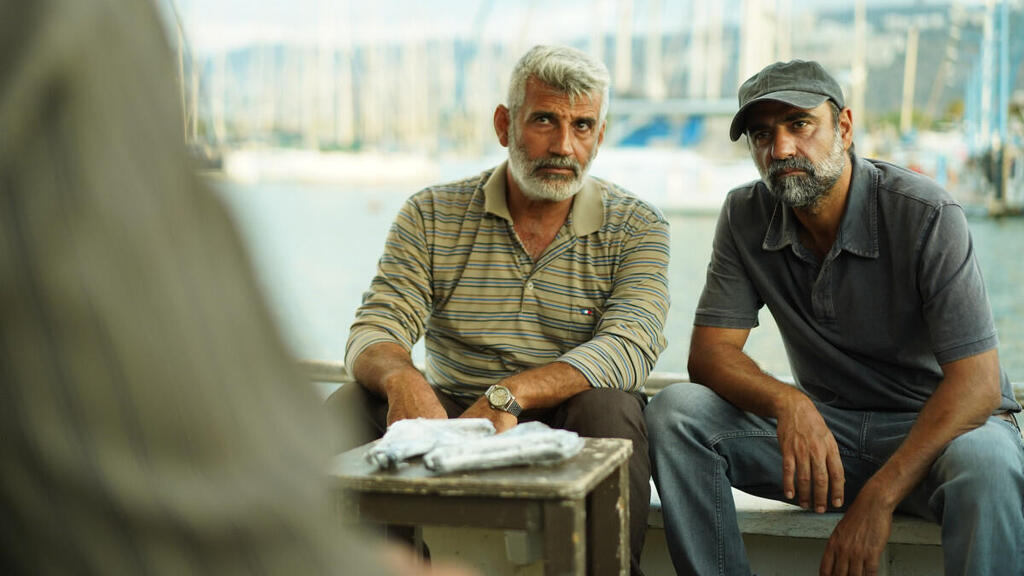
Seek revenge. From 'Fauda' Season
(Photo: Elia Spinopoulos, courtesy of Yes)
The first episode lays the groundwork for the season’s plot: Eli, played by the no less sublime Yaakov Zada-Daniel, travels to Marseille with Salem, a Bedouin tracker played by Bian Anteer. Their private mission is to capture the Hamas operative who killed Salem’s son as well as Eli’s family, and avenge their deaths. Kavillo and Steve later join them as the journey becomes more complex and deeper, turning into a struggle by former unit members against the very system they were once part of. They are still well-oiled, quick on the draw and fluent in Arabic, but they are no longer the fearless brave fighters they once were. This time, they are men with nothing to lose. They are no longer protecting Israeli civilians, at least not at first, but each other’s broken hearts. They are there for the platoon, not the country.
Kavillo is sent to stop Eli, but he does not abandon wounded men in the field, even if their wounds are psychological. He and his friends are now giving everything they have left, which is not much, in the fight against absolute evil. This season will deal quite a bit with post-traumatic stress, which was present in all previous seasons as well, but it is mainly marked in the red of blood vengeance. Judging by the first two episodes, it is going to bleed quite a bit. There is a beautiful scene in which Eli and Salem stand and pray together at the afternoon prayer time, each in his own way — a small moment of sanity and hope — but it quickly melts into terror and violence.
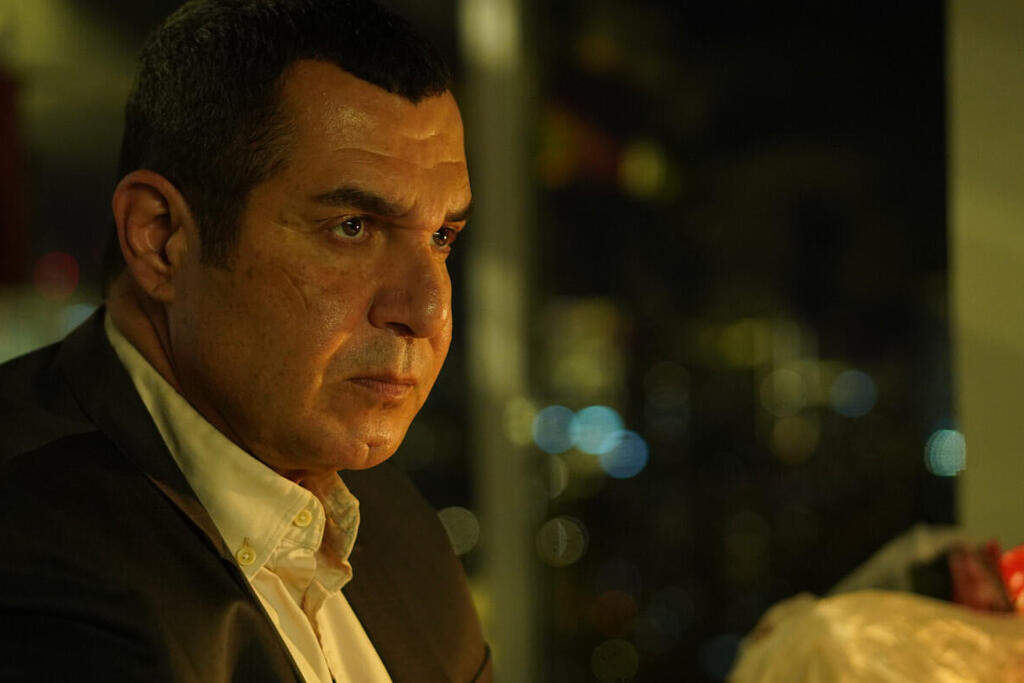
Post-trauma is the thing, now - even more so. From 'Fauda' Season 5
(Photo: Elia Spinopoulos, courtesy of Yes)
This season clearly posed a difficult challenge for “Fauda,” and from the first two episodes, it appears to meet it in its own way. Doron Kavillo remains a somewhat exaggerated character, but the other actors compensate for him, and the picture that emerges is one of stunned, shattered masculinity. It is no longer so much a series about the Middle East conflict as it is about people trying to rise from the wreckage and clinging to one another in an effort to stay alive, about the question of what trauma-stricken life even is. And it is not afraid to give that pain space.
It is hard to know what security reality we will be living in when this season arrives on Netflix and what it will do for Israel’s public image, but what it will do to all our hearts, we will know very soon.
First published: 10:53, 05.19.26