

After closely following Russian opposition leader Alexei Navalny inside the dangerous machinery of Vladimir Putin’s regime, the young Canadian Jewish filmmaker wanted a change of pace — to make a fictional, entertaining film. The acclaim and awards that followed Navalny, which won the Academy Award for best documentary in 2023, made that possible, leading to Tuner.
But the film, intended as broad entertainment, quickly became entangled in heated public debate in the United States. It is a light, smart crime drama — but it features cunning, crude and violent criminals who happen to be Israelis. That creative choice drew angry reactions from both pro-Israel and pro-Palestinian audiences in the context of the Middle East conflict.
“I got a lot of crap from the pro-Israel crowd for making the bad guys Israelis, and I got a lot of crap from the pro-Palestinian left for making the bad guys Israelis,” Roher says.
The reactions are surprising given that the film takes place entirely in New York and does not engage with current political issues. Israel is never mentioned, and the villains — played by Lior Raz, Gili Cohen and Nissan Sakira — are not identified as Israeli citizens. The trio of rough characters appear as associates-turned-adversaries of the protagonist Niki (Leo Woodall), a promising musician forced to abandon his career due to a rare hearing condition that heightens sound sensitivity.
He becomes a piano tuner under the mentorship of his Jewish boss Harry Horowitz (Dustin Hoffman) and Horowitz’s wife Marla (Tovah Feldshuh), who serve as surrogate parents. When they fall into financial and medical trouble, Niki tries to help and becomes involved with Uri Stern (Raz), a security company owner who robs clients. What begins as small-time crime escalates into a dangerous criminal enterprise.
Gallery
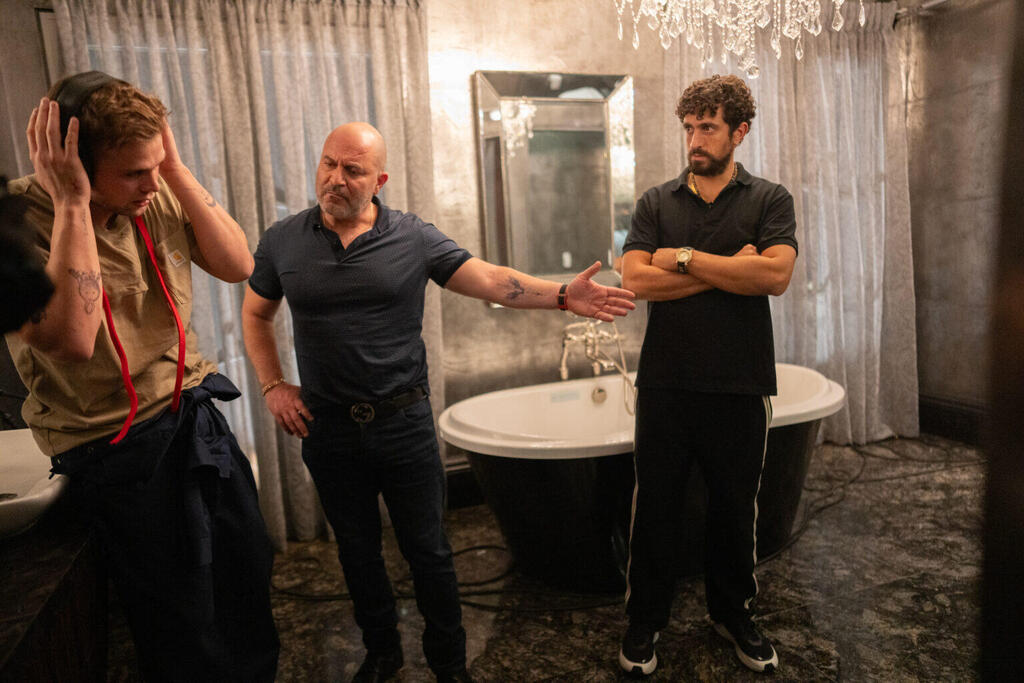
Niki tries to help and becomes involved with Uri Stern (Raz), a security company owner who robs clients
(Photo: Courtesy of Forum Film)
Only attentive viewers can identify the characters as Israeli through their Hebrew speech and mannerisms associated with what Israelis might describe as “arsim” — a colloquial Hebrew slang term for crude, macho, often streetwise or criminal types. But in a cultural climate where Israel has become a highly charged and polarizing symbol, audiences on both sides are quick to read political meaning into any reference.
“To my surprise, when the film came out, it became very clear to me that 95% of viewers simply saw those characters and assumed they were Eastern European, Russian or Ukrainian,” Roher says. Originally, the characters were conceived as Bulgarians. Film critic Pete Hammond even identified them that way in his review for Deadline following the premiere at the Telluride Film Festival, before later screenings in Toronto, Sundance and London.
“Before we started filming, Dustin suggested I change the characters,” Roher recalls. “He was concerned it would come across as a negative portrayal of Israelis, and I was very sensitive to that.”
“The morality and complexity of making these guys Israeli is more complicated than making them Bulgarian,” he says. “I remember after October 7 I thought: ‘Oh shit, I’m going to have to change the characters. I can’t make Israelis the bad guys now.’ Then I paused and thought: ‘You know what? The Israeli government is probably going to burn through all the international goodwill and sympathy it has right after the massacre.’ And that’s what happened five minutes later. I feel this is an honest portrayal. I’ve met guys exactly like them. I understand the criticism that Israelis have enough problems, but this feels real to me. It felt authentic.”
Roher adds that filmmaking is a deeply personal expression. “To write authentic characters, I write people I actually know.”
Asked about audience reactions, he says: “I was aware of the sensitivities, and people came up to me after screenings and asked, ‘Why did you have to make them Israeli? It’s a negative portrayal.’ My first answer is that 96% of viewers don’t even realize they’re Israeli. My second is that the world is full of shades. There are good people and bad people. If you want a positive Israeli character, that’s Dustin Hoffman’s character — not those security guys. I understand the reaction, but I wouldn’t change them.”
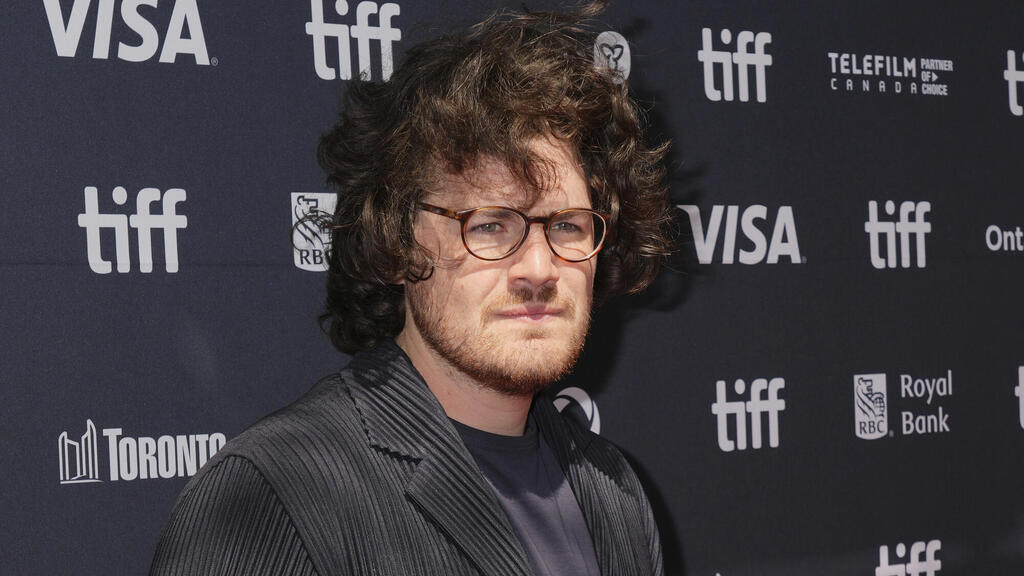
Daniel Roher
(Photo: Chris Pizzello/Invision/AP)
To critics who asked why he made them Israeli, he says: “I say f*ck it. That’s a very short-sighted and narrow worldview. Are you telling me those guys don’t exist? That you haven’t met them? You know it’s real.”
On criticism from pro-Palestinian audiences, he adds: “It’s funny. You just say the word ‘Israel,’ or you have an Israeli character in the world, and it immediately becomes explosive. I think it’s ridiculous. I can handle the complexity and nuance. Politically, it would have been easier to make them Bulgarian and no one would have blinked, but that would have been far less interesting and far less authentic to who I am. So I tell people on both sides, with all due respect, go fuck yourselves.”
Unlike most global audiences, Israelis can more readily identify the villains as local “arsim” trying to make it big in the United States as businessmen or petty criminals. Some may even relate to them.
Roher, a Toronto native, is nonetheless surprisingly precise in his depiction. He has visited Israel several times and has family there, but the original idea came from a chance encounter abroad.
“When I started writing the film, I locked my keys in my car by accident,” he says. “I called a locksmith, and the guy who showed up was Israeli. We immediately started arguing. He was very aggressive and made things difficult for no reason — in a way I recognized. I knew his type.”
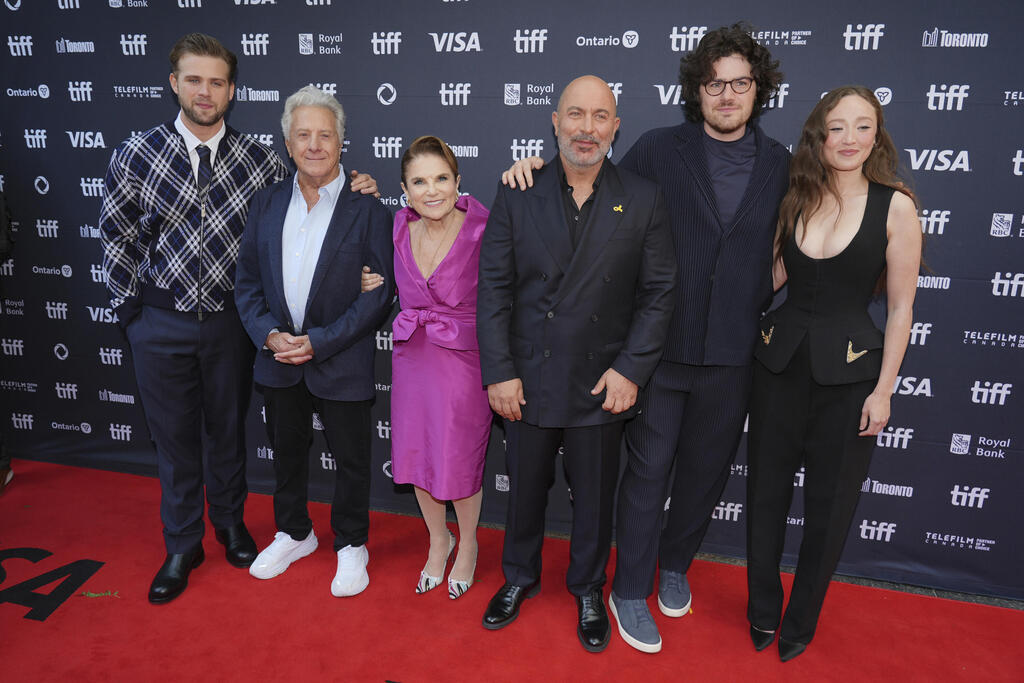
Toronto Film Festival
(Photo: Chris Pizzello/Invision/AP)
He later discovered that many locksmiths and security workers in Los Angeles and New York are Israelis — part of a wave of Israeli expatriates (“yordim,” Israelis living abroad) working in the security industry. “There’s something about their Israeli character that people trust when it comes to securing homes,” he says. “That became the inspiration. I also know Israelis better than I know Eastern Europeans. I felt I could bring authenticity to these characters — a certain aggression, a kind of machismo. That specific Israeli type felt familiar to me.”
His deeper engagement with Israel goes beyond fictional portrayals. Early in his career, he filmed a short documentary in Sderot about children living under the constant threat of rocket fire from Gaza. That 2013 film, Kids of the Rocket Siren, became unexpectedly relevant again after the October 7 attacks.
“I was 18 or 19,” he recalls. “I had dropped out of school and just wanted to make films. Sderot was the center of the conflict in the south for years. It was heartbreaking to see the images from October 7 — streets and buildings I recognized.”
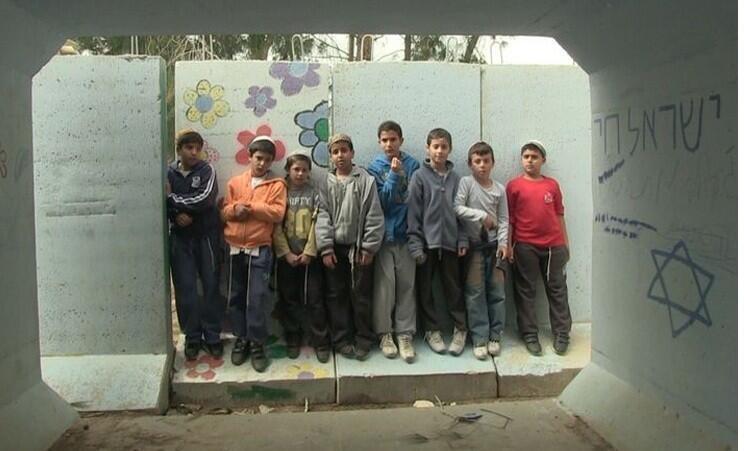
Early in his career, he filmed a short documentary in Sderot about children living under the constant threat of rocket fire from Gaza
(Photo: CNN Films)
The international film community, he says, has not shown consistent empathy toward Israel, particularly among documentary filmmakers who broadly oppose it.
“I have a deeply complicated relationship with the State of Israel,” he says. “It’s like a family member who, when he’s at his best, you love him. But then he shows up drunk to Thanksgiving, destroys everything, and you have to call someone to take him away. You want to love him, but he makes it very difficult. At the end of the day, he’s still family.”
He criticizes cultural boycotts of Israeli artists. “Those are often the same left-wing people on the front lines criticizing the government at home and abroad. So I don’t think boycotts help. But blind pro-Zionism doesn’t help either. The situation requires nuance.”
When told that Israeli public discourse is not necessarily more nuanced, he replies: “I’ve supported a democratic Israel for years. When Netanyahu tried to push through his judicial overhaul two years ago, I spoke out against it while I was in Israel for a screening of Navalny. I think it was deeply anti-democratic. I believe Netanyahu is one of the most corrupt leaders in the world and should be in prison.”
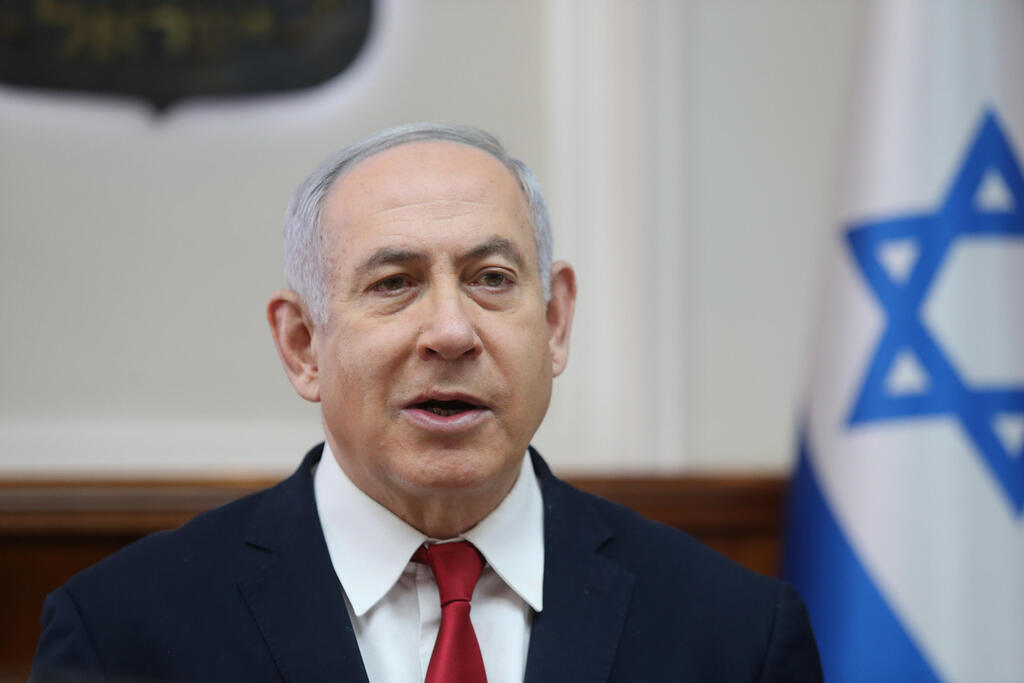
'I believe Netanyahu is one of the most corrupt leaders in the world and should be in prison'
(Photo: Alex Kolomoisky)
“How do you reconcile Israel — this brilliant, vibrant place I want to think of, going to Tel Aviv, visiting museums, seeing my family — with a destructive political machine that perpetuates conflict for political survival and religious extremists in the cabinet? It’s depressing and hard to watch.”
Asked if he is optimistic, Roher says: “I believe the moral arc of the universe is long and bends toward justice, and I hope that happens in Israel too. I hope the Israeli left can regroup. I respect figures like Yair Golan, but in what world does someone like that get elected today? Where is the centrist hero with military credibility who can appeal to security-minded voters while supporting a modern two-state solution? That person doesn’t seem to exist. It’s complicated and deeply discouraging.”
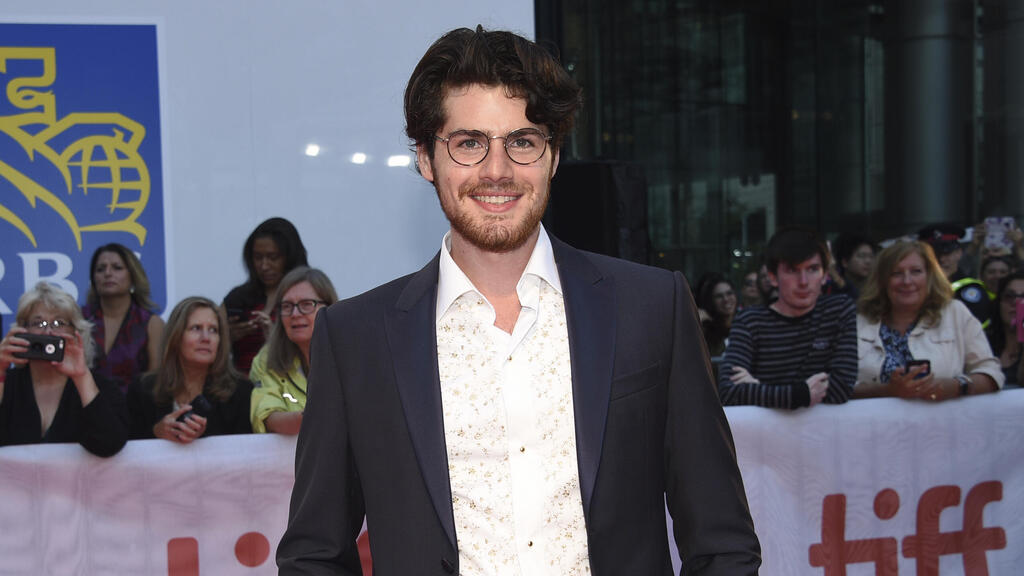
Daniel Roher
(Photo: APf)
A recurring theme in the film, intentionally or not, is the growing divide between American Jews and Israeli Jews. Roher rejects the idea that this can be separated from the broader Israeli-Palestinian conflict.
“I don’t think anyone is not involved in this mess,” he says. “If you’re Jewish, you’re involved one way or another. A left-wing Jewish student chanting ‘from the river to the sea,’ a confused Jewish person unsure where they stand, or a hardline pro-Israel supporter — everyone is part of it. That’s the complexity of Jewish identity in the 21st century.”
“In the end, I just wanted to make a fun film with characters I believed in and that felt authentic to me,” he adds.
Roher, who is now working on a new crime thriller titled Positano starring Matthew McConaughey and Zoe Saldaña, says the shift from documentary to fiction required an entirely different skill set.
“I wanted to prove to the world, and to myself, that I could do it.”