


After months of cultural paralysis, Israel’s international concert scene is showing cautious signs of revival, following the reinstatement of EuroLeague games and the withdrawal of a proposal to expel Israel from the Eurovision Song Contest.
For nearly two years, global artists largely avoided Israel, with only a handful of notable exceptions, including Art Garfunkel—who performed with Israeli singer Aviv Geffen—pianist Richard Clayderman, and most recently, American rapper Azealia Banks.
Azealia Banks performs in Tel Aviv
(Video: Shira Naot)


Several planned concerts were canceled, among them a tour by stars of the Argentine show Rebelde Way, known for their vocal support of Israel, which was scrapped due to the security situation.
Now, with a ceasefire in place and the release of hostages, industry insiders are cautiously optimistic that major international acts may return to Israel as early as summer 2026. However, they note that progress on Gaza reconstruction and continued calm across Israel will be key to attracting high-profile performers. Another factor that could help, they say, is the expansion of the Abraham Accords—Israel’s normalization agreements with several Arab countries.
Promoters in Israel are already working to bring foreign performers, though their current targets tend to be less prominent artists not at the peak of their careers. These efforts aim to gradually reopen the industry. Negotiations are underway but so far without success, and producers warn that any progress is contingent on sustained peace. “The window for booking acts for summer 2026 will close by March,” one Israeli promoter said.
Still, many in the industry remain skeptical that top-tier performers will return anytime soon. “We may see a few appearances next summer,” said another source familiar with the process, “but right now, aside from a few loyal Jewish managers abroad, no one is really listening.”
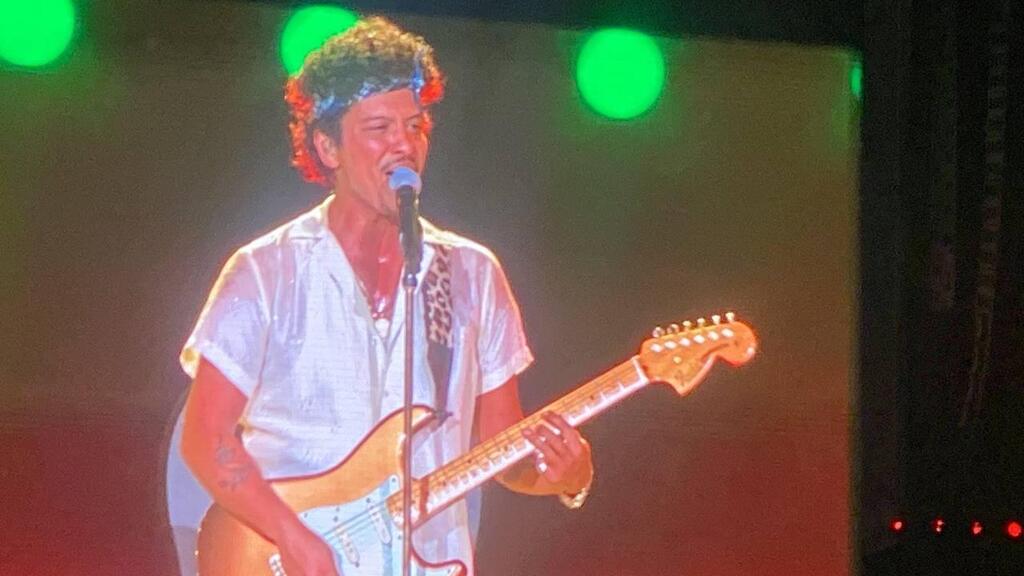
Bruno Mars performs in Tel Aviv
(Photo: Ran Boker)
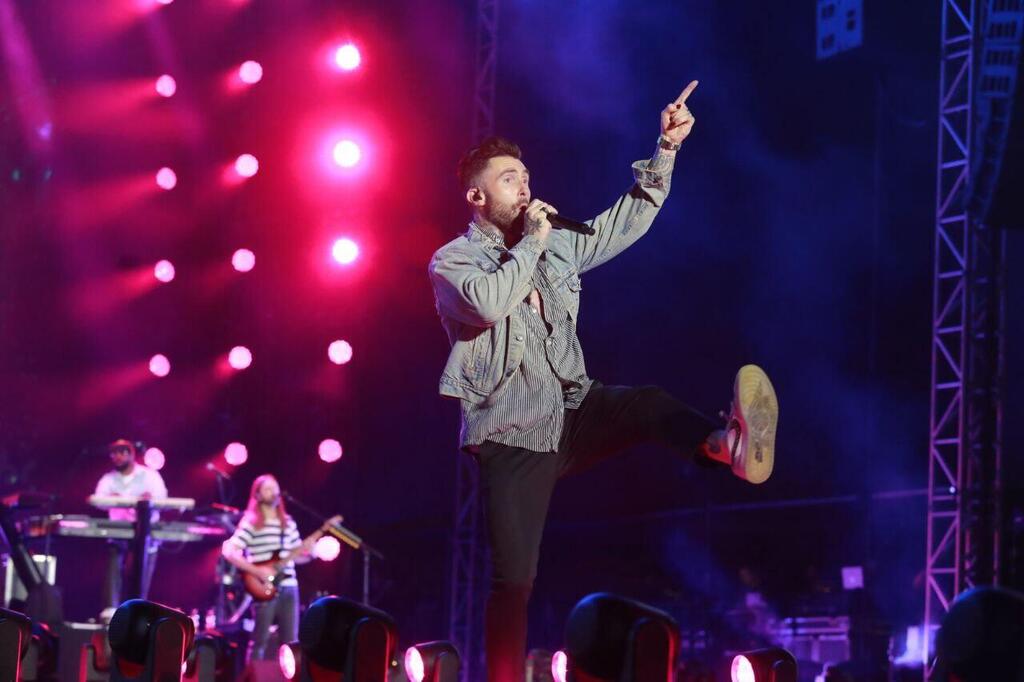
Before the October 7 Hamas-led attack, Israel was experiencing a peak in its international music scene. Pop icon Bruno Mars sold out two shows in Tel Aviv, though his second concert was canceled as war erupted and he was rushed out of the country. Industry insiders say a return of artists of that caliber remains distant. “Even if a few shows go ahead in the near term, we’re far from where we were,” one said, recalling visits by Justin Bieber and Maroon 5 in 2022.
Beyond logistical and safety concerns, promoters also face challenges tied to public image. Some artists fear backlash over performing in Israel, particularly from pro-Palestinian activists. This pressure has long affected concert planning—most notably in 2017, when singer Lorde canceled her planned performance after facing international criticism.
“The best answer to that is expanding peace agreements,” one industry figure said. “The more normalization there is with Arab states, the easier it will be.” Another added: “Everything depends on the atmosphere. If we return to a Trump-style peace mood, it will help frame concerts here as unifying events. That makes it easier for performers to justify coming, even amid global scrutiny or boycotts.”