

In 2015, when she was just 18, Zendaya arrived at the Oscars in a white dress and with striking dreadlocks. As happens almost every time she leaves the house, the attention was immediate. The next day, on E!’s fashion commentary show “Fashion Police,” host Giuliana Rancic said: “Zendaya’s hair looks too heavy for her. She looks like she smells like patchouli oil, or maybe marijuana.” The response was swift: A huge storm erupted on social media, the kind that, years later, can already be described as iconic.
Zendaya responded in a post in which she made clear that such descriptions were based on an old, lazy racist stereotype about Black hair. "To say that an 18-year-old young woman with locs must smell of patchouli oil or 'weed' is not only a large stereotype but outrageously offensive," she wrote, and even included a list of celebrities from various fields who proudly wear dreadlocks. According to her, she chose this hairstyle on purpose - precisely to present it on the most prestigious red carpet of all.
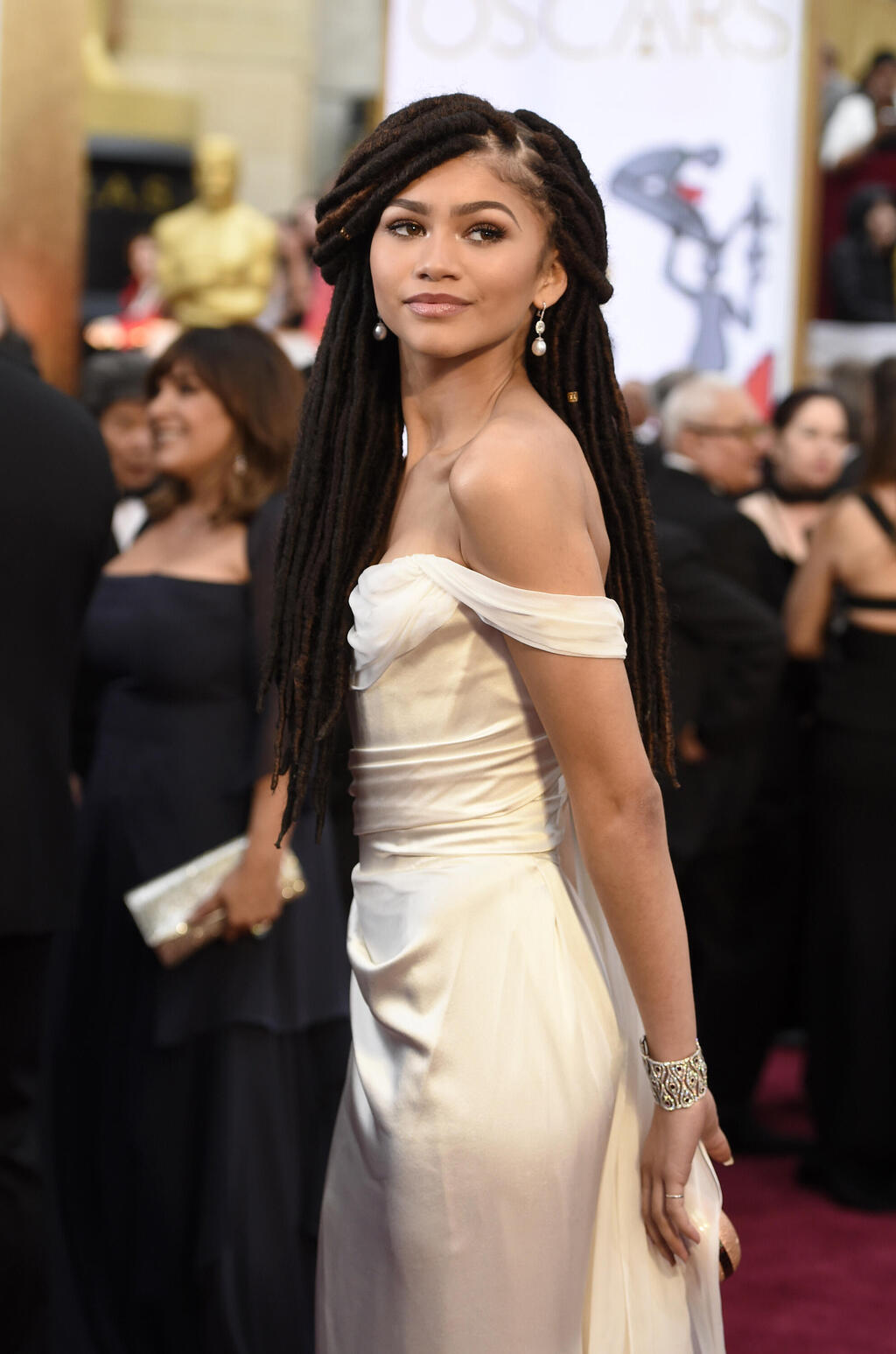
That response completely changed the conversation around the incident, shifting it from fashion gossip to a serious discussion of double standards. After all, Kylie Jenner was also wearing dreadlocks around the same time, and the very same “Fashion Police” described her look as “edgy and fashionable.” The fallout from the controversy continued for quite some time. Kelly Osbourne, who was a member of the show’s panel, threatened to resign and later did leave. Rancic was forced to apologize live on E!, saying she had learned a hard lesson about stereotypes and understood the harm she had caused.
Zendaya accepted the apology and said she hoped the incident would serve as a learning opportunity for others. Years later, she said in interviews that this was the moment she realized the true extent of her influence. In hindsight, it can also be seen as the moment Hollywood began to understand that it was dealing with much more than just another former child star: A serious star was emerging.
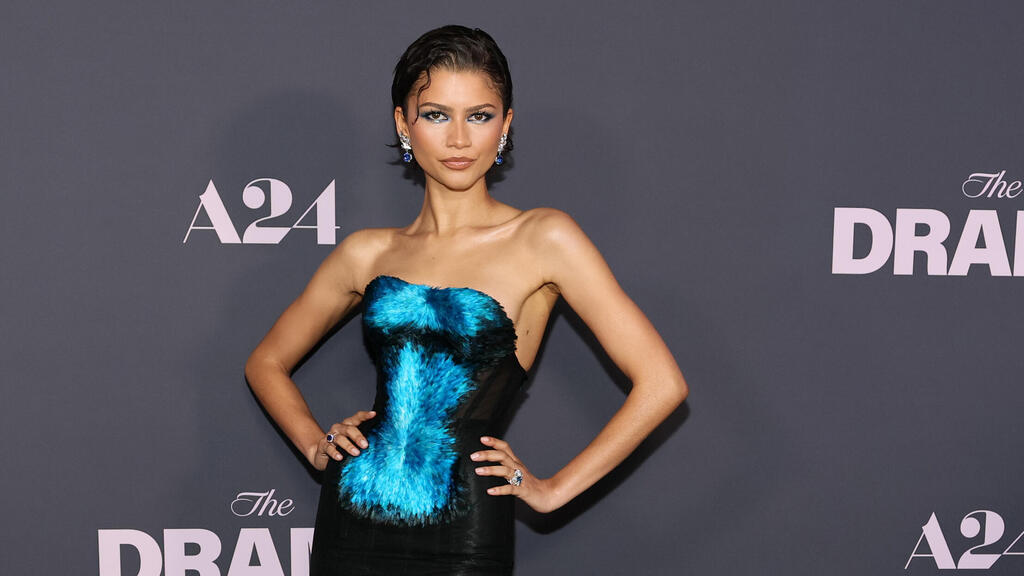
Zendaya: A serious star emerged
(Photo: Dia Dipasupil/Getty Images)
Eleven years later, Zendaya turns 30 on Tuesday, as what some would call the biggest star in the world — and in any case certainly one of the biggest. This year, she was simply everywhere: “The Drama”, “The Odyssey”, “Spider-Man: Brand New Day”, another season of “Euphoria”, and in December she will also return with “Dune: Part Three.” She is a fashion icon, a cultural symbol and one half of a Hollywood power couple everyone seems to love, alongside Tom Holland.
She did all of it by following a path that is practically a master class in how to take all the natural cards you were dealt — beauty, charisma, 5-foot-10 height and still somehow the aura of a popular high school student — and combine them with hard work and a smart head, on the way to a status worth $10 million to $15 million per film, at least another $10 million a year from fashion contracts and an image so flawless that it probably has to crack at some point. Just not now.
The road out of child stardom
Zendaya Maree Stoermer Coleman was born in Oakland, California, and grew up in an environment that combined loving but strict parenting with the world of performance. Both of her parents, Claire Stoermer and Kazembe Ajamu, worked as teachers in public schools in disadvantaged areas of Oakland. At home, the emphasis was on education, values and self-discipline. The name “Zendaya” comes from Shona, a language spoken in Zimbabwe, and means “to give thanks.” Early in her career, she dropped most of her full name and kept only Zendaya as her stage name because she thought it was “a cool name like Prince.”
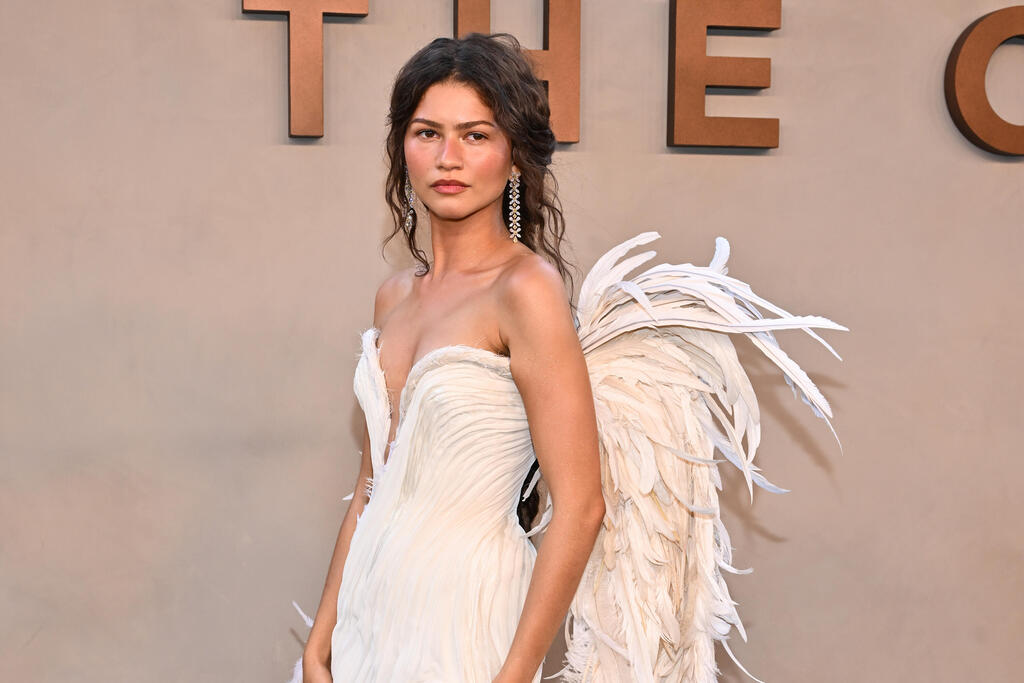
'A name that sounded cool, like Prince'
(Photo: Evan Agostini/AP)
Today, it is hard to believe that Zendaya was so shy as a child that she had to repeat kindergarten for another year just to develop basic social skills. That shyness was also the reason her parents decided to try pushing her toward the performing arts. Zendaya, for her part, loved dressing up from an early age, and when her mother took a second job managing a small theater in California, 7-year-old Zendaya spent her summers there: helping seat the audience, selling raffle tickets and memorizing lines from classic plays.
At age 8, she joined a dance troupe specializing in hip-hop, while also beginning work as a child model for major fashion chains. In 2009, at age 13, she auditioned for a Disney series called “Shake It Up.” By then, she already knew a thing or two about what character, drama and costumes could do. When she got the part, her father left his teaching job and moved with her to Los Angeles, while her mother stayed behind to work in Oakland. “Shake It Up” became a huge hit, and Zendaya starred alongside Bella Thorne, who today can be found, among other places, on OnlyFans.
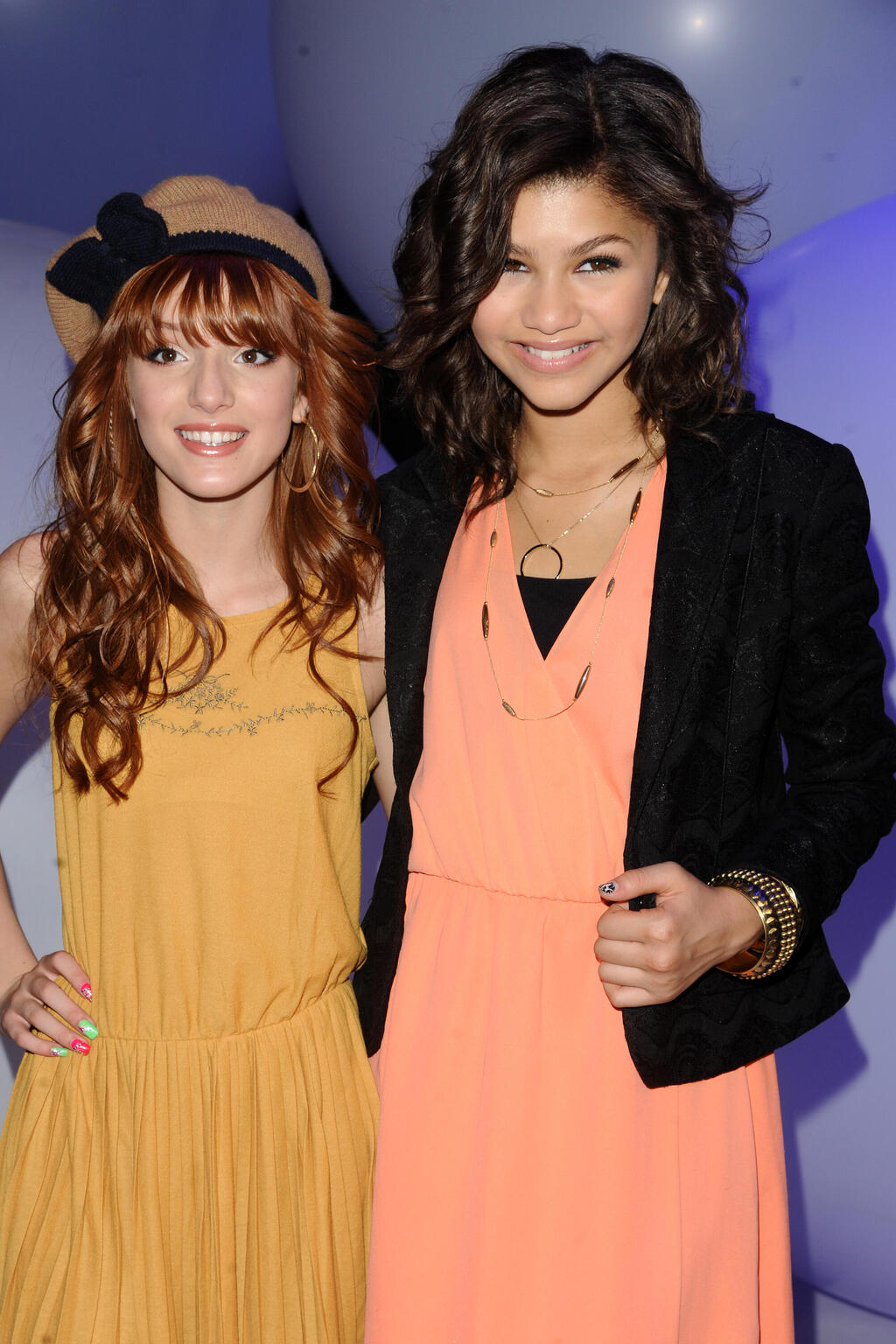
Zendaya starred alongside Bella Thorne in 'Shake It Up'
(Photo: Peter Kramer/AP)
But for Zendaya, early success also came at a cost. She has said in the past that she has “a complicated relationship with the idea of working as a child actor,” and that becoming her family’s main breadwinner at just 14 placed enormous pressure on her — above all, taking away her freedom to make mistakes like a normal teenager.
The meat grinder that is a Hollywood child-actor career can be extremely brutal. Hayden Panettiere, who died in a terrible tragedy about two weeks ago, is only the latest example of children sent into that world before they really have any say in the matter — and many of them collapse along the way. Even those who survive it, with Selena Gomez perhaps one of the most prominent examples, carry plenty of trauma with them. Somehow, Zendaya managed to make it through that system, in part thanks to a strong family safety net: parents who set clear boundaries with the industry and tried to prevent her from falling into the familiar traps of exploitation and overexposure.
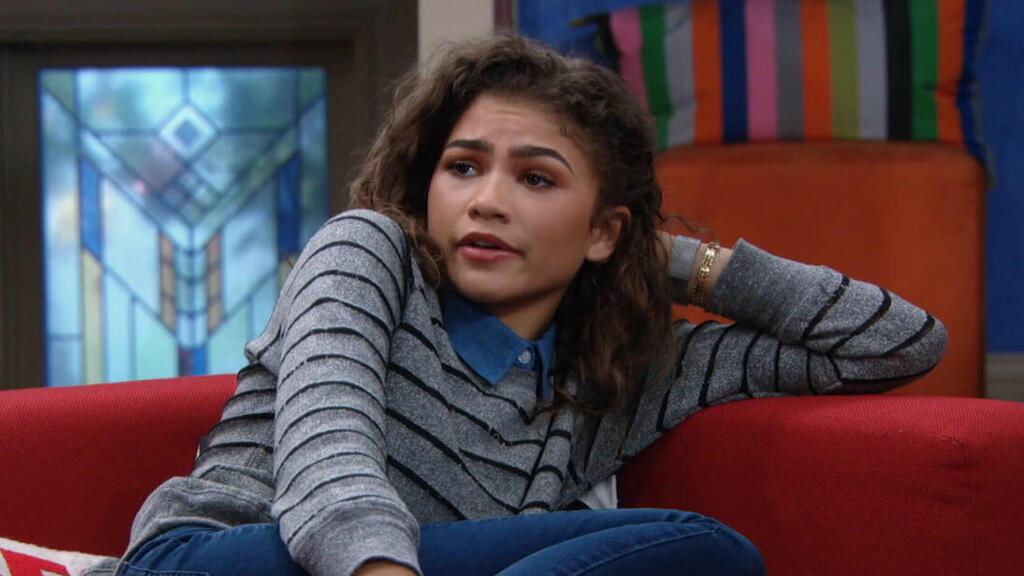
She starred in Disney's 'KC Undercover'
(Photo: Screenshot/Disney)
When Disney offered her the lead in its next series, “K.C. Undercover,” Zendaya already came with demands of her own. At age 16, she insisted on receiving a co-producer credit and changing the show’s title, which had originally been intended to be “Super Awesome Katy.” She demanded that the family at its center be Black and that her character not be yet another singer or dancer, but a girl skilled in martial arts. Hollywood began to notice that the beautiful Disney girl also had an adult head on her shoulders, and Zendaya began carefully planning her way out of child stardom and into an adult career.
'I just can’t leave my house'
Zendaya’s patience was especially impressive. She did not rush immediately into leading roles, but instead took smaller supporting parts, like in “Dune,” and somewhat larger ones, like in “Spider-Man,” while building the connections necessary for the kind of career she wanted.
Amy Pascal, who produced the “Spider-Man” films featuring Zendaya together with Kevin Feige, told Vogue: “When she first auditioned for M.J., neither Kevin Feige nor I knew who she was. She wasn’t wearing makeup and was dressed like a normal girl, and we thought, ‘Oh my God, she’s amazing. She has to be in the movie.’ Only then did we discover that she was already a very famous person and we felt like complete idiots.”
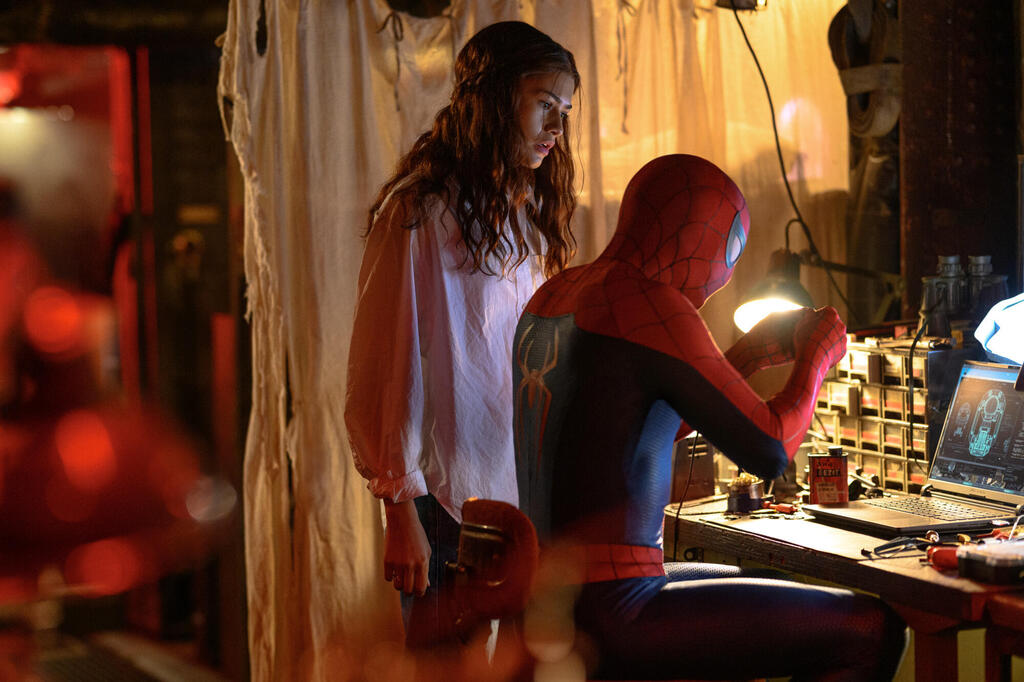
Scene from 'Spiderman: Brand New Day'
(Photo: Courtesy of Forum Film)
On HBO’s “Euphoria,” Zendaya got the chance to prove that she could truly act. Her portrayal of Rue Bennett in the exceptionally dark series earned her two Emmy Awards before she turned 27 and finally distanced her from her Disney-star image. The price of that breakthrough was damage to her ability to live a normal life. “When we started working, I realized pretty quickly just how famous she was. She said, ‘Oh, I just can’t leave my house,’” said Mike Faist, who starred alongside her in “Challengers.”
If all of that raised doubts for Zendaya about this kind of life, they were difficult to detect from the outside. Quite the opposite: She proved to the major studios that she could be relied on and quickly became one of their favorites. Not only because every project she joins immediately receives special attention, but also because of her extraordinary commitment to it. Even before reaching her current status in film, Zendaya was already a global fashion icon, so every red carpet appearance became a marketing tool in itself.
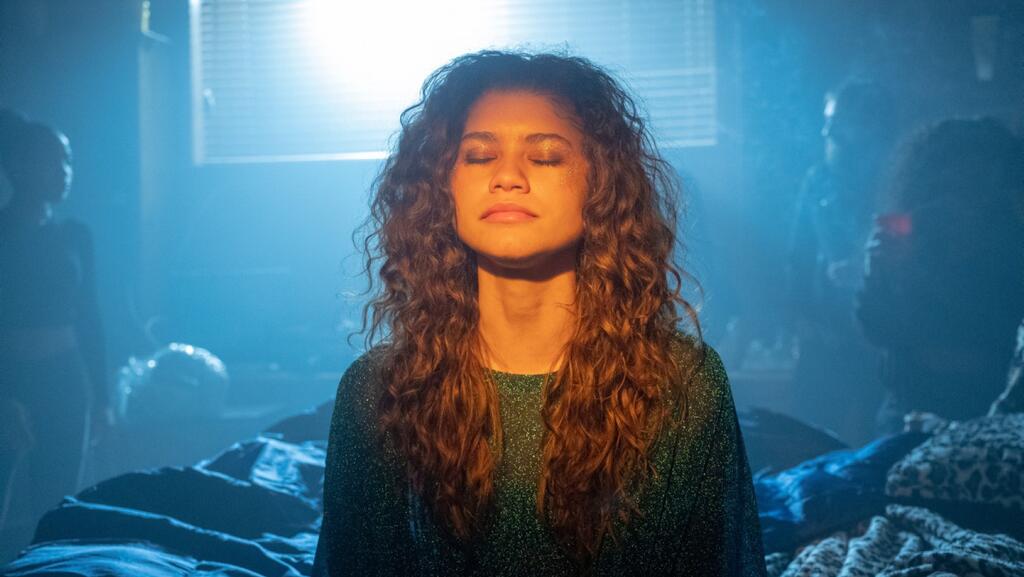
Scene from 'Euphoria'
(Photo: Eddy Chen/Courtesy of HBO)
For example, she worked extremely hard to promote the first “Dune”, even though she had a very small role in it. She traveled the world in spectacular futuristic outfits, turned every red carpet appearance into an event and provided the film with enormous exposure that helped secure approval for “Dune: Part Two” — where a much larger and more significant role was already waiting for her.
The next step was to make another leap and show that she could truly carry films herself. The first attempt, “Challengers” in 2024, was only a partial success. It grossed $96 million, which was not bad for an adult-oriented film of that kind, but not enough to cover its budget and substantial publicity expenses. On the other hand, the film still helped Zendaya establish herself as an actress for an audience much older than the children who watched “Spider-Man.” The second attempt, “The Drama,” hit the bull’s-eye. The dark romantic drama, alongside Robert Pattinson, was a huge success. Made on a budget of $28 million, it grossed more than $130 million. And there is really nothing more to add about the success of “The Odyssey” and “Spider-Man” this summer.
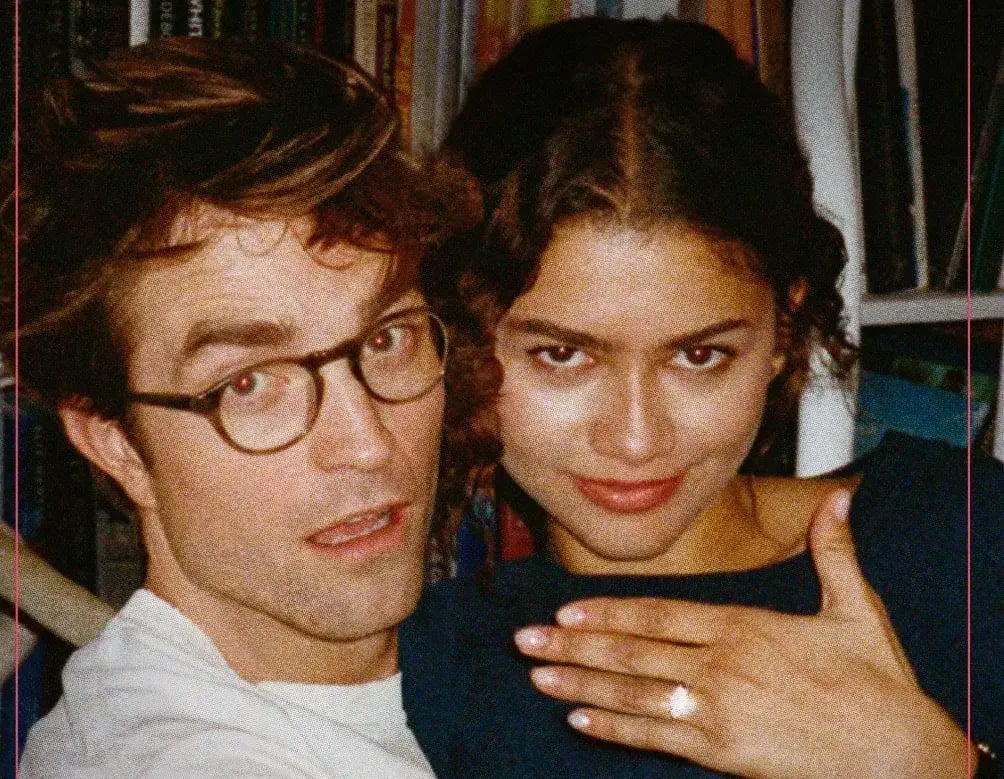
From the film 'The Drama'
(Photo: Courtesy of A24)
Somewhere between the first and second seasons of “Euphoria” and the three “Spider-Man” films, Zendaya became a brand on such a level that no matter what she does, she draws people in. As an actress, she will probably never be Meryl Streep, but she is climbing into the territory occupied in the 1990s by Julia Roberts and Sandra Bullock, movie stars who drew audiences simply to see them on the big screen. Hollywood has not had a star like that in a very long time. Jennifer Lawrence almost got there, but unlike Zendaya — who was media-trained from a very young age and for whom it is hard to recall a single controversial quote — Lawrence never learned how to play the game. Which of them is happier is another question.
A large diamond ring
Zendaya met Tom Holland in 2016 on the set of “Spider-Man: Homecoming.” Despite nonstop rumors, the two insisted for years that they were only good friends. In July 2021, paparazzi photographed them kissing in a car in Los Angeles, and a few months later Holland made the relationship Instagram official — which, as everyone knows, is what counts these days. Last June, AI-generated images purporting to show the two at a wedding circulated online, and when no official confirmation followed, it seemed everyone had resigned themselves, brokenhearted, to the fact that it still had not happened. But in an interview with Esquire, when Holland was asked whether he had updated his family about the AI images, he replied: “No, because they were all there, and that’s all you’re getting on that.”
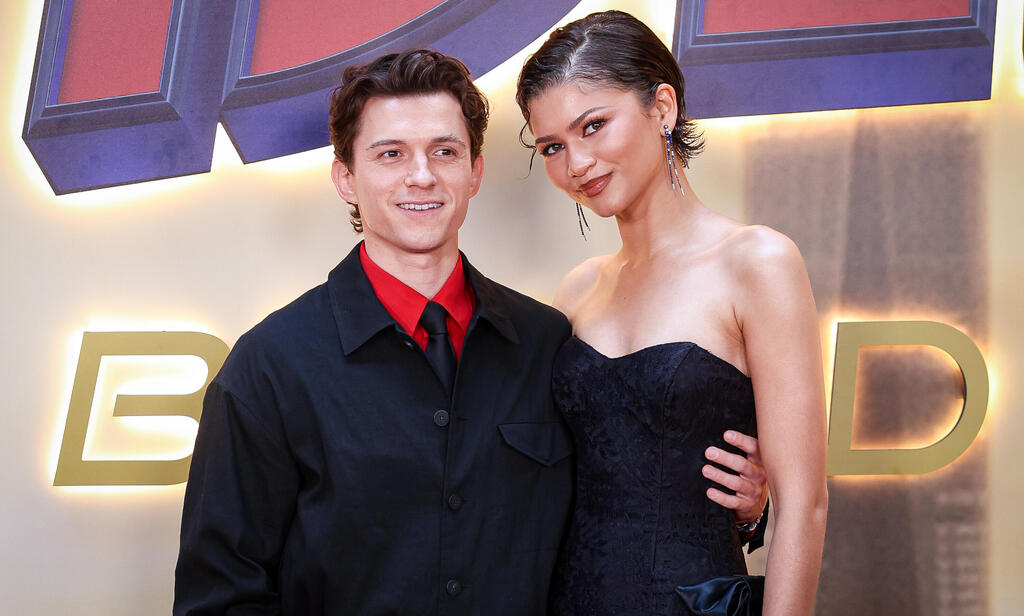
Zendaya and Tom Holland had a secret wedding
(Photo: Pablo Cuadra/Getty Images)
Although each of them has a fandom numbering in the tens of millions — and in Zendaya’s case, hundreds of millions — they somehow manage to keep their relationship private. When they are not appearing together in a film, they also generally do not attend each other’s premieres; they rarely go to parties together, and while they are occasionally caught by paparazzi cameras, it never looks like the kind of Hollywood romance studios once would have been eager to cultivate for publicity purposes. At least for now, they are also very far from the Brad Pitt and Angelina Jolie model of selling their relationship to anyone who wanted it. Even the engagement became public almost by accident: Zendaya arrived at the Golden Globes wearing a large diamond ring on her finger and let it do all the talking.
Zendaya was already on the runway when Holland was just beginning his journey as Spider-Man in 2017. “We were both very, very young,” she said. “But my career was already in motion and his changed overnight. One day you’re a kid and you’re at the pub with your friends, and the next day you’re Spider-Man. I watched his life change, and he handled it really beautifully.”
Perhaps because of that, both of them have a fairly good understanding of the price that comes with this level of fame. On a trip together to Paris in the fall of 2022, they planned to visit the Louvre like any other tourists, but museum officials were not thrilled: It was already extremely crowded, and the arrival of two stars of that magnitude would only make things worse.
“As I got older, I always felt that when somebody asked for a picture, I had to do it, all the time,” Zendaya told Vogue. “You have to say ‘yes,’ because you have to be grateful that you’re here. And even though I still feel that way, I’ve also learned that I can say no, and I can politely say that I have a day off, or I’m just trying to have a day to myself, and I don’t really have to perform all the time. You just get used to the fact that now I’m also one of these works of art that you yourself go to photograph in a museum. I just have to be completely at peace with that and live my life.”
In the end, the Louvre approved a private visit for them after closing time so they could be alone with the Mona Lisa. After all, he is Spider-Man and she is, well, Zendaya.