

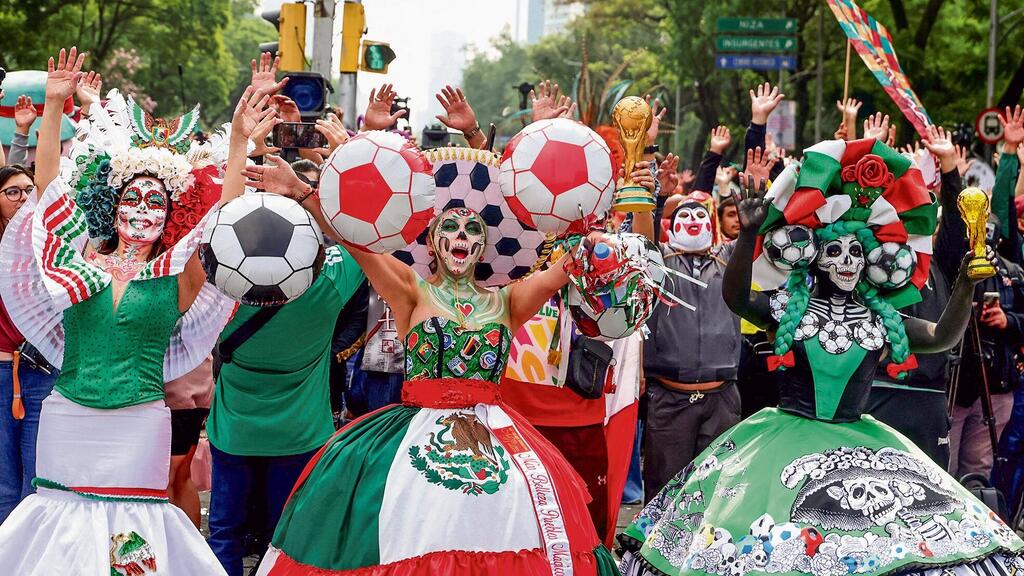
Mexico City has not officially dressed for celebration ahead of Thursday’s World Cup opener, but slowly the puzzle is taking shape. The city is starting to polish its shoes and add color to the gray tone dominating this week’s wintry weather.
Host Mexico will face South Africa in the opening match, and black-market ticket prices are already climbing into the thousands of dollars. Monday in the city square, we were offered a pair of tickets for $2,000, plus an invitation to a dubious nightclub — apparently a popular deal in the area.
But while fans try to get tickets, one of the most intriguing stories ahead of the tournament concerns 14,000 seats in the host stadium, the legendary Azteca. The roots of the affair go back to the 1960s, when the stadium’s builders ran into financing difficulties. To complete the project, viewing boxes and seats were sold to private investors, who in return received a contractual right to enter every event held at the stadium until 2065 at no additional cost.
The special arrangement worked without problems at the 1970 World Cup, when Pele’s Brazil was crowned champion, and again in 1986, when the rights holders enjoyed free access to all tournament matches, including the legendary game in which Argentina beat England with Diego Maradona’s “Hand of God” and “Goal of the Century,” and, of course, the final in which Argentina defeated Germany 3-2.
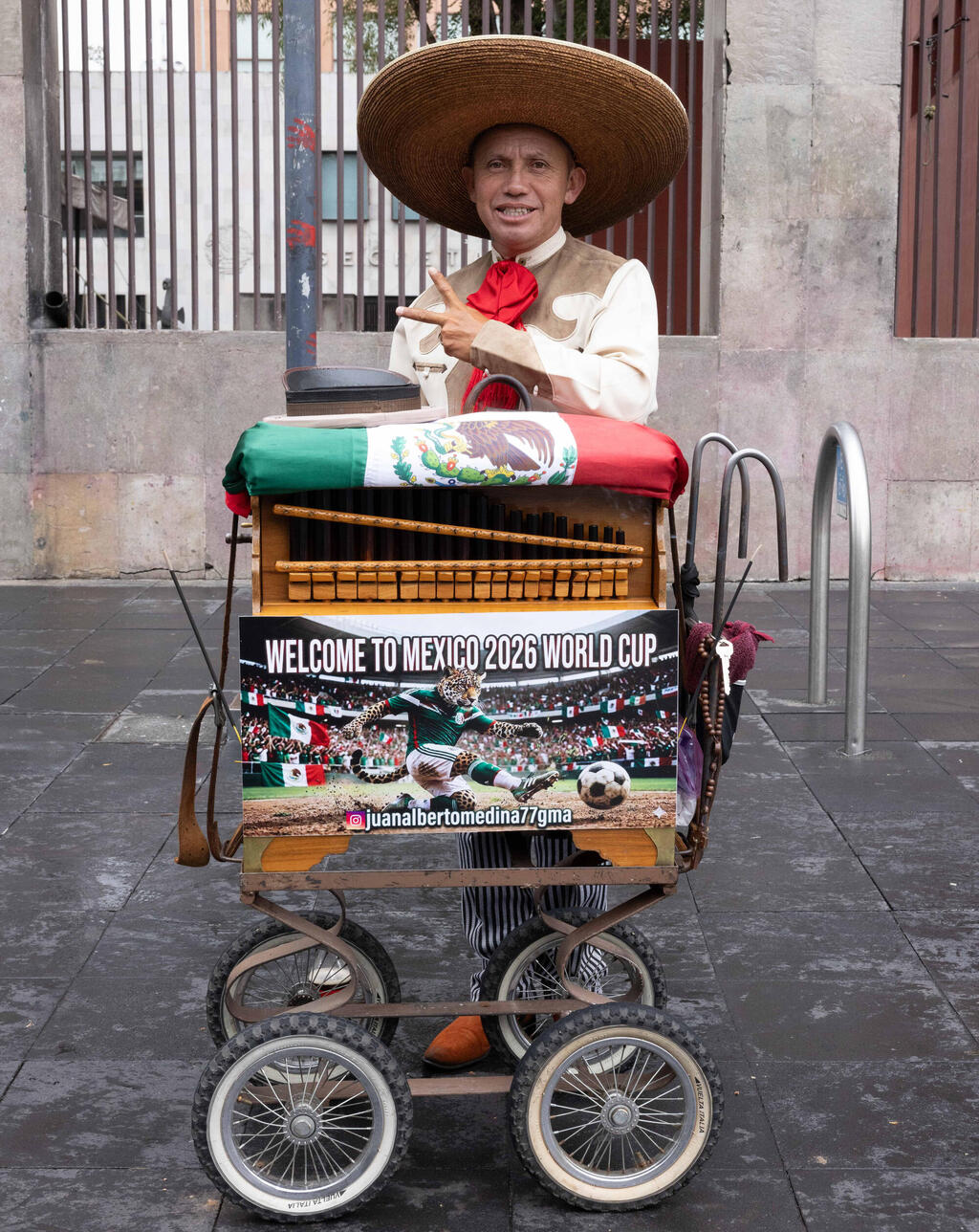
The World Cup in Mexico
(Photo: Oz Moalem)
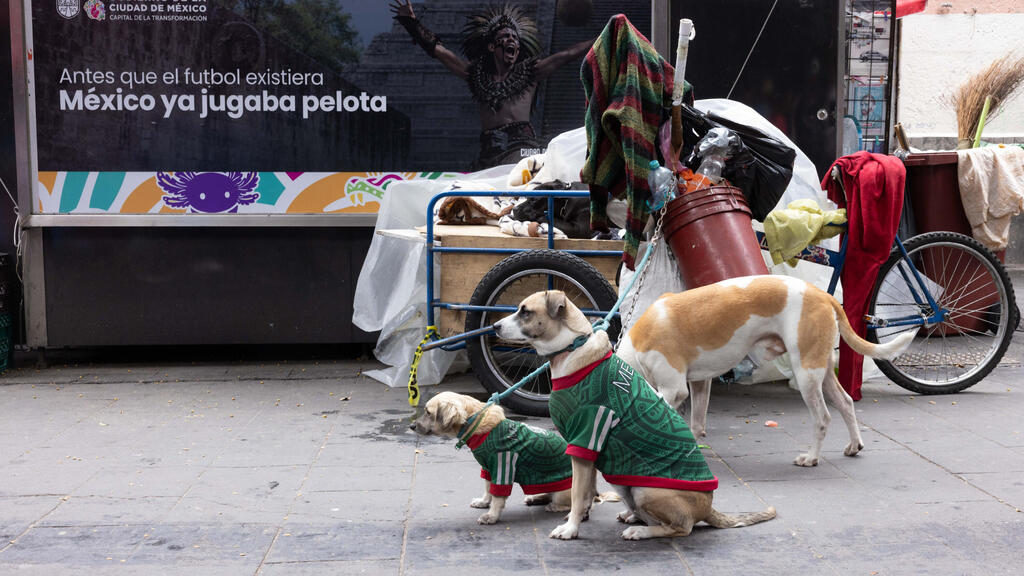
Is the World Cup going to Mexico's dogs?
(Photo: Oz Moalem)
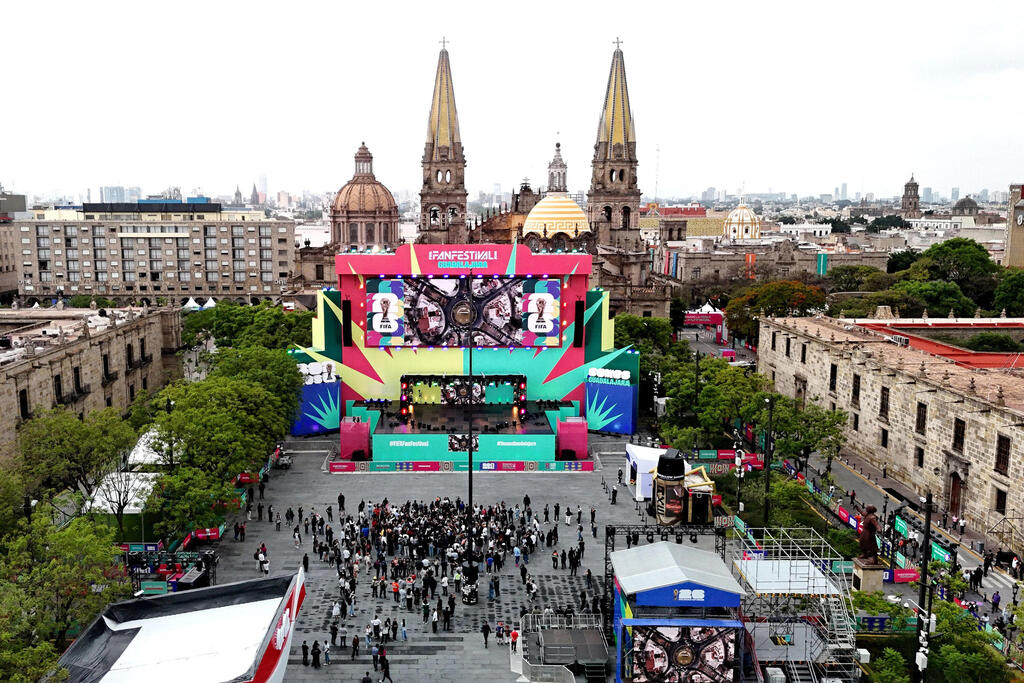
Festival in Mexico ahead of World Cup play
(Photo: Ulises Ruiz / AFP)
But FIFA is not an organization that likes to lose, even when it involves tunnels through time. Ahead of the 2026 World Cup, FIFA sought to return those 14,000 seats, nearly a fifth of the Azteca’s capacity, to the official ticket inventory. In response, the rights holders went to court, which ruled in their favor.
Despite the victory, some of them have claimed in recent days that they still have not received the digital tickets they were promised, and warned that, if necessary, they will ask authorities to enforce the ruling. All this could lead to chaos at the opening match at the Azteca, with 14,000 additional people trying to get through the gates.
Protests, strikes and roadblocks
A worrying cloud over Mexico City comes from a teachers’ strike by the CNTE union, which could weigh on preparations. Thousands of teachers have set up a protest camp in the center of the capital demanding pay raises, changes to the pension system and the repeal of previous reforms. Some union leaders have even threatened that “the ball will not roll” — a certainly apt threat — if their demands are not met. The protest has already caused traffic disruptions and roadblocks.
While the protest was initially led by thousands of teachers, in recent days farmers’ organizations, animal rights activists and other protest groups have joined the demonstrations, seeking to use the international attention brought by the World Cup to pressure the government. President Claudia Sheinbaum promised that the opening ceremony and the match between Mexico and South Africa would take place “in peace, calm and tranquility,” and made clear that her government would continue to favor dialogue and would not use repressive measures against protesters.
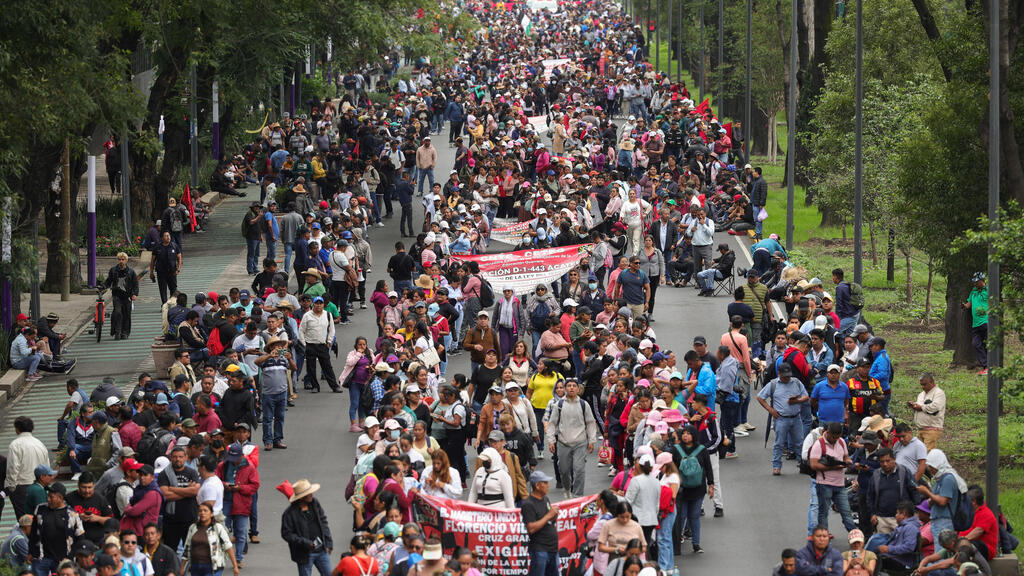
Protests in Mexico City ahead of the World Cup
(Photo: Luis Cortes/Reuters)
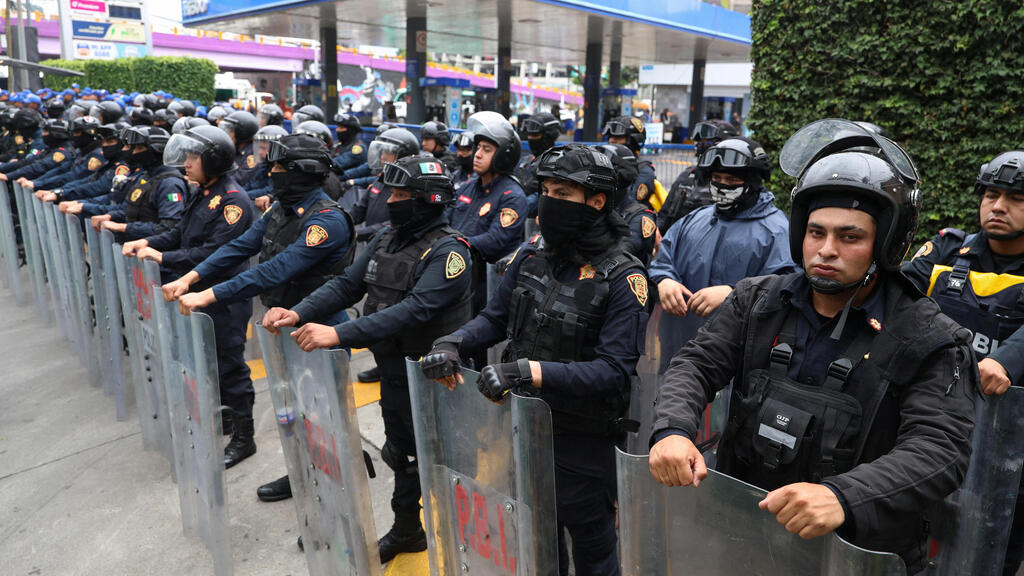
Police are ready to put down violent protestors
(Photo: Luis Cortes/Reuters)
Britain has also taken notice of what is happening in Mexico City. The British Foreign Office updated its guidance for visitors coming to the World Cup and warned of demonstrations, roadblocks and possible traffic disruptions amid the expanding protests in the capital. It is possible the British government remembers past riots by England fans. Unlike Qatar, alcohol flows freely in Mexico, and English fans may arrive in the city in later stages.
And there are pro-Palestinian demonstrations too
As if there were any doubt about how Mexico views the opening match as a national event, Sheinbaum supplied the answer. In a special order, the president instructed federal government employees in Mexico City to work from home Thursday to ease traffic congestion, while classes were canceled at all educational institutions, from kindergartens to universities, in both the public and private systems. The government also called on private companies to adopt a similar model. Health services, security forces, critical infrastructure and World Cup operations staff were exempted from the order. Grill workers’ unions will presumably not be laying down their tools either.
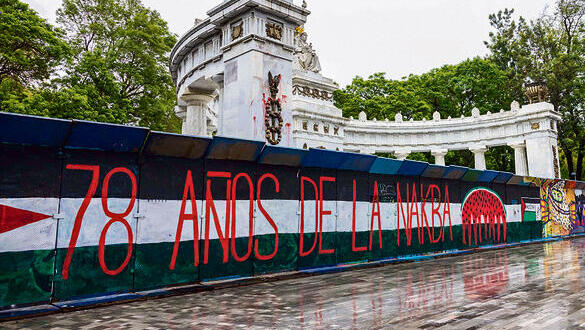
Pro-Palestine banner in Mexico City
(Photo: Oz Moalem)
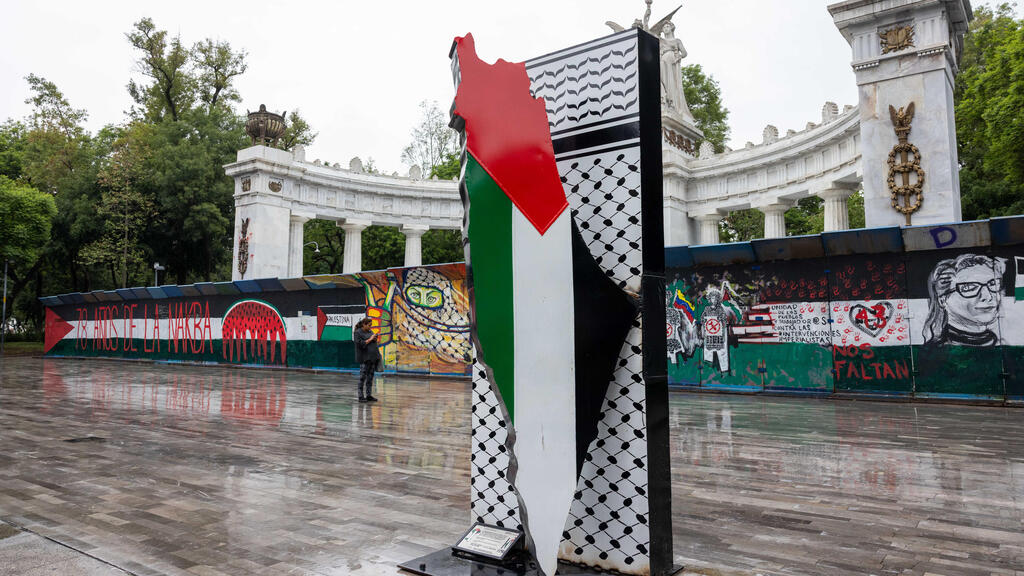
Palestine from the river to the sea - installation in Mexico City
(Photo: Oz Moalem)
There is also a pro-Palestinian presence in Mexico City, including some antisemitic murals and protest graffiti scattered across different areas. Mexico City has a long tradition of social and political protests, and the world’s biggest sporting celebration will not escape that.
Meanwhile, there is disappointment over tourist numbers in Mexico just days before the opening. Miguel, the taxi driver who took us into the city, said he had been counting on higher income and had promised to take his wife to Las Vegas with the money he would make here.
“So far, this isn’t it,” he muttered. “But I’m not worried. In a day or two there will be a flood, and we’ll close the gap.”
Then, like every taxi driver in the world, he returned to the truly important question without my asking: “Who will take the tournament? Mexico or Brazil!”