

Millions of Muslims worldwide are marking Eid al-Fitr this Thursday and through the weekend, ending the month of Ramadan. But across the Middle East, the usual celebrations, family vacations and holiday shopping have largely been scaled back since the war began.
In Israel, malls have reported a recent uptick in visitor spending, including what retailers describe as “emotional purchases” between missile barrages. In contrast, the luxury market in the UAE and across the Persian Gulf has slowed sharply.
Gallery
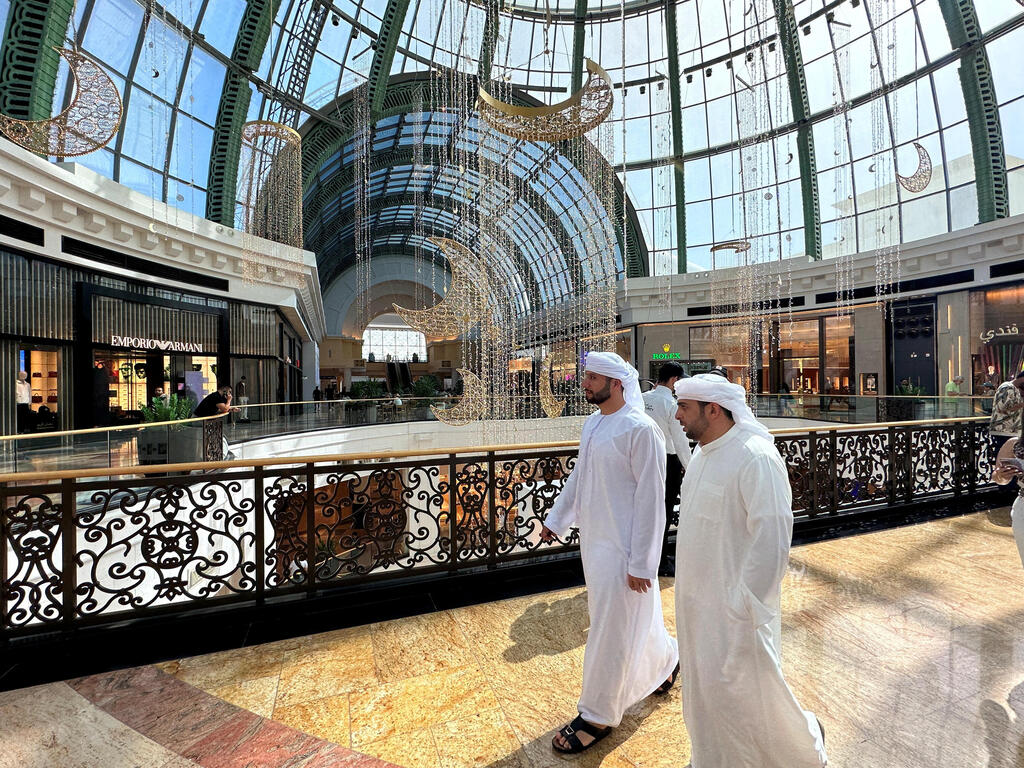
Who wants to buy a $10,000 Chanel bag when there’s a war outside? A mall in Dubai, 2026
(Photo: Reuters/Abdel Hadi Ramahi)
This is no marginal market. Consumers in the UAE, Saudi Arabia, Qatar, Bahrain and Kuwait account for about 10% of global luxury purchasing power, a significant blow to fashion houses already facing economic headwinds. Who would be inclined to buy a $10,000 Chanel bag when there's war outside?
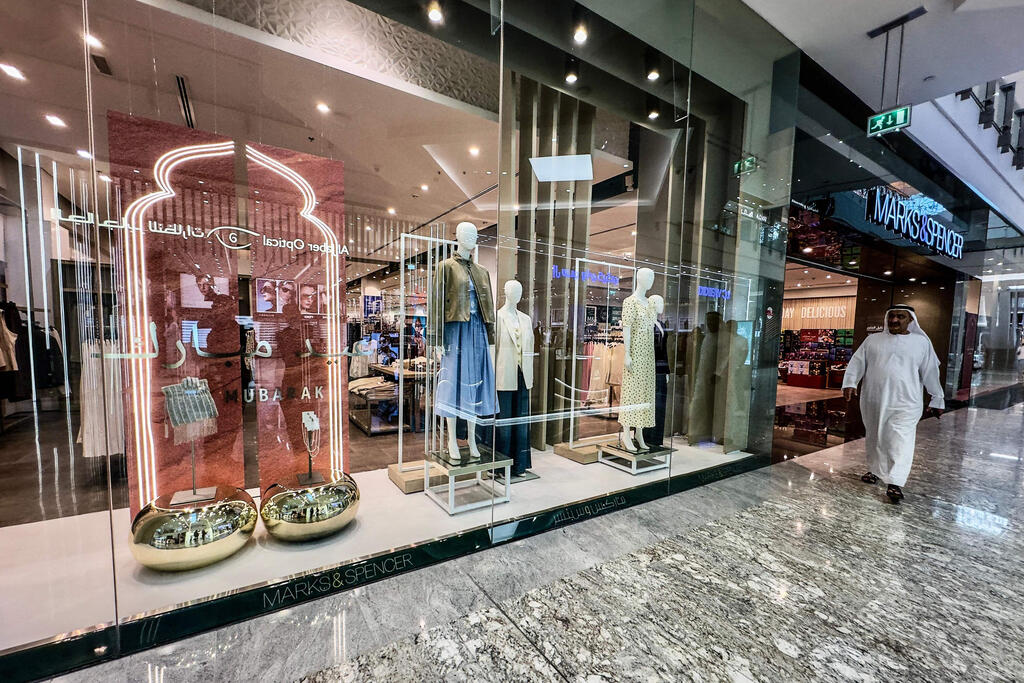
This is no marginal or secondary market. A mall in Dubai, 2026
(Photo: AFP)
According to Reuters, Chalhoub Group, which operates about 900 stores for brands including Versace, Jimmy Choo and Sephora across the region, said its Bahrain locations have closed. Stores elsewhere, including in the UAE, Saudi Arabia and Jordan, remain open, but staff attendance is voluntary.
Amazon has shut down operations at its Abu Dhabi distribution centers, suspended regional deliveries and instructed employees in Saudi Arabia and Jordan to stay home. Kering, which owns Gucci, Balenciaga and Saint Laurent, temporarily closed stores in the UAE, Kuwait, Bahrain and Qatar and suspended travel to the Middle East.
Despite drones flying over Dubai and Abu Dhabi, authorities in the UAE have sought to project "business as usual". On March 2, shortly after the war began, a video circulated showing UAE President and ruler of Abu Dhabi, Sheikh Mohammed bin Zayed Al Nahyan, walking through Dubai Mall, one of the largest shopping centers in the world, in what appeared to be an effort to signal stability.
(UAE President and ruler of Abu Dhabi, Sheikh Mohammed bin Zayed Al Nahyan, walking through Dubai Mall)
Dubai Mall spans about 1.1 million square meters, with about half dedicated to retail. It houses more than 1,200 stores, including dozens of flagship luxurious boutiques for brands such as Chanel, Gucci, Dior and Louis Vuitton. Annual sales run into the billions of dollars, with international tourism playing a key role, particularly in luxury fashion.
"The Middle East was one of the few genuinely positive stories the sector had going into 2026,” Luca Solca, a senior analyst at Bernstein, told Women’s Wear Daily (WWD). "The timing of this disruption is particularly uncomfortable."
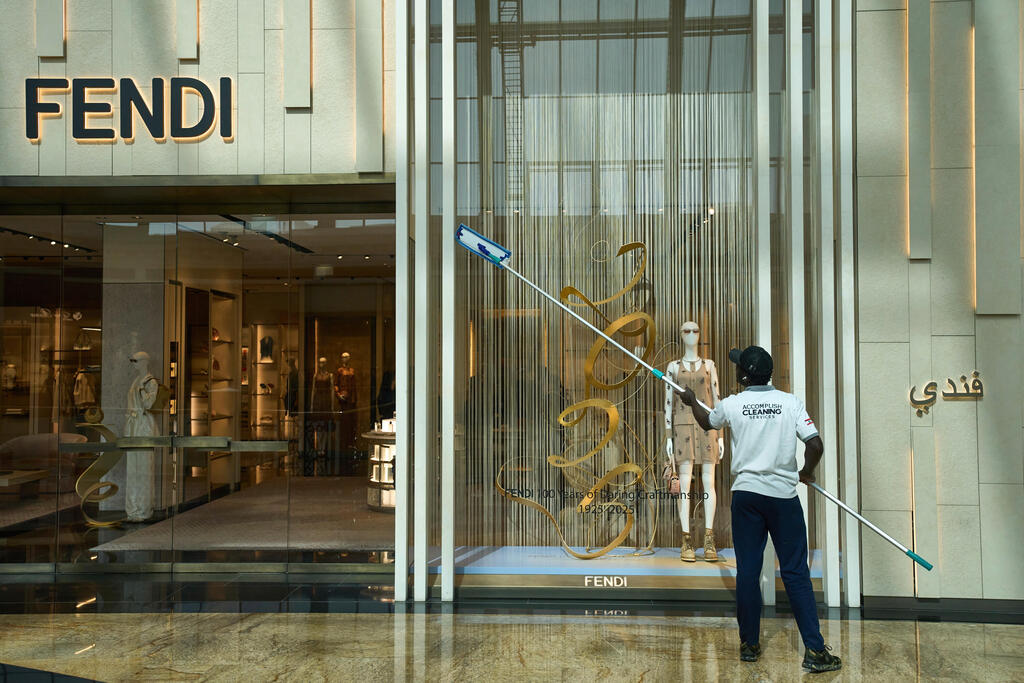
A Fendi store at Mall of the Emirates in Dubai, 2025
(Photo: AP Photo/Fatima Shbair)
The practical impact is already visible. While some boutiques, particularly in Saudi Arabia, remain open and operating normally, the tourists who drive much of the region’s retail activity have largely stayed away.
Prada executives, cited in a Bernstein report, noted that retail activity in the UAE is split into thirds: locals, Emiratis living abroad and tourists. With the UAE estimated to account for about 60% of luxury retail activity in the Middle East, even a modest decline in sales can have outsized effects.
The crisis comes at a difficult moment for the industry. Over the past two years, luxury brands have faced slowing demand in Asia, tensions tied to tariffs imposed by U.S. President Donald Trump, and now growing geopolitical uncertainty weighing on key markets, especially in the Middle East.
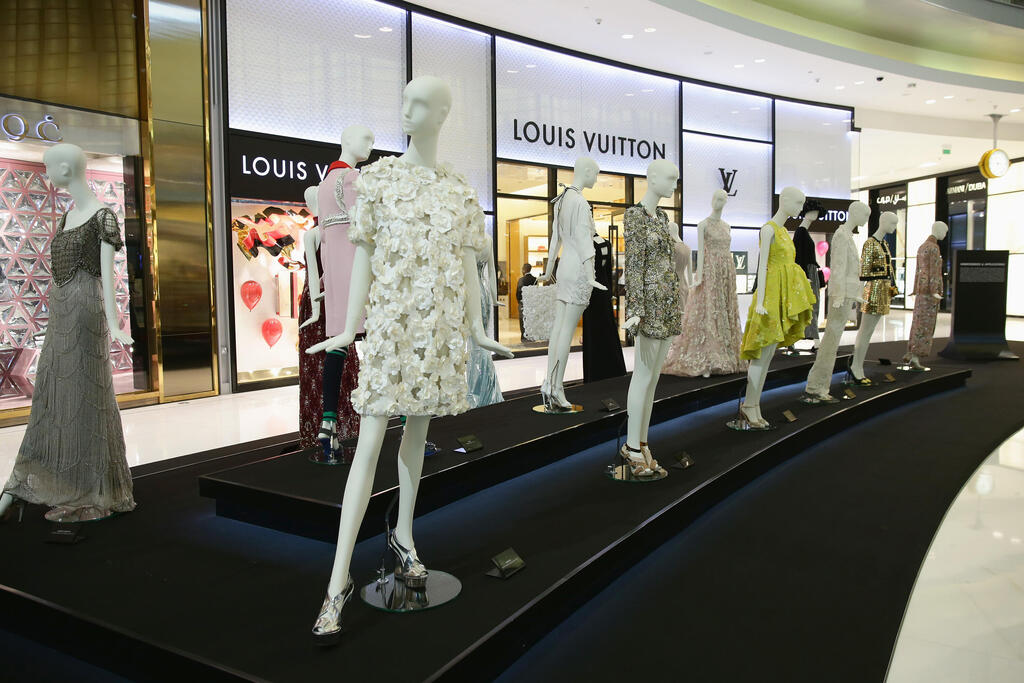
A Vogue event in Dubai, 2014
(Photo: Vittorio Zunino Celotto/Getty Images for Vogue & The Dubai Mall)
Although Gulf consumers represent a relatively small share globally, the region stood out last year as one of the strongest-performing luxury markets, according to Business of Fashion. Vogue Business similarly described the Middle East as a critical growth engine, maintaining momentum even as Europe and Asia slowed.
Missiles over Dubai and Abu Dhabi are also affecting outbound travel by Gulf consumers, potentially hitting luxury sales in Europe. At the same time, widespread flight cancellations are disrupting shipments into the Middle East, directly affecting product availability.
In response, brands are reverting to strategies used during the COVID-19 pandemic, where sales associates maintain direct contact with top clients, targeting high-net-worth shoppers who remain at home and, in some cases, continue to spend.
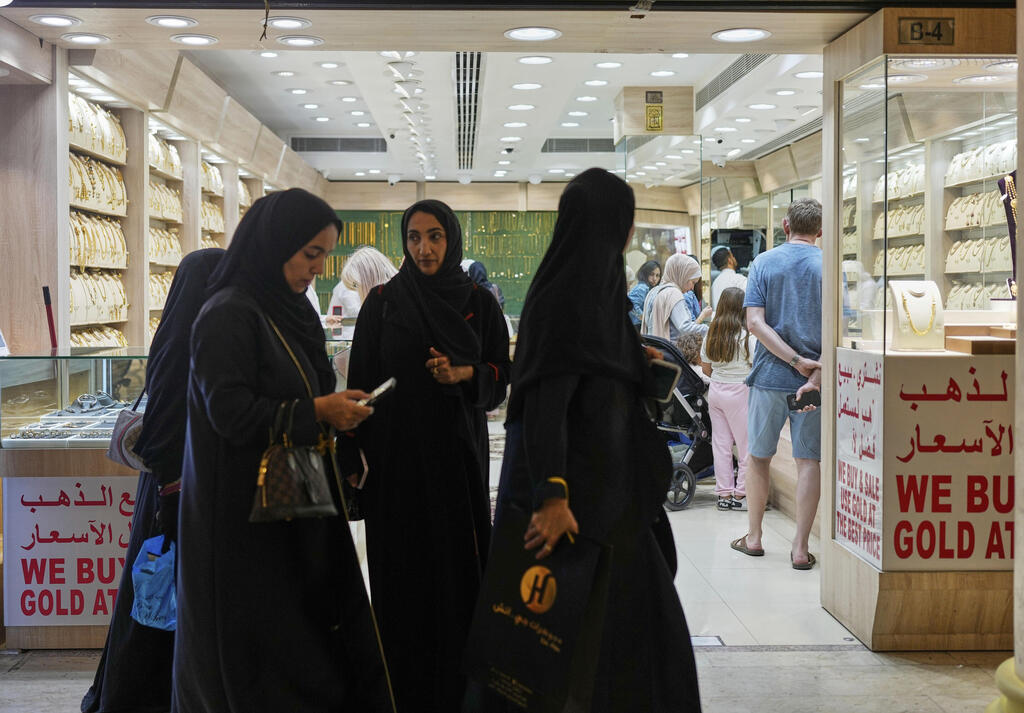
A shop in Dubai’s Gold Souk, 2025
(Photo: AP Photo/Altaf Qadri)
Market data reflects the strain. The STOXX Europe Luxury 10 index has dropped about 9% in a short period, wiping out hundreds of billions of euros in market value among leading groups. Shares of LVMH, Kering and Richemont have all declined by several percentage points within days, an unusual move in a typically stable sector.
Over two months, LVMH shares fell by more than 10%, while Hermès showed relative resilience with a more modest decline of 1% to 3%. Richemont shares dropped by up to 3%.
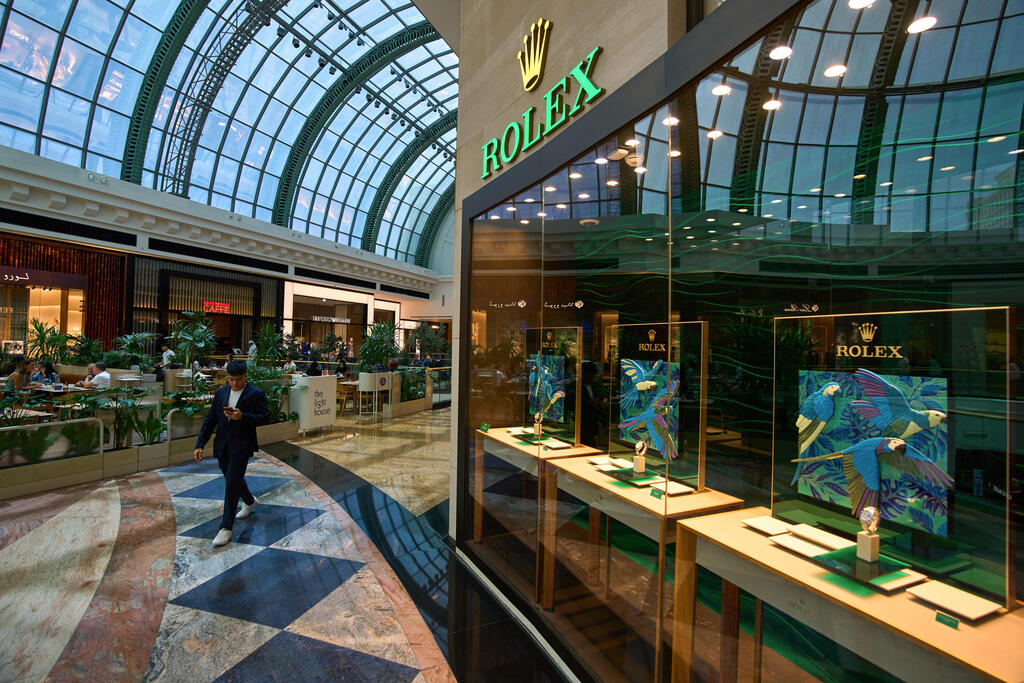
A Rolex store at Mall of the Emirates in Dubai, 2025
(Photo: AP Photo/Fatima Shbair)
"In the past three or four years, the luxury sector has lost about one in five consumers,” Gabriel Debach, a market analyst at eToro, told Fashion Network. “The market is not shrinking so much in value as in its customer base. The sharp rise in prices has pushed a portion of aspirational consumers out of the market, leaving the sector increasingly dependent on wealthier clients.”
The result is a highly polarized industry. Even shoppers considering relatively accessible items, such as a Gucci belt or a Prada keychain, may think twice before spending during a conflict unfolding at the height of Ramadan, typically a peak consumption period.
That hesitation could weigh on future growth. The Gulf luxury market was valued at about $13 billion in 2024 and was expected to reach about $15 billion by 2027, according to Chalhoub Group estimates. Those projections are now in doubt.
Industry insiders say the ultimate impact will depend on how events unfold. A swift end to the war could limit the damage, while a prolonged escalation could deepen it significantly.