

Inside the maximum-security Pendleton Correctional Facility, an unusual rehabilitation program is turning part of the prison into a cat sanctuary where prisoners care for rescued and often traumatized animals.
The initiative, known as FORWARD — Feline and Offenders Rehabilitation with Affection, Reformation and Dedication — allows selected inmates to care for cats rescued through partnerships with local shelters, including the Animal Protection League of Anderson. Many of the animals arrive after abandonment, abuse or repeated rejection from adoption systems.
Inside the converted sanctuary space, inmates spend several hours a day feeding, cleaning and socializing the cats. The facility, established in 2015 through donations and built with inmate labor, includes bedding areas, wall-mounted cubbies and enclosed resting spaces designed to create a calmer environment for the animals.
Participants are carefully screened and interviewed before entering the program. Once accepted, they are responsible for maintaining feeding schedules, hygiene protocols, litter management and basic animal care under staff supervision.
Inmates and staff describe the environment as structured but unusually calm compared to the rest of the prison. Daily routines require coordination, record-keeping and cooperation among participants. Prison staff say the responsibilities help reinforce discipline and consistency in behavior.
Inmates involved in the program say the cats provide companionship and emotional grounding. Some describe forming bonds with animals that were initially fearful or aggressive, gradually gaining trust through repeated, gentle interaction.
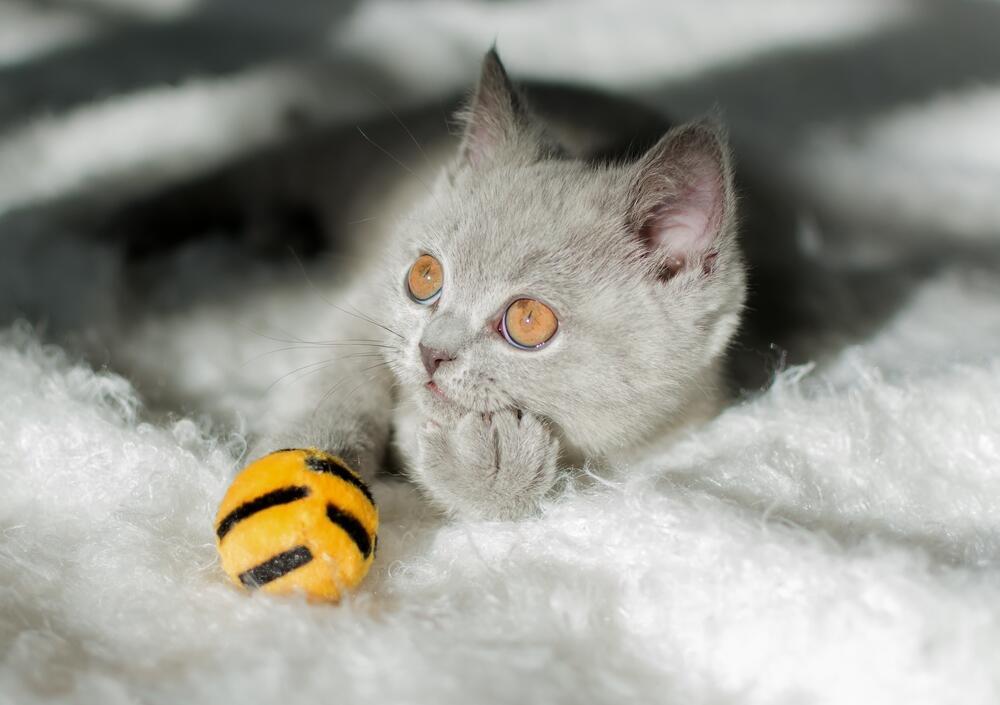
The initiative, known as FORWARD allows selected inmates to care for cats rescued through partnerships with local shelters
(Photo: Lilia Solonari/Shutterstock)
Correctional staff report observable changes in participants, including improved conduct, increased patience and more respectful interactions with both staff and other inmates. Officials say these behavioral shifts may carry over into post-release adjustment by reinforcing responsibility and empathy.
The program received recognition from the ASPCA in 2022 for its contribution to animal welfare and rehabilitation efforts.
Similar approaches have been explored in other correctional settings, where large numbers of rescued cats have been placed under inmate care in structured environments. In one documented initiative, hundreds of cats were introduced into a controlled program inside a correctional facility, where inmates managed feeding, grooming, cleaning and basic health monitoring.
That larger-scale model emphasized both the therapeutic benefits and operational challenges of managing high volumes of animals in confinement. While inmates reported increased structure and emotional relief, staff noted that such programs require intensive coordination, including veterinary oversight, vaccination schedules and strict hygiene protocols to manage animal health and stress.
Across programs of different scales, common outcomes have been reported: structured daily routines for inmates, opportunities to develop caregiving skills and improved social dynamics within prison units. For the cats, outcomes depend on individual cases, with some eventually adopted into homes while others remain in long-term sanctuary care.
Supporters of such initiatives argue that the programs create mutual benefit—offering rehabilitation opportunities for incarcerated individuals while providing care for animals that might otherwise be difficult to place in traditional shelters.
Critics and administrators alike emphasize that success depends on strict oversight, adequate resources and careful selection of participants to ensure both animal welfare and institutional safety.
Taken together, these programs highlight an unconventional intersection of correctional rehabilitation and animal welfare, where confinement becomes a setting for caregiving, routine and, in some cases, second chances for both people and animals.