


More than 25,000 Israelis wounded in the war since October 7, 2023 have entered the Defense Ministry’s rehabilitation system, according to data presented Sunday by the ministry alongside recommendations from a public committee examining Israel’s national response to wounded soldiers and veterans.
More than 70% of the newly wounded have already received official recognition from the state and are awaiting disability assessments. The committee’s recommendations are intended both for those already recognized and for the roughly 30% whose cases are still being processed.
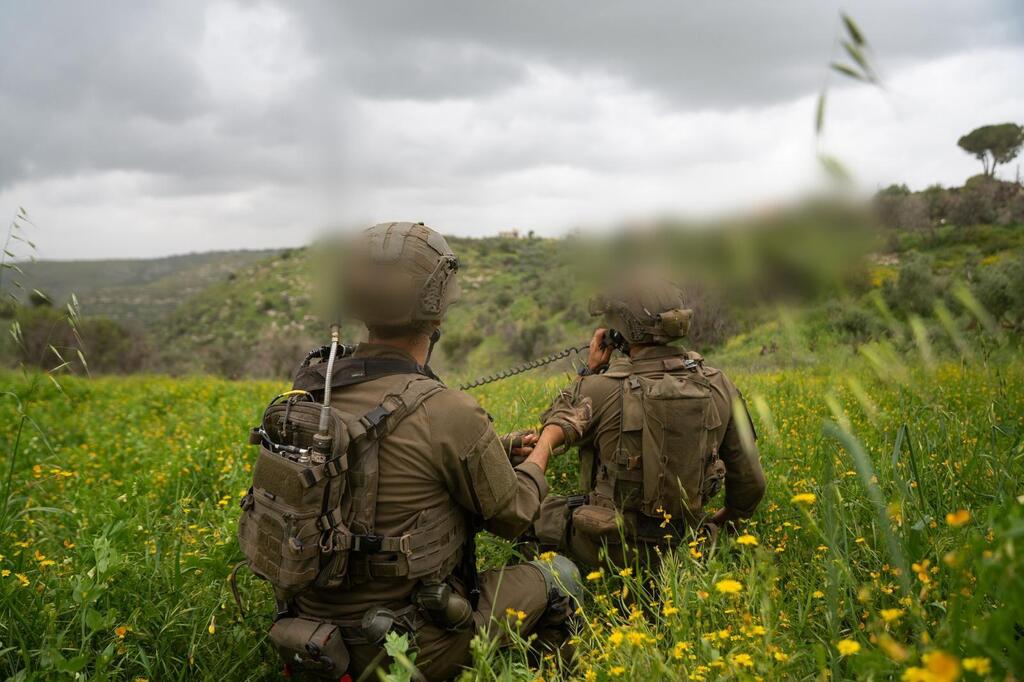
More than 25,000 Israelis wounded in the war since October 7, 2023 have entered the Defense Ministry’s rehabilitation system
(Photo: IDF Spokesperson)
The recommendations come amid a sharp increase in the number of wounded since the outbreak of the war. By 2028, the Defense Ministry estimates that approximately 100,000 wounded individuals will be treated by its Rehabilitation Department, including about 50,000 coping with psychological injuries.
The committee's work spanned seven months and included public consultations, discussions by specialized subcommittees, drafting recommendations and assessing budgetary implications. Subcommittees focused on mental health, eligibility rights, service experience, service delivery and organizational and technological infrastructure.
At the same time, implementation of the recommendations still requires budget approval from the Finance Ministry and, in some cases, legislation.
Among the committee’s main recommendations are assigning every wounded person a dedicated case manager from the Rehabilitation Department, expanding digital self-service options primarily through mobile platforms and improving medical care by increasing patients’ freedom to choose healthcare providers and strengthening rehabilitation expertise among department physicians.
The committee also recommended tailored services for specific groups, including people with traumatic brain injuries, lone soldiers, women facing potential fertility-related consequences from their injuries and wounded veterans living abroad.
Mental health recommendations include expanding access to alternative therapies, establishing a dedicated psychiatric ward, creating a residential treatment facility for individuals facing both mental illness and addiction, opening a separate facility for women and creating specialized treatment groups for post-traumatic stress disorder.
Additional recommendations focus on expanding treatment options and benefits for those with physical injuries.
The committee also proposed incentives to encourage rehabilitation and employment, including financial rewards for returning to work, personal guidance and rehabilitation frameworks for those unable to rejoin the workforce. According to the Defense Ministry, about 75% of the wounded have already returned to employment, and the goal is to help the remaining 25% do the same.
Support for family members is another major component of the recommendations. Proposed measures include expanded eligibility for mental health treatment and counseling, as well as financial assistance during hospitalization and recovery, even after the wounded family member is discharged.
The committee further called for completing implementation of the “One Soul” mental health reform, which Defense Ministry officials said is expected to advance in the coming period.
Defense Ministry officials said the success of the recommendations depends largely on transforming the Rehabilitation Department into a national authority responsible for treating wounded members of Israel’s security services. As part of an emergency plan to absorb the 25,000 newly wounded, the ministry plans to secure additional funding, establish an implementation team and increase staffing levels to address significant delays caused by personnel shortages.
Officials noted that patients requiring psychiatric evaluations can currently wait up to six months for an appointment. A new computerized system is also planned to replace what the ministry described as an outdated and cumbersome platform.
The ministry estimates the program’s annual cost at 5.2 billion shekels (about 1.4 billion dollars), based on projections made on October 7, 2023. By 2026, however, annual spending has already reached 10 billion shekels (about 2.8 billion dollars). Following the committee’s recommendations, officials estimate an additional 2 billion shekels (about 560 million dollars) per year will be required, along with a one-time 500 million shekels (about 140 million dollars) investment to implement the reforms.
Under the proposed model, each patient would receive support from a dedicated personal case manager for up to five years, backed by a second tier of specialists including social workers, medical personnel and welfare professionals.
To accelerate disability assessments, the committee recommended a “front-door reform” for the Rehabilitation Department, including the use of AI systems to collect and process medical documents, the creation of a center specializing in mental health disability evaluations, the presence of an IDF representative during medical committee hearings and the inclusion of psychologists, including clinical specialists, in disability assessment panels. Some of these changes would require legislative amendments.
The mental health recommendations also call for strengthening preventive programs within the IDF and other security agencies, establishing a nationwide psychiatric hospitalization unit dedicated to disabled veterans, expanding oversight of medical cannabis through the Health Ministry, creating a dedicated headquarters unit for mental health issues and completing the “One Soul” reform.
Additional proposals focus on coordination with government ministries and local authorities, including appointing dedicated contacts in municipalities, strengthening cooperation with nonprofits and creating integrated digital systems linking the Rehabilitation Department with agencies responsible for social security, transportation, housing, healthcare and educational support for wounded veterans’ children.
According to the Rehabilitation Department, about 20% of the committee’s recommendations require legislation. Defense Ministry officials said a government decision, alongside legislative action, will be necessary to implement the reforms and called for the creation of an interministerial implementation team to ensure progress across government agencies.
Asked how priorities would be determined if funding is approved only partially, a Defense Ministry spokesperson said decisions would be made once the budget is finalized, while emphasizing that some projects, such as the transition to a new digital system, cannot be implemented in stages and would require full funding.