

The year 2025 was marked by mounting environmental challenges, from extreme climate events to global conservation crises and wars. Below is a month-by-month look at the most pressing environmental issues in Israel and around the world over the past year.
January: Empires fall
The collapse of Bashar Assad’s regime in Syria at the end of 2024 raised questions about the future of water flows in the Yarmouk River, a critical water source for Jordan, which suffers from the world’s second most severe water scarcity. The lack of oversight in the area continues to fuel concern over unregulated water pumping by local factors in Syria, which could harm Jordan’s water supply and destabilize the region.
On the other side of the globe, massive wildfires raged across Los Angeles for weeks before firefighters brought them under control. The fires consumed hundreds of thousands of acres of forest and residential areas, caused extensive damage to plant and animal life, and claimed dozens of lives.
The destruction caused by wave of wildfires in LA
(Reuters)


February: Historic drought
In early February, Israel’s Water Authority announced that the winter of 2025 was the driest in 100 years. The lack of rainfall harmed a variety of plant species that typically bloom during this month, including the Petra iris and anemones.
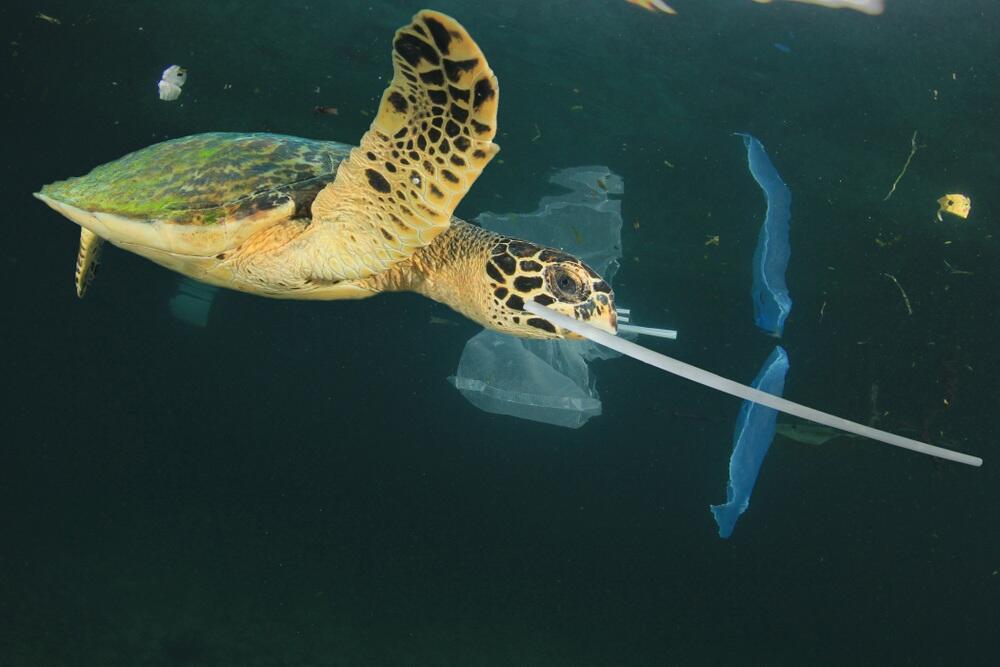
On the international stage, U.S. President Donald Trump signed an executive order to bring back single-use plastic straws. The battle over straws reflects a broader clash between political ideologies, but beyond politics, the oceans continue to fill with plastic waste.
March: An environmental-security crisis
The environmental situation in the Gaza Strip poses a direct threat not only to Gaza residents but also to Israel, particularly communities near the border and in the western Negev. Reports warned of the risk of disease outbreaks and severe contamination due to exposed bodies and the destruction of water and sewage infrastructure. In addition, sewage flowing into the sea could pollute Israel’s beaches and shut down Mediterranean desalination plants.
Pollution in Shikma stream near the Gaza border
(Sayeret Shikma)
April: Wildlife trafficking
Illegal wildlife trafficking is on the rise. The smuggling of lion cubs and dozens of monkeys sparked widespread discussion on social media, but more common trafficking cases that involve parrots and reptiles receive far less media attention. Illegal trade in wildlife and wild plants is among the largest branches of organized crime worldwide, generating tens of millions of shekels annually through sophisticated methods and money laundering.
Lion cubs in HayPark, Kiryat Motzkin
(HayPark Kiryat Motzkin)
May: Rising smoke and cleaner technologies
On the eve of Israel's Independence Day, a major wildfire broke out in the Jerusalem Hills, disrupting holiday plans and damaging large areas of flora and fauna. The fire erupted just a week after another blaze in the same area. While wildfires have always occurred, the climate crisis appears to be intensifying both their frequency and severity.
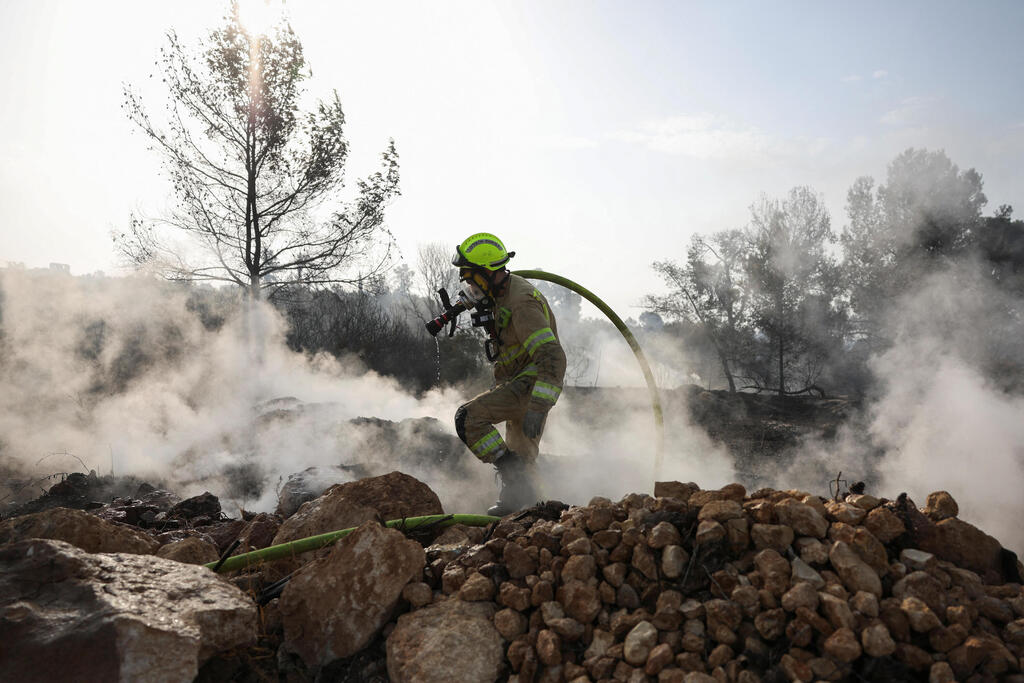
Firefighting efforts in Jerusalem
(Photo: Ronen Zvulun/Reuters)
Alongside the smoke, emissions from the Orot Rabin power station in Hadera showed signs of improvement. Although it remains one of Israel’s most polluting power plants, a new study found that the installation of emissions-reduction systems significantly improved air quality in nearby communities.
Still, four of the plant’s six coal-fired units continue to operate without such systems. Despite technological advances, the optimal solution remains phasing out coal in favor of renewable energy. In Israel, that transition is delayed by bureaucracy, technological challenges, security considerations and economic interests.
June: Iranian missile hits Bazan facilities
Two Iranian missile strikes hit the Bazan (oil refineries) complex in Haifa Bay, killing three workers and shutting down the facilities. The incident exposed the critical vulnerability of Israel’s energy sector, as the shutdown left the country with a single operational refinery and emergency fuel reserves sufficient for only a few weeks. The Iranian attacks sharpened calls to accelerate the shift to decentralized and renewable energy production.
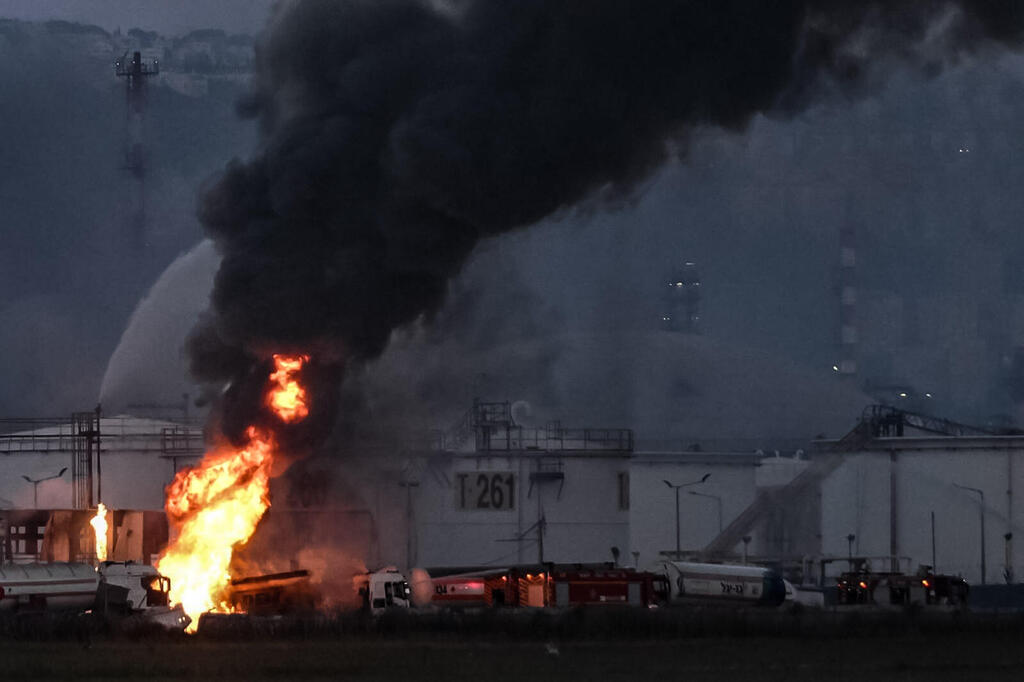
Fire at the oil refineries in Haifa Bay
(Photo: Gil Nehushtan)
In the same context, a study described geopolitical conflicts as a form of 'mass climate attack', accelerating global warming, generating massive greenhouse gas emissions, damaging green infrastructure and freezing regional cooperation such as the ‘electricity for water’ agreement with Jordan.
July: Resilience, knowledge and innovation
The Bazan facilities resumed operations after the missile strikes, but the debate over the urgent need for energy resilience remained. Strategies such as decentralizing the energy sector through millions of small solar systems and establishing independent power networks, or microgrids, could strengthen Israel’s energy resilience, but progress remains slow and hesitant.
Israel’s largest environmental event, the 53rd annual Science and Environment Conference, was held at Tel Aviv University. Key topics included the transition to decentralized renewable energy, the role of alternative proteins in global food security and the ‘One Health’ approach linking environmental and human health. President Isaac Herzog emphasized the close connection between the climate crisis and national security.

Opening plenary: the environment in times of war and the rehabilitation of conflict zones
(Photo: Yael Maslaton)
August: Heat waves and drought
The heat waves that swept Israel underscored that the dry future long warned about has already arrived. A United Nations report cautioned that droughts lead to reduced food supplies, severe restrictions on electricity consumption and acute water shortages. In Israel, despite desalination, regions such as the Galilee and the Golan Heights that are not connected to the national water carrier experienced a roughly 30% decline in natural water sources this year.
September: Energy poverty and food waste
A new report found that about one-fifth of Israeli households suffer from energy poverty, meaning they cannot afford to use electricity for basic needs, especially during extreme heat or cold. The most vulnerable populations include people living in poverty, the Arab and Bedouin communities, and the elderly.
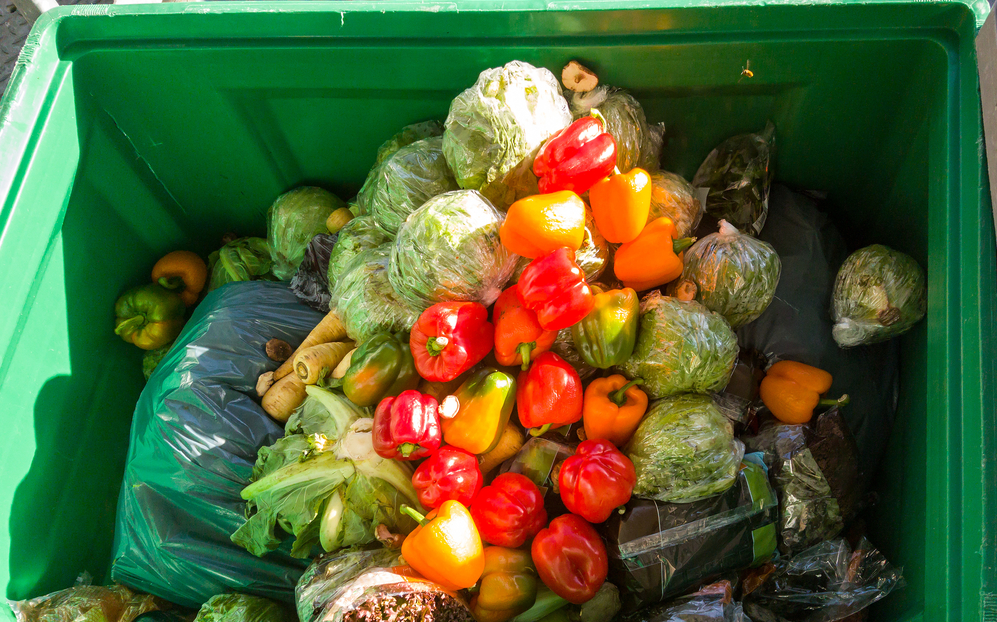
At the same time, an Israeli study examined food waste among children and teenagers, finding that leftovers from cooked meals were the most commonly discarded items, followed by school sandwiches. The study identified emotional detachment from food production as the main cause and recommended continuous exposure to agriculture and hands-on learning as a path to change.
(Photo: shutterstock)
October: Climate blindness and innovative technology
A large international survey painted a troubling picture: only 42% of Israelis view the climate crisis as a serious threat, placing Israel near the bottom among 25 countries surveyed. Terrorism remains the primary perceived threat among Israelis.
Despite the low prioritization of climate risks, environmental action continues. An Israeli study demonstrated how environmental DNA methods enable noninvasive monitoring of rivers and streams. The approach identifies biodiversity, detects new invasive species such as aquarium fish in the Yarkon River, and significantly reduces reliance on traditional methods that harm fish and habitats.
November: COP30 and consumption
The COP30 global climate conference was held in Belem, Brazil, with attention focused on the host country’s challenges. Brazil faces extensive deforestation in the Amazon, largely for cattle ranching, alongside massive fires, water shortages and air pollution. One notable outcome was the creation of a fund to combat climate disinformation. Still, the conference ended without binding commitments to explicitly phase out fossil fuels.
Indigenous people
demonstrate at the climate conference.
(Reuters)
During the annual shopping season, a new study challenged the 'green' reputation of secondhand clothing. The research found that buying used clothes often does not replace new purchases but adds to them, significantly reducing the environmental benefit. The researchers called for a focus on reducing overall consumption through a combination of education and regulation.
December: Reclaimed wastewater quality
A new report revealed a complex picture behind one of Israeli agriculture’s main water sources: reclaimed wastewater. Although Israel is a global leader in wastewater reuse for agriculture, the report found that a significant portion of the water does not meet required standards.
It also showed that reclaimed water may contain various contaminants, including bacteria, viruses and pharmaceutical residues, which reach soil, water and the food chain. The report called for stronger real-time monitoring, consideration of restrictions on irrigating sensitive crops such as leafy greens, and treatment of pollutants at the source before they reach wastewater facilities.
Looking ahead to 2026
In 2026, Israel and the world will need to deepen efforts to build climate resilience as extreme weather events become more frequent and geopolitical crises persist. Leveraging scientific knowledge, innovation and a commitment to the public good will be essential to adapting to a rapidly changing reality.
The article was prepared by Zavit, Israel's science and environment news agency