

Oats are now found almost everywhere: in porridge, granola, cookies, snack bars and even drinks. They have earned a reputation as a "superfood" and become a favorite among health-conscious consumers. But behind their healthy image lies a question that does not always receive enough attention: Are oats really suitable for everyone?
A bowl of oatmeal is widely considered one of the healthiest ways to start the morning. It is rich in dietary fiber, filling and easy to incorporate into a balanced diet. Yet for some people, this seemingly healthy breakfast ends with bloating, gas and sometimes stomach pain. So how can a food considered beneficial for digestion sometimes produce the opposite effect?
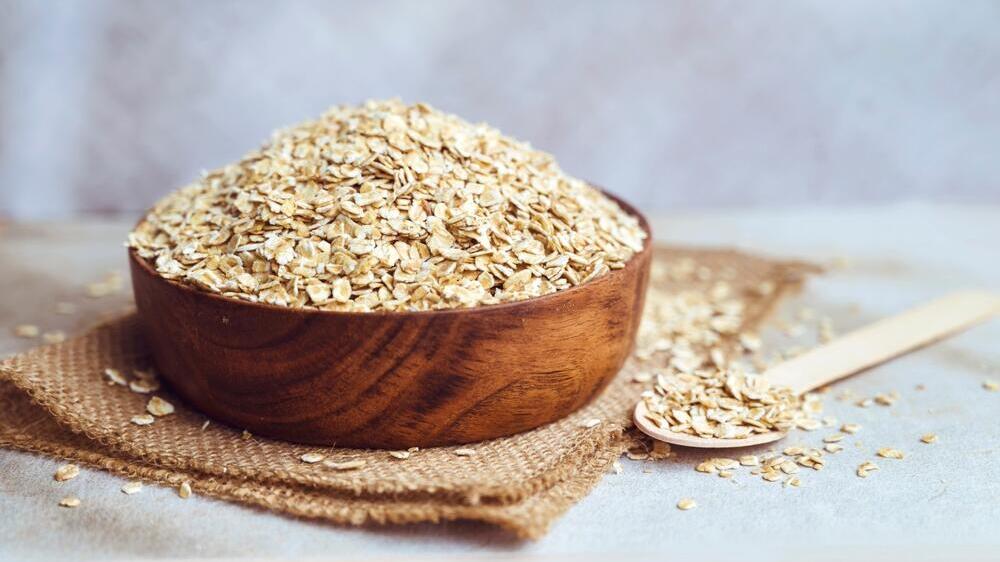
To understand what causes this reaction and whether the discomfort can be prevented without giving up oats, we spoke with Meital Levy, a clinical dietitian at Leumit Health Services. According to Levy, the answer depends not only on what we eat but also on how much we eat, how the oats are prepared and how our individual digestive systems respond.
One possible cause of bloating and gas after eating oats is actually one of their greatest nutritional advantages: fiber. When a large amount of dietary fiber is suddenly introduced into the diet, the digestive system does not always adjust immediately. The result can be a feeling of heaviness, bloating and gas.
Why do oats cause bloating, gas or stomach pain in some people?
"Digestion is highly individual. Oats are rich in fiber, and some people actually have difficulty with high-fiber foods. For people who are sensitive to certain types of fiber or to the amount of fiber they consume, this can cause bloating or gas. However, oats are generally considered easy to digest for most people, and it all comes down to quantity," Levy explains.
According to Levy, discomfort after eating oats does not necessarily indicate a sensitivity to the grain itself. Sometimes the problem is an excessively large portion, a rapid change in eating habits or a combination of factors affecting the digestive system. When a food is considered healthy, it is easy to assume that eating more of it will provide greater benefits. But with oats, too, portion size can make a significant difference.
Can a large bowl of oatmeal cause discomfort even in someone without any particular sensitivity?
"It's very individual, and any food consumed in large quantities can have an effect. A large bowl of oatmeal or a large bowl of salad provides a substantial amount of fiber. The question is what the person is accustomed to eating, what types of fiber they consume and how it fits into their daily routine. There are many factors involved."
How much oatmeal should you eat, and is there a recommended amount for people who experience bloating?
"A serving of about 30 grams of dry oats, equivalent to roughly one-third of a cup depending on the type and size of the flakes, can be a good starting point. This serving contains approximately 110 to 120 calories, and when cooked in water, it produces a small to medium bowl, depending on the amount of liquid used.
"For most adults, a serving of 30 to 50 grams is a practical range for breakfast, depending on appetite, nutritional needs and what else they eat throughout the day. If oats cause bloating, it is better to start with a smaller amount, such as 15 to 20 grams, and increase it gradually only if you feel comfortable. There is no need to eat a large portion simply because oats are considered healthy," Levy explains.
Could the problem be what you add to the bowl?
Oats are rarely eaten on their own. Some people cook them in milk, while others add yogurt, fruit, honey, nuts or sweeteners. Each of these ingredients changes the nutritional composition of the meal and sometimes the way the digestive system responds to it.
If you experience bloating after eating a bowl of oatmeal, the oats themselves may not be responsible. For example, milk containing lactose can contribute to discomfort in people who are sensitive to it. Large amounts of apples, dried fruit, honey or certain sweeteners can also aggravate symptoms in some people. In such cases, it may be worth preparing oatmeal with water or lactose-free milk and initially reducing the number of toppings to see whether the discomfort improves.

(Photo: Shutterstock)
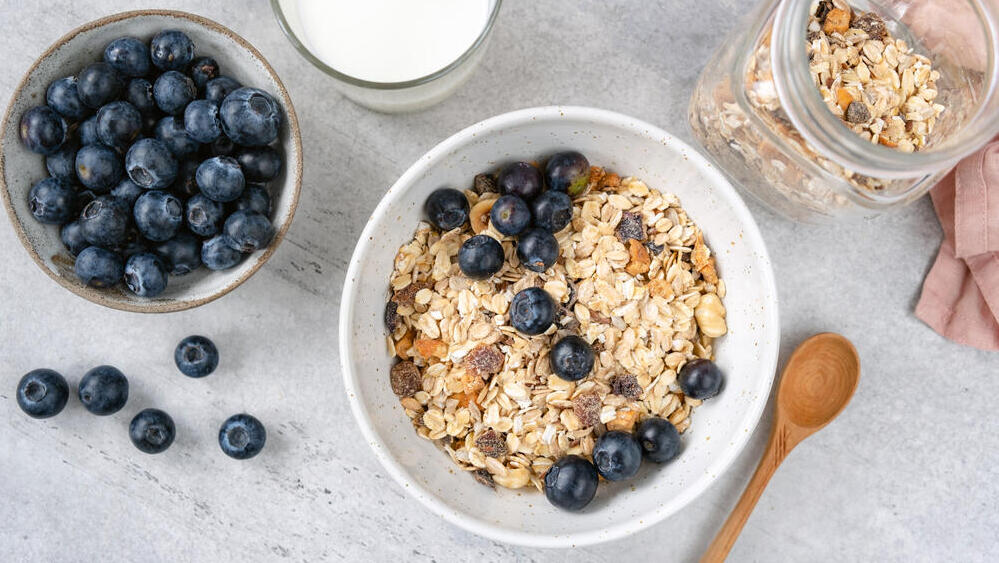
However, there is no reason to eliminate toppings altogether. According to Levy, a balanced, satisfying bowl of oatmeal can be prepared by combining different nutrients. For example, yogurt adds calcium and protein, regular milk or soy milk can be used to cook the oats, and nuts or almonds provide healthy fats. Fresh blueberries, which contain antioxidants, fiber and vitamins, can also be added, along with cinnamon for flavor. The key is to choose toppings that suit your personal preferences and pay attention to whether any of them cause discomfort.
Hot oatmeal or quick oats: Which is better?
Portion size and toppings are not the only factors that may affect how you feel after eating oats. The way they are prepared can also make a difference. Oats come in several forms: whole oat groats, groats cut into smaller pieces, flakes that have been steamed and flattened, and thinner flakes designed for quick preparation. The differences primarily affect texture, cooking time and how the oats are used in the kitchen.
Can soaking or cooking oats make them easier to digest? For example, when preparing overnight oats in the refrigerator?
"Absolutely. Soaking oats in water or cooking them helps soften the fiber, so the body has to work less to digest them," Levy says.
According to Levy, softening the oats may help relieve discomfort in some people, although individual responses vary. She emphasizes that the type of oats also matters. Thin, quick-cooking oats need only a short time in the microwave with liquid, while other varieties require longer cooking. People who experience discomfort after eating oats can therefore try preparing them as thoroughly cooked, soft oatmeal and see whether that helps.
But are quick oats less healthy than varieties that require longer cooking? Not necessarily. Quick oats can also be a nutritious choice, particularly when the product contains 100% oats without added sugar.
The main difference lies in processing. Thicker rolled oats retain more of their original structure, while quick oats undergo additional processing and are thinner. When comparing equal quantities of plain oats, their fiber content and other nutritional components are generally similar.
However, thinner, more heavily processed oats may be digested more quickly and lead to a faster rise in blood sugar levels compared with thicker varieties. In other words, there is no need to avoid quick oats simply because they take less time to prepare. What matters most is checking the ingredient list and watching for added sugar.
So why should we eat oats at all?
Despite the discomfort they may cause some people, oats offer numerous nutritional benefits. They contain complex carbohydrates, dietary fiber, protein, plant-based unsaturated fats, vitamins and minerals.
According to Levy, the dietary fiber in oats helps promote prolonged satiety and supports normal digestive function. Oats also contain minerals such as magnesium, iron and zinc, along with B vitamins.
One of the components most closely associated with oats is beta-glucan, a type of soluble dietary fiber. Soluble fibers dissolve in water and form a gel-like substance in the digestive system, helping slow the absorption of nutrients.
"It creates a thicker texture, which is why oats become creamy when cooked into porridge, and it has the ability to absorb liquids. It helps promote satiety and supports normal digestive function," Levy explains.
Beta-glucan is also associated with lowering blood cholesterol levels and producing a more gradual rise in blood sugar after eating.
(Photo: Shutterstock)
But how much fiber do oats actually contain? According to figures provided by Levy, 10 grams of dry oats contain approximately 1 gram of dietary fiber. The amount may vary slightly between products, and these figures refer to plain oats without added ingredients. It is therefore worth checking the nutritional information on the package.
For comparison, the general daily recommendation for adults is about 25 to 30 grams of fiber, sometimes more, depending on age, sex and dietary guidelines. So while oats are a good source of fiber, they should not be the only source in your diet. Other foods, such as quinoa and buckwheat, can offer similar nutritional benefits, and there is no need to choose oats specifically to maintain a varied, healthy diet.
What about gluten?
One issue that often causes confusion about oats is their relationship with gluten. Oats do not naturally contain the gluten proteins found in wheat, barley and rye, but they may come into contact with gluten-containing grains during cultivation and processing. As a result, not every oat product is suitable for people with celiac disease.
Levy explains that regular oats are not necessarily considered gluten-free, but specially labeled gluten-free products are available for people with celiac disease. Those with the condition should pay attention to the appropriate labeling on the packaging and follow the dietary guidance they have received.
People with non-celiac gluten sensitivity, on the other hand, may be able to include oats in their diet, depending on the nature of their sensitivity and their individual tolerance.
When should you reduce your portion, and when should you see a doctor?
If oats cause bloating or gas, there is no need to eliminate them from your diet immediately. You can try reducing the portion size, increasing it gradually, cooking the oats thoroughly and checking whether one of the other ingredients in the meal is responsible for the discomfort.
Eating habits may also play a role. Eating slowly, chewing thoroughly and drinking enough fluids throughout the day can help, particularly for people who tend to experience constipation.
Are there people who should avoid oats?
"People with digestive sensitivities need to assess their tolerance and the quantities they eat. It depends on the problem. For constipation, for example, adding fiber can help. On the other hand, people who suffer from bloating, gas and sensitivities need to introduce oats carefully," Levy says.
However, it is important to distinguish between temporary discomfort and symptoms that require medical evaluation. If bloating persists even after reducing the portion size, or if it is accompanied by significant pain, persistent changes in bowel movements, unintentional weight loss or blood in the stool, it is advisable to consult a doctor.
In cases of severe, sudden abdominal pain, persistent vomiting or significant abdominal swelling accompanied by an inability to pass gas or stool, urgent medical attention is necessary.
Ultimately, oats are nutritious, affordable and versatile, but they are neither a miracle food nor necessarily suitable for everyone. They can be enjoyed as hot oatmeal, with yogurt, in granola, baked goods and even savory dishes. But there is no obligation to eat them every morning to benefit from a healthy, varied diet.
And if your seemingly healthy breakfast leaves you feeling uncomfortable, you may not need to remove oats from your diet entirely. Sometimes, simply starting with a smaller portion, changing the preparation method or taking a closer look at what else goes into the bowl is enough.