

Dutch beer giant Heineken has acknowledged that weight-loss drugs pose a threat to beer sales, a rare admission from a major alcohol producer. In a presentation obtained by Reuters, the company urged pub and bar owners in Britain to adapt to the growing use of the medications.
The presentation comes amid a surge in the use of weight-loss injections, known as GLP-1 drugs. According to a study by investment bank JPMorgan, about 10 million people in the U.S. used weight-loss medications last year, including Eli Lilly's Mounjaro and Novo Nordisk's Wegovy and Ozempic. Their impact is already being felt across a range of industries: Cravings for sweets and snacks are declining, demand for clothing alterations is rising and companies are rushing to market products designed to ease the drugs' side effects.
Gallery
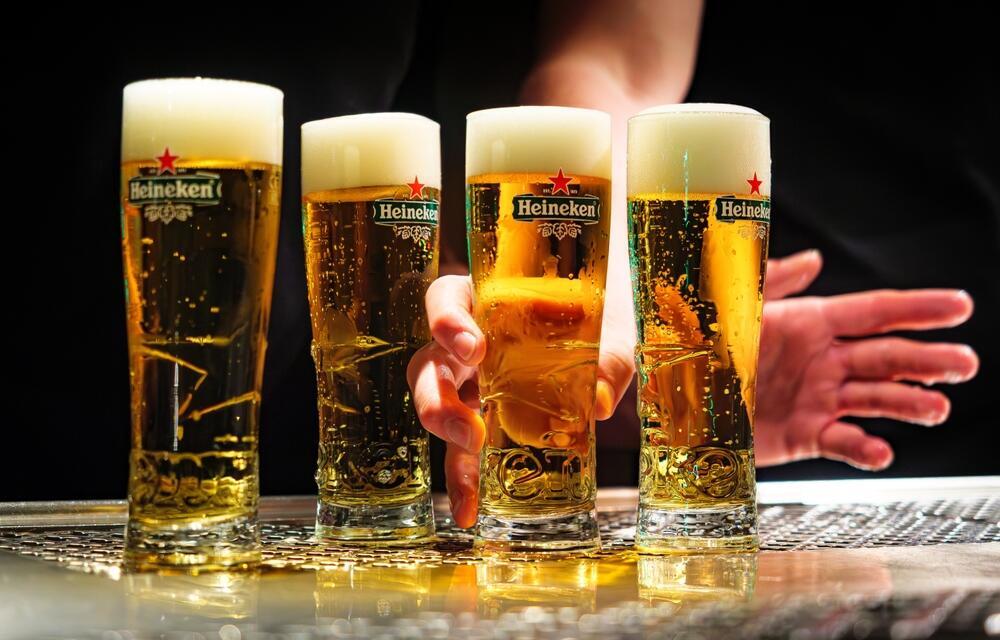
Heineken beer. Alcohol producers are preparing for a major shift in consumer habits
(Photo: Repina Valeriya / Shutterstock.com)
Heineken, the world's second-largest brewer after Anheuser-Busch InBev, which makes Budweiser, Stella Artois and Corona, told its hospitality industry customers that the drugs could reduce the desire to drink and that beer and cider sales were coming under pressure because of "satiety and fewer servings." The company also noted that it would become more difficult to sustain traditional drinking sessions in which customers order one glass after another.
In the previously unpublished presentation, sent to customers this month, Heineken recommended that establishments promote beer in smaller glasses of about 280 milliliters (9.5 fluid ounces), low-alcohol and alcohol-free drinks and smaller food portions to accompany beverages. Without such adjustments, the company warned, pubs and bars could see declines in customer visits and spending as use of the drugs becomes more widespread in Britain.
Less beer, more premium products
The alcohol industry has been grappling with declining sales in some major markets for years as consumers cut back on drinking for health and financial reasons.
Heineken told Reuters that the presentation was shared as part of its ongoing engagement with hospitality businesses in Britain to help them understand where the market is heading.
"We see some changes in consumption behaviour among (GLP-1) users and will continue to monitor how these behaviours evolve in 2027,," the company said.
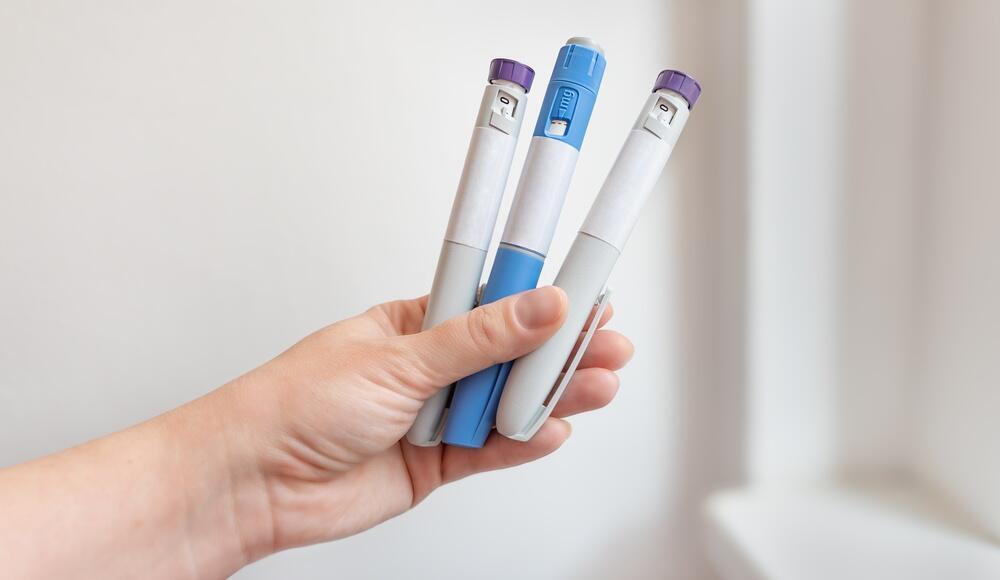
Weight-loss injections are bringing about major changes in consumer habits worldwide
(Photo: shutterstock)
According to Heineken, people taking the drugs are not giving up alcohol entirely but are increasingly choosing smaller servings, lower-alcohol drinks and premium products, in line with broader market trends. The company said its product portfolio is well positioned to meet those demands.
Europe is the Dutch brewer's largest market by revenue, but growth there has been slow. Britain, where Heineken owns more than 2,000 pubs, is considered a relative bright spot for the company.
According to a Heineken UK report, beer sales in British pubs, bars and restaurants reached nearly 14 billion pounds ($18 billion) in the year ending February 2026. Less than 300 million pounds of that total, or just 2%, came from low-alcohol and alcohol-free beers.
Purchasing data tell a different story
Beverage companies have so far tended to downplay the threat, but emerging data show that weight-loss injections are already affecting purchasing habits.
Market research firm Circana tracked a group of American households in which at least one person was taking the medications between 2024 and 2026, comparing their spending with that of households where no one was using the drugs. The research found that households with users reduced their spending on alcohol, both for drinking at home and when going out.
After two years of treatment, those households spent about 7% less per month on alcohol than households without people taking weight-loss medications. For beer, the gap reached approximately 13.5%.
Beer drinking in pubs. Could scenes like this become less common?
(Photo: Shutterstock.com)
Diageo, the leading spirits producer behind brands including Johnnie Walker, Smirnoff and Guinness, told investors that the industry would be able to manage the impact even if use of the medications expands.
Carlsberg told Reuters that the available data still do not establish a clear impact of the drugs on beer consumption trends, while Anheuser-Busch InBev declined to comment.
Surveys conducted in Europe and Britain by Circana, market research firm NIQ and British hospitality consultancy KAM also indicated that people taking the medications are drinking less.
The desire to drink simply disappears
Of 11 people taking weight-loss medications interviewed by Reuters, 10 said they had reduced their alcohol consumption, sometimes substantially. Some said alcohol made them feel uncomfortable or unwell, while others had simply lost the desire to drink.
Daniel Cornell, a British executive who founded a recruitment firm specializing in senior hospitality industry positions, said he previously drank regularly at work events and on weekends. Now, he said, alcohol makes him feel uncomfortable and leaves him with hangovers lasting several days.
Some people taking weight-loss medications have simply lost their desire to drink
(Photo: Shutterstock.com)
The way the medications act on the brain may also affect the motivation to drink, according to Professor Joseph Schacht of the University of Colorado Anschutz School of Medicine.
Schacht led a clinical trial examining the effects of the drugs on people with alcohol use disorder, the medical term for alcohol addiction. He said trials have repeatedly shown that the medications reduce both alcohol cravings and consumption among people with the disorder.
Schacht suggested that the drugs could bring about a "Prozac moment" in the treatment of alcohol addiction, potentially transforming treatment in much the same way that Prozac revolutionized the treatment of depression.
He added that if broader groups of drinkers begin cutting back on alcohol, the medications could pose a challenge for alcohol producers.