

I’ll start with a personal confession: I moved to Israel from Argentina several decades ago, and soccer is far from a minor interest for me. I don’t intend to miss a single match of the Argentine national team in the upcoming World Cup.
However, this year the tournament will be held in the United States, Canada and Mexico, meaning that for viewers in Israel many games will take place very late at night, sometimes even in the early hours of the morning. A single late night for a big game is not a medical problem for most healthy people—the body can handle occasional disruption. The problem arises when this disruption becomes a month-long routine, repeatedly forcing the biological clock to operate against its natural rhythm, while still getting up in the morning and functioning as if nothing happened.
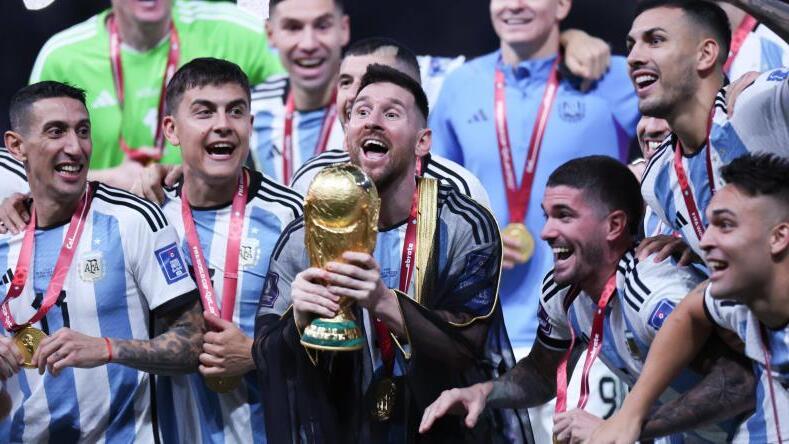
What happens to the body?
Sleep is not just rest. It is a structured biological system that regulates alertness, body temperature, hormones, appetite, mood, memory and decision-making. During the early hours of the night, the body is meant to be at peak melatonin secretion, with a natural drop in alertness and reaction time. When we stay awake in front of bright screens, eat, drink coffee and behave as if midnight were an ordinary evening, a conflicting biological signal is created. This is essentially a form of social jet lag: the body is at night, but behavior signals day. Recent research shows that even when people feel they are “functioning adequately,” the brain is already working less efficiently, particularly in decision-making, impulse control and sustained focus.
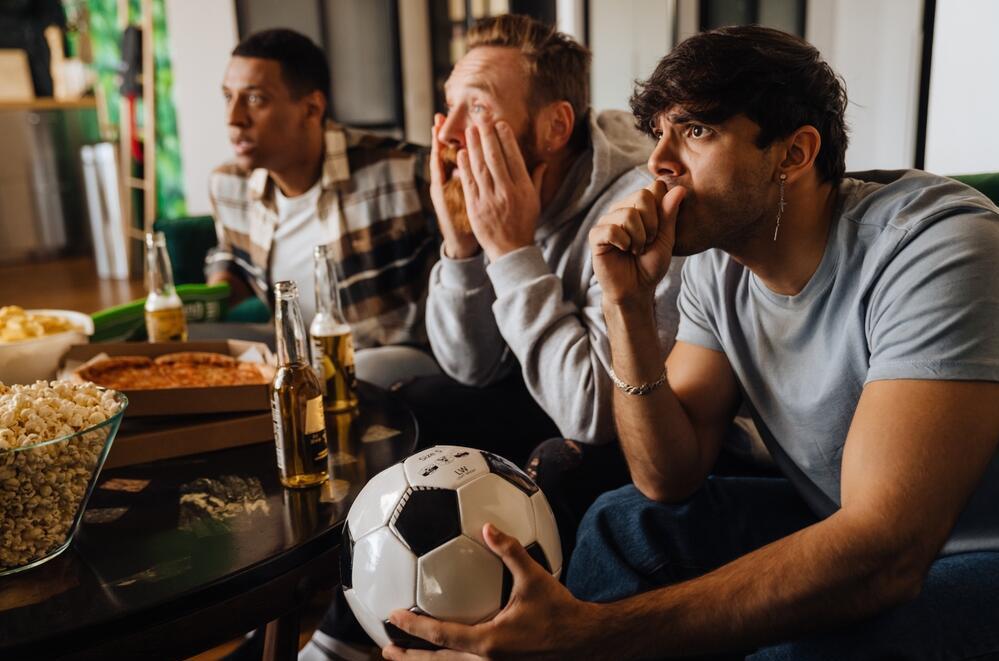
After a night like this you will be much more irritable
(Photo: Shutterstock)
One of the earliest signs is sleep inertia: that feeling of heaviness, fogginess and lack of sharpness after waking, especially from deep sleep. A person may get out of bed, get dressed, drive, or start work, but the brain has not yet returned to full function. Fatigue after a late-night game is therefore not just uncomfortable—it can impair reaction time, concentration, judgment and patience. For drivers, shift workers, parents of young children, and those making important decisions in the morning, this is a matter of performance and safety. Less well known is that sleep deprivation also increases impulsive behavior and emotional reactivity. After a few nights like this, people are not only more tired but can also become irritable, less patient and less thoughtful.
How to manage late-night games
The first rule is not to try to watch everything. Medically, there is a big difference between two or three important games in a week and a month of consecutive late-night viewing. It’s better to choose in advance the games that truly matter and skip viewing out of habit. True soccer fans should protect themselves in order to enjoy the tournament until the end. Studies in sleep medicine show that the sense of “I’ll get used to it” is usually misleading—the body rarely truly adapts to chronic sleep loss, it mainly learns to function in a state of constant fatigue.
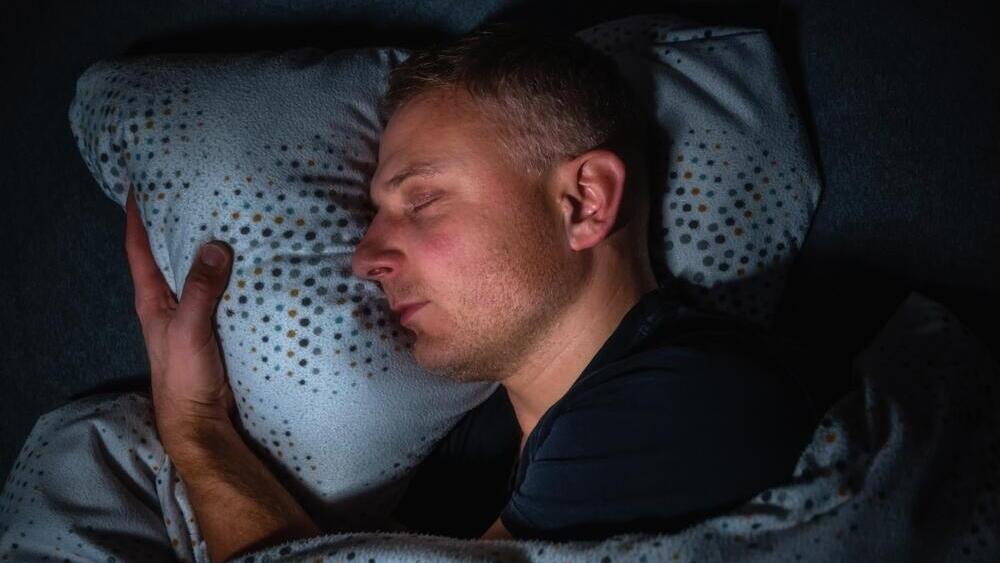
Don't improvise: Plan when you will sleep
(Photo: Shutterstock)
If you decide to watch, plan your sleep rather than improvise. If a game starts at 3 a.m., an early bedtime, waking for the game, and returning to sleep afterward is generally better than staying up all night. A short 20–30-minute nap the next day can boost alertness without entering deep sleep, which is harder to wake from. Too long a nap can interfere with falling asleep the next night and worsen the disruption. Avoid late evening naps—they are one of the fastest ways to push your biological clock further into the night.
Light also plays a central role. During viewing, reduce strong lighting and avoid additional screens. In the morning, do the opposite: go outside into daylight as early as possible. Morning light is one of the simplest and most effective ways to reset the biological clock. Even 15–20 minutes of natural light can be more effective than another cup of coffee. One of the most common mistakes is scrolling on a phone in bed after the game. The game may be over, but the brain continues receiving stimulation that delays sleep.

Coffee will help, but don't overdo it
(Photo: Shutterstock)
Caffeine can help but should be used cautiously. Coffee at the start of the night can boost alertness, but coffee late in the game may remain active in the body for hours and make the next sleep more difficult. Alcohol is not a solution either—it may create the perception of falling asleep faster but reduces sleep quality, increases awakenings and leaves deeper fatigue in the morning. Surprisingly, even people who feel they “sleep well after alcohol” show a marked decline in deep sleep in tests.
Food also matters. A heavy, fried or sweet meal in the middle of the night is not the same as one during the day. The body metabolizes sugar and fat differently at night, so it’s better to choose something light: yogurt, fruit, a small sandwich or nuts, and water instead of sugary drinks. The World Cup doesn’t need to turn every night into a feast. Less well-known is that sleep deprivation itself increases hunger and craving for high-sugar, high-fat foods. After a few short nights, people not only eat at worse times but are also more likely to choose unhealthy foods.
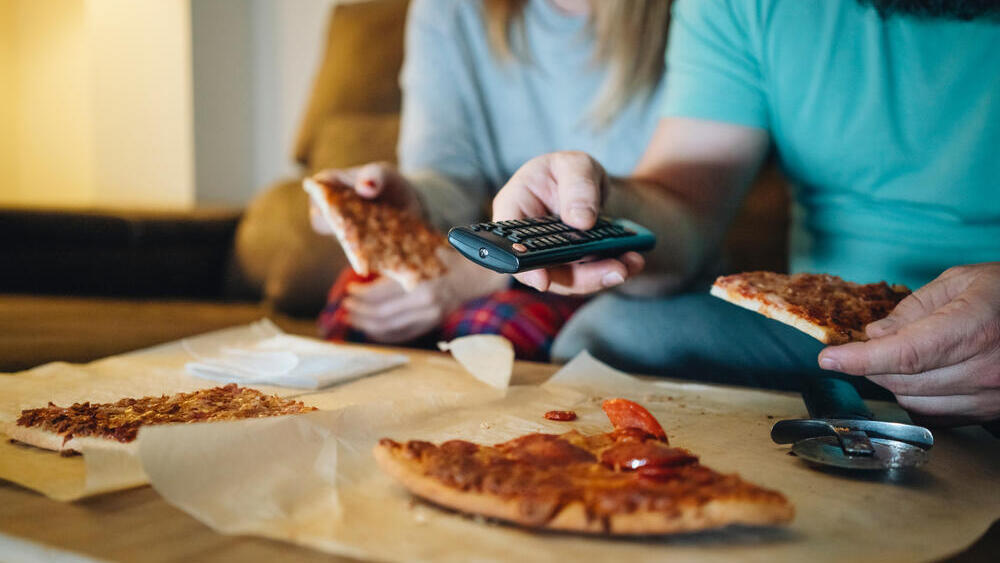
Avoid heavy, fried or sweet meals in the middle of the night
(Photo: Shutterstock)
Light to moderate physical activity during the day can help stabilize the biological clock, reduce stress, and improve sleep quality. Intense exercise near bedtime can have the opposite effect. People with high blood pressure, diabetes, heart disease, severe snoring or excessive sleepiness should pay extra attention to sleep and treat persistent fatigue as a warning sign. For them, a month of repeated sleep disruption can turn temporary fatigue into a real physiological burden.
The World Cup is a celebration, a moment of human connection, memories and excitement. There’s no need to miss it. But it’s important to understand that the body can forgive one late night, but it charges interest on chronic disruption. The simple recommendation is to watch the games that matter, enjoy them fully, but manage the month as you would any health stress: make deliberate choices, set boundaries, plan sleep, get morning light, limit late caffeine, limit alcohol and avoid heavy meals in the middle of the night.
- Dr. Manuel Katz is chief medical officer at Femi, president of the Goshen Center, and former president of the Israeli Pediatric Association
First published: 12:09, 06.11.26