

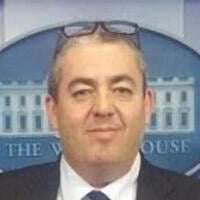
In a rare public rebuke of Iran’s leadership by a member of the country’s Jewish community, Dr. Homayoun Sameh, the Jewish representative in the Iranian parliament, openly criticized President Masoud Pezeshkian and warned of deepening public anger over the government’s handling of nationwide unrest.
“Unfortunately, the reality is that the entire nation is consumed by an atmosphere of anger,” Sameh told Iranian media this week after a violent crackdown by regime forces left thousands of protesters dead.
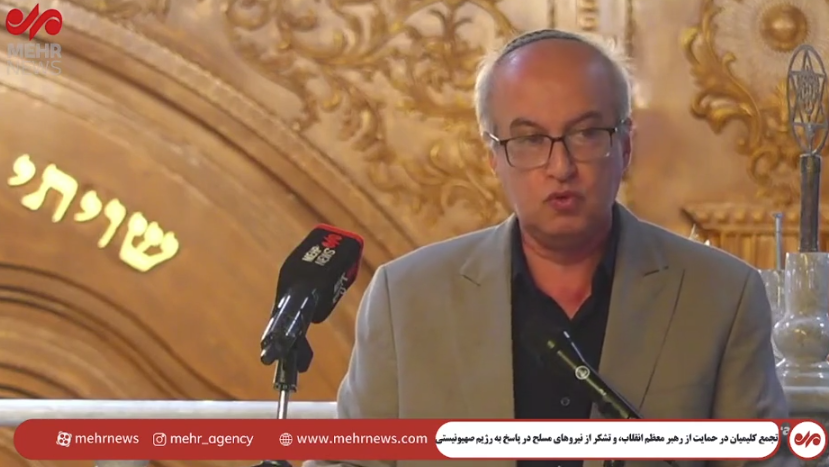
Sameh, who said he had supported and voted for Pezeshkian, placed direct blame on the president for the deteriorating situation. “Protest is a legal right of the people, but generating this level of anger leads to bad things in Iran,” he said. “I believed in President Pezeshkian. I voted for Mr. Pezeshkian, but the situation that has developed happened because of him.”
Addressing the reports of violent crackdowns by security forces, including attacks on hospitals and alleged executions of wounded protesters, Sameh stressed that medical facilities must remain off-limits. “Everyone needs to know that a hospital is a place to treat the sick, and no one has the right to attack it,” he said.
While he did not confirm the number of casualties, amid reports of thousands killed and ongoing executions, Sameh acknowledged the bloodshed. “I do not know the number, but unfortunately the subject of killing continues in Iran, and they are all the children of Iran and of this society,” he said. “What I am seeing on television right now is that the protesters are doing these things, but further investigations need to be conducted regarding the details of these issues.”
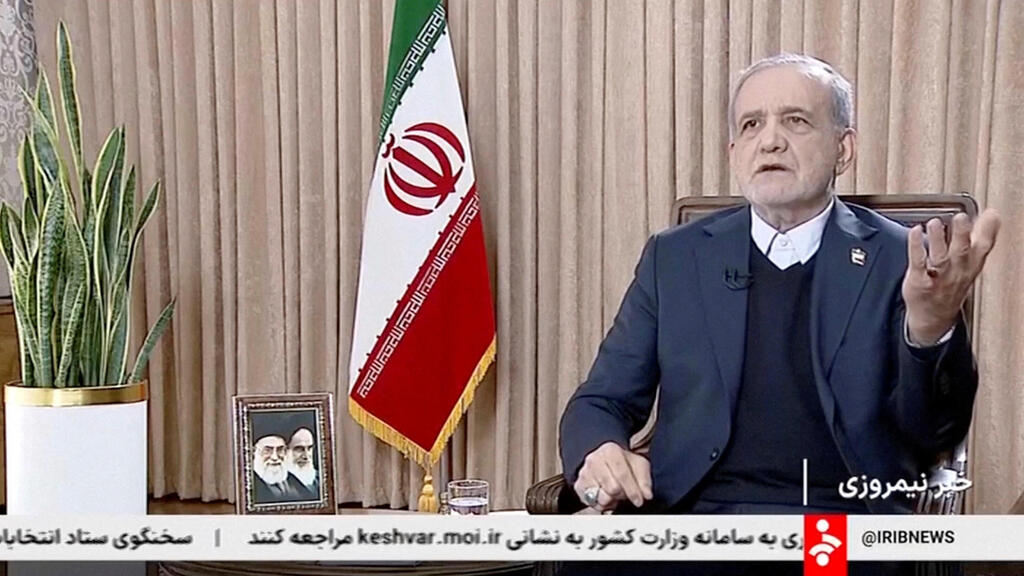
Iranian President Masoud Pezeshkian
(Photo: IRIB/via Reuters TV/Handout via Reuters)
He called on the government to honor its pledges to the public. “Mr. Pezeshkian said he would fix the situation, and the government and the president must now act according to their promises,” he said. “Economic pressure is mounting day by day, and this economic pressure angers the people.”
Sameh warned that the public’s outrage, if ignored, could spiral further. “When a child is angry at someone, we must support him so that his anger can disappear, not strike everyone,” he said. “The cycle of violence may be temporarily stopped in the short term, but unfortunately it will not be completely extinguished.”
Asked about the regime’s internet shutdowns, which have hindered media access and protest coordination, Sameh declined to comment directly, saying only, “You should ask the Supreme National Security Council about this issue.”