


For some, the decision to make aliyah has been years — even decades — in the making. For others, it marks the beginning of a life they have never known before.
At Ben Gurion Airport, a group of new immigrants arriving from the United Kingdom recently took their first steps into their new lives in Israel, greeted by officials from the Aliyah and Integration Ministry and the excitement of finally arriving in the country they had chosen to call home.
From new oleh to Israeli: The journey after aliyah
(Video: Daniel Campos)


Among those welcoming them was Revital Ackerman, a personal aliyah adviser with the ministry, whose work begins well before new olim step off the plane and continues long after they receive their Israeli documents.
But on arrival day, the stories of the olim themselves tell perhaps the clearest picture of what brings people to Israel.
For one family from London, aliyah had been a dream since the parents were teenagers.
They had thought about making the move for years, but waited until their family had grown before deciding to make the journey together. Now, standing in Israel as a family, they described the moment as something they had been waiting for for a very long time.
Gallery
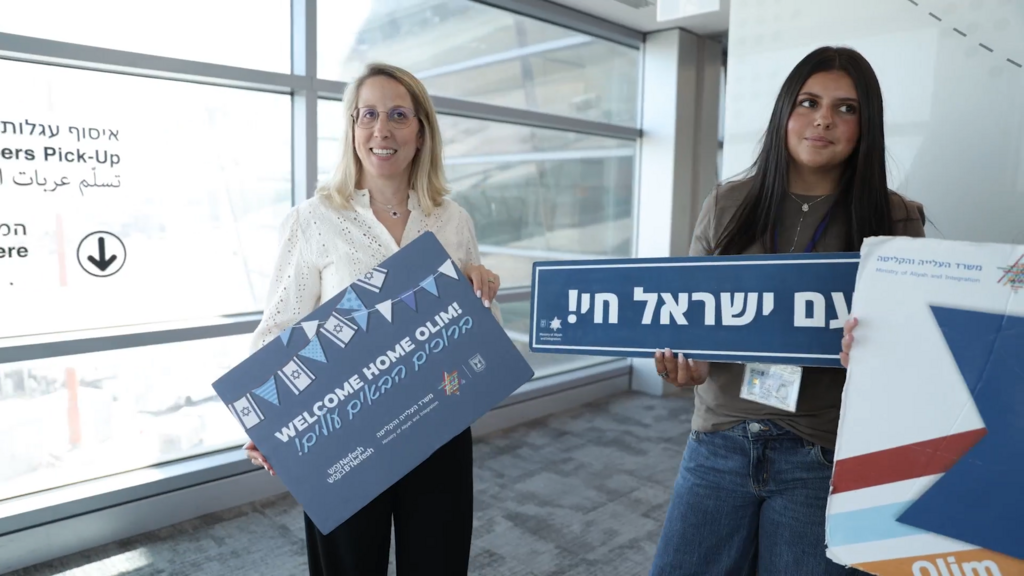
Revital Ackerman, a personal aliyah adviser with the Aliyah and Integration Ministry
(Photo: Screenshot)
For 27-year-old Luke, the decision meant leaving behind the only home he had ever known.
Having lived his entire life in London, he was arriving in Israel as a new oleh with excitement about what lay ahead. His goal was simple: to build the best life he could in his new country.
For another family arriving from Manchester, the journey represented the culmination of 25 years of thinking about aliyah.
With eight children, the decision was complicated. One child was in America, two were already living in Israel near the Gaza border and five remained in Manchester.
There were mixed emotions about leaving behind part of their family and the life they had built in Britain.
Still, they felt the time had come.
They had spoken about aliyah for decades, and when the family finally decided to make the move, their children told them they would follow. For the parents, the connection to the Land of Israel ultimately outweighed the difficulty of leaving their lives in Manchester behind.
Making aliyah — and then making a life
For Ackerman, these stories are only the beginning of the process.
As a personal aliyah adviser, she works with prospective olim from the time they begin considering a move and open an aliyah file. Her job is to help them navigate the practical questions that come with starting over: employment, housing, schools, health care, National Insurance and the many bureaucratic steps involved in establishing a new life.
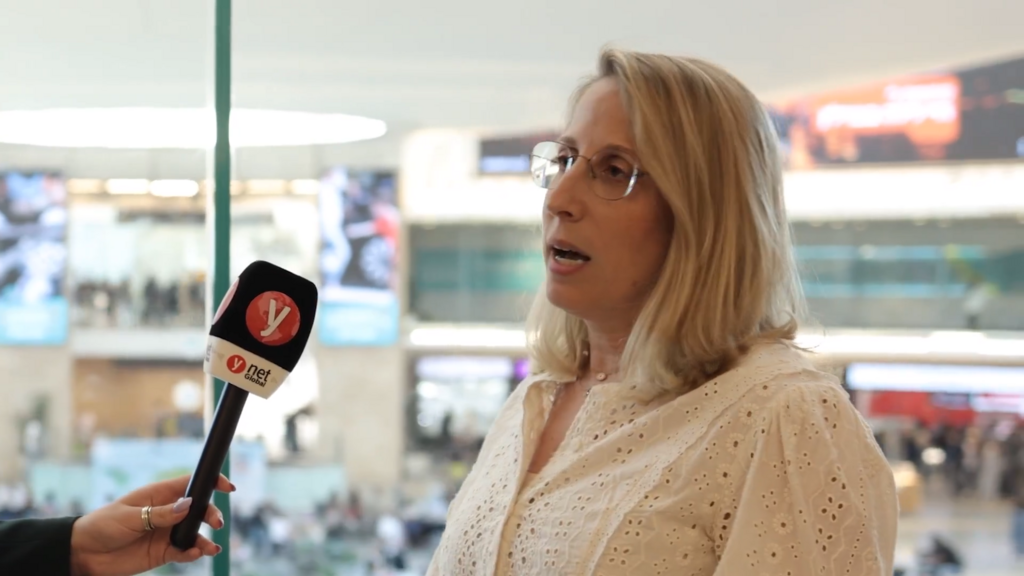
Revital Ackerman waits for new olim at Ben Gurion Airport
(Photo: Screenshot)
She knows firsthand what it means to rebuild a life after living abroad.
Ackerman, who was born and raised in Israel, returned to the country with her family in 2022 after 11 years in New York. She and her husband had maintained a strong connection to Israel while abroad and raised their children with that connection.
The decision to return became particularly relevant when their oldest daughter began thinking about military service. After years of discussing a possible return, they realized that if they intended to come back eventually, there was a reason not to wait.
Now, when she meets new olim, Ackerman sometimes recognizes elements of her own experience in theirs.
That perspective is particularly valuable because the arrival itself is only one moment in a much longer process.
"The act of aliyah is important," she says, "but eventually it's integration."
What does successful aliyah look like?
The answer, Ackerman says, is not simply receiving citizenship or completing the initial paperwork.
It is what happens afterward.
She has seen new immigrants discover jobs, finish ulpan and immediately enter the workforce. She has watched children settle successfully into Israeli schools and young adults enlist in the IDF or begin National Service.
One oleh even sent her a photograph wearing an IDF uniform.
Those messages are what Ackerman considers evidence of successful integration: people working, making friends, contributing and becoming part of Israeli society.
The ministry can help remove some of the obstacles along the way. If a new immigrant already has a job waiting in Israel, for example, advisers can sometimes help with licensing and other requirements so that the person can begin working almost immediately.

(Photo: Screenshot)
For olim who are navigating an unfamiliar system, the amount of assistance available can itself come as a surprise.
Ackerman says she sometimes hears new immigrants react with disbelief when they learn about the support available to them.
"Wow, that's so much support the government gives us," they tell her.
A changing generation of olim
Ackerman has also noticed a change in the profile of the people arriving.
There are more families, including those with young children and teenagers, as well as young adults making the decision to move to Israel. She has also seen increasing enthusiasm among young olim who want to serve in the IDF or take part in National Service.
Their motivations vary.
The London family had carried the dream for years. Luke was taking a leap into adulthood in a country that was new to him. The Manchester family was finally acting on a decision they had contemplated for a quarter-century.
But their stories share something important: aliyah is not simply about arriving somewhere else.
It is about deciding where to build a future.
For Ackerman, the ultimate goal is not merely to see more people make aliyah. It is to help them reach the point where Israel stops feeling like the place they moved to and starts feeling like home.
"It's simple to say we would like all olim to come here," she says. "But most important is that they know that Israel became their home."
For the new immigrants who walked through Ben Gurion Airport that day, that transformation had just begun.
First published: 15:46, 09.08.26